HeadPowder, a leading manufacturer based in Shandong, China, specializes in the design and production of advanced cotton fiber pneumatic conveying equipment. This article provides a detailed explanation of the working principles, key components, and operational mechanisms of such systems, highlighting their efficiency and reliability in handling cotton fibers.
Understanding the Core Principles of Pneumatic Conveying for Cotton Fibers
Pneumatic conveying systems utilize air or gas to transport bulk materials like cotton fibers through a pipeline network. The fundamental principle involves creating a pressure differential that propels the material from the source to the destination. For cotton fibers, which are lightweight and can be prone to static electricity, specialized equipment is essential to ensure smooth and efficient transport without damage or loss.
Key Components of Cotton Fiber Pneumatic Conveying Systems
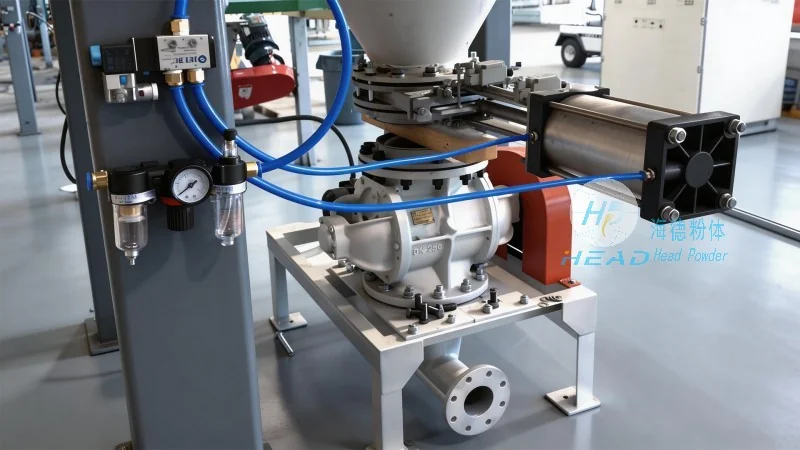
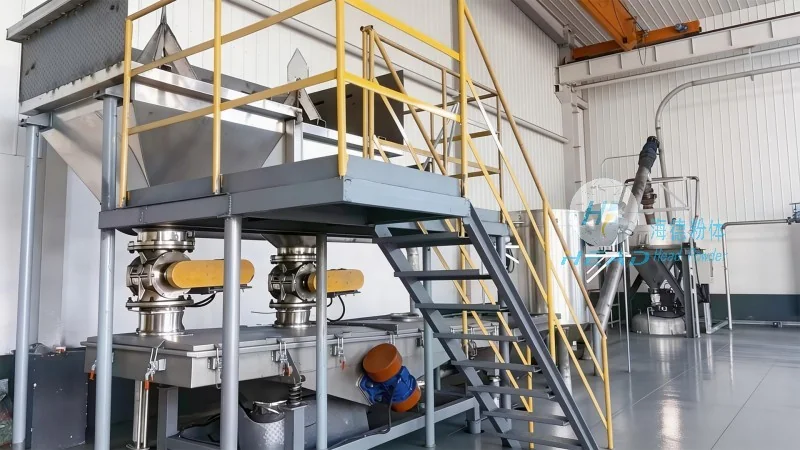
The typical cotton fiber pneumatic conveying system consists of several critical components, each playing a vital role in the overall operation. These include the material feed hopper, which holds the raw cotton fibers; the air supply system, such as a blower or compressor, that generates the necessary airflow; the conveying pipeline, which transports the fibers; and the discharge unit, where the material is released at the destination. Additionally, components like rotary valves, airlocks, and filters are integrated to regulate flow, prevent backflow, and maintain air quality.
Working Mechanism: How the Equipment Transports Cotton Fibers
The operation of a cotton fiber pneumatic conveying system begins with the material being fed into the hopper. The air supply system then introduces a high-velocity airflow into the pipeline, creating a pressure difference that lifts and propels the cotton fibers. As the fibers travel through the pipeline, they are suspended by the air stream, moving efficiently to the discharge point. The system may employ different conveying modes, such as dilute phase or dense phase, depending on the material characteristics and distance to be covered. Dilute phase conveying is commonly used for shorter distances and lighter materials, while dense phase is preferred for longer distances or when higher material density is required.
Advantages of Using Pneumatic Conveying for Cotton Fiber Handling
Employing pneumatic conveying equipment for cotton fiber handling offers numerous advantages over traditional methods like belt conveyors or manual handling. Firstly, it eliminates the need for physical contact with the material, reducing the risk of contamination and damage to the fibers. Secondly, the system provides a continuous and uniform flow, improving production efficiency and reducing downtime. Thirdly, it can handle a wide range of fiber types and sizes, making it versatile for various applications in the textile industry. Furthermore, the enclosed pipeline design minimizes dust emissions, enhancing workplace safety and environmental compliance.
Applications in the Textile Industry
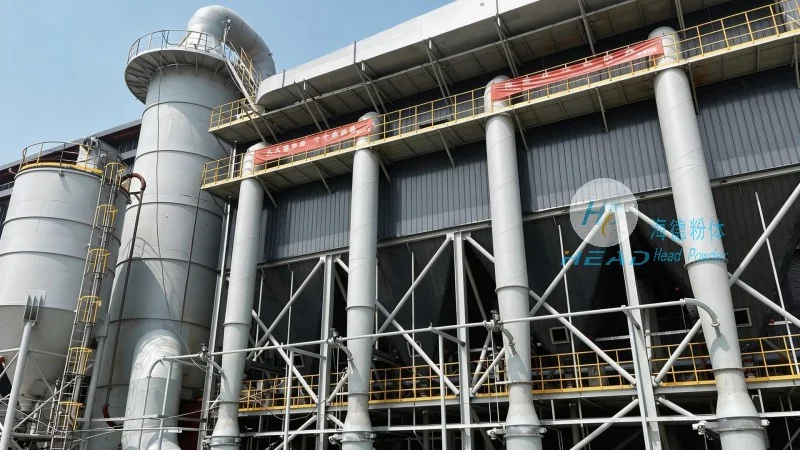
Cotton fiber pneumatic conveying systems are widely used in the textile industry for several key applications. In cotton processing plants, they are employed to transport raw cotton from storage silos to processing machines, such as carding and spinning equipment. The systems also facilitate the movement of processed fibers between different stages of production, ensuring a seamless workflow. Additionally, they are used in waste management and recycling processes, where cotton fibers are collected and transported for reprocessing or disposal. The efficiency and reliability of these systems contribute significantly to the overall productivity and quality of textile manufacturing operations.
Maintenance and Operational Considerations
To ensure optimal performance and longevity of cotton fiber pneumatic conveying equipment, regular maintenance is essential. This includes cleaning the pipeline and filters to prevent clogging, inspecting the air supply system for proper operation, and checking the feed and discharge mechanisms for wear and tear. Proper maintenance not only extends the equipment's lifespan but also minimizes operational disruptions and reduces repair costs. Additionally, operators should be trained on the safe and efficient use of the system, adhering to manufacturer guidelines and safety protocols to prevent accidents and ensure compliance with industry standards.




