Caustic soda, or sodium hydroxide (NaOH), is a fundamental chemical in numerous industrial applications, including chemical manufacturing, pulp and paper production, and water treatment. Handling this caustic and abrasive material requires specialized equipment to ensure safety, efficiency, and minimal material loss. Pneumatic conveying systems have emerged as a preferred method for transporting caustic soda due to their ability to handle the material in a closed, controlled environment. This article delves into the principles and components of caustic soda pneumatic conveying equipment, providing a comprehensive overview for industrial professionals.
Key Components of Pneumatic Conveying Systems for Caustic Soda
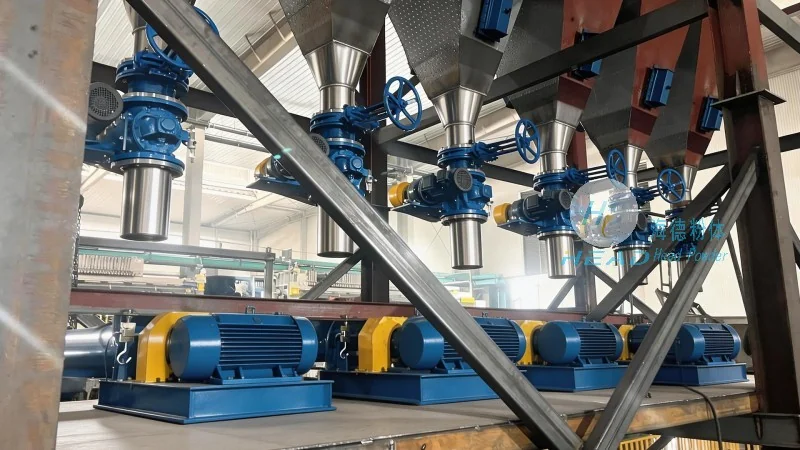
The effectiveness of a caustic soda pneumatic conveying system relies on its integrated components, each designed to perform a specific function. The primary components include the material hopper, rotary airlock valve, conveying pipeline, and material receiver. The hopper serves as the storage vessel, typically constructed from corrosion-resistant materials such as stainless steel or lined with protective coatings to prevent chemical degradation. The rotary valve, positioned at the bottom of the hopper, regulates the flow of caustic soda into the conveyor line, preventing backflow and ensuring a controlled discharge rate. The conveying pipeline, often made of stainless steel or other corrosion-resistant materials, is designed to withstand the chemical properties of caustic soda while maintaining structural integrity. The receiver, located at the destination point, collects the transported material and may include features like a discharge valve or a dust collection system to manage any residual particles. Each component works in tandem to ensure the smooth and safe operation of the system.
How Pneumatic Conveying Works for Caustic Soda
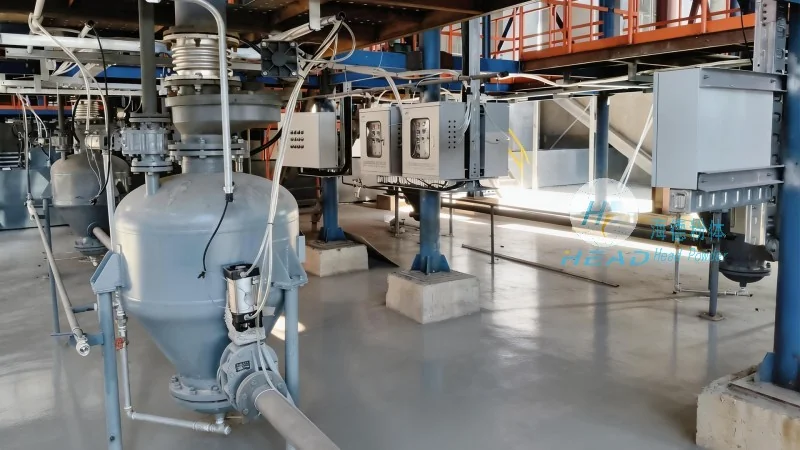
Pneumatic conveying operates on the principle of using compressed air to transport solid particles through a pipeline. For caustic soda, the process begins with the introduction of compressed air into the material hopper. As air enters the hopper, it creates a pressure differential, lifting the caustic soda particles and propelling them into the conveyor line. The velocity of the air and the design of the pipeline are critical factors that determine the conveying efficiency. The air flow must be sufficient to overcome the gravitational force of the material and maintain a consistent flow rate. The pipeline diameter and length also impact the system's performance, as longer distances or larger particle sizes may require higher air pressure or additional components like in-line mixers or pulse jets to prevent clogging. Proper air management ensures that the caustic soda is transported without degradation or loss of quality, maintaining its chemical properties throughout the process.
Advantages of Using Pneumatic Conveying for Caustic Soda Handling
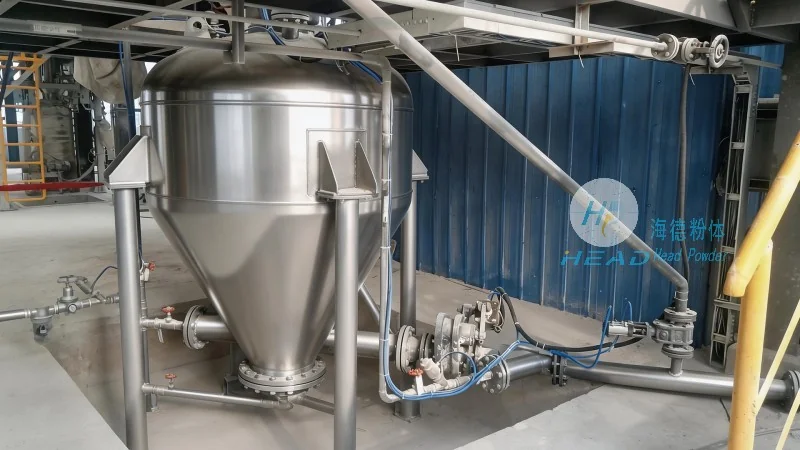
Compared to traditional bulk material handling methods, such as belt conveyors or bucket elevators, pneumatic conveying offers distinct advantages for caustic soda applications. One of the most significant benefits is the reduced risk of dust exposure, as the system operates in a closed environment, minimizing the release of fine particles into the air. This not only enhances workplace safety but also prevents environmental contamination. Additionally, pneumatic systems are more flexible, allowing for the transportation of caustic soda over long distances or between multiple processing points without the need for intermediate transfer stations. The enclosed nature of the system also reduces the risk of accidental spills or leaks, which can be hazardous when handling caustic soda. Furthermore, the ability to control the flow rate and pressure makes it easier to integrate with other industrial processes, improving overall operational efficiency. These advantages make pneumatic conveying a preferred choice for industries that require reliable and safe handling of caustic soda.
About Shandong HeadPowder Engineering Co., Ltd.
Shandong HeadPowder Engineering Co., Ltd., commonly known as headpowder, is a reputable manufacturer specializing in industrial conveying solutions. With a strong commitment to quality and innovation, the company has established itself as a leader in the design and production of pneumatic conveying equipment. HeadPowder's expertise lies in creating customized systems tailored to the specific needs of various industries, including chemical processing, where handling caustic soda is a common requirement. The company adheres to strict safety and quality standards, ensuring that its products meet or exceed industry regulations. HeadPowder's team of engineers and technicians work closely with clients to understand their operational requirements and develop solutions that enhance efficiency, safety, and cost-effectiveness. By leveraging advanced technology and materials, headpowder provides reliable and durable pneumatic conveying systems that contribute to the smooth operation of industrial processes.




