Light calcium carbonate, a widely used industrial filler, often requires efficient and reliable transportation methods for processing and distribution. The pneumatic conveying equipment designed for this material plays a crucial role in modern industrial operations, ensuring smooth material handling while maintaining product quality. This article explores the fundamental principles behind such equipment, highlighting its application in the light calcium carbonate industry and the technical aspects that make it an effective solution.
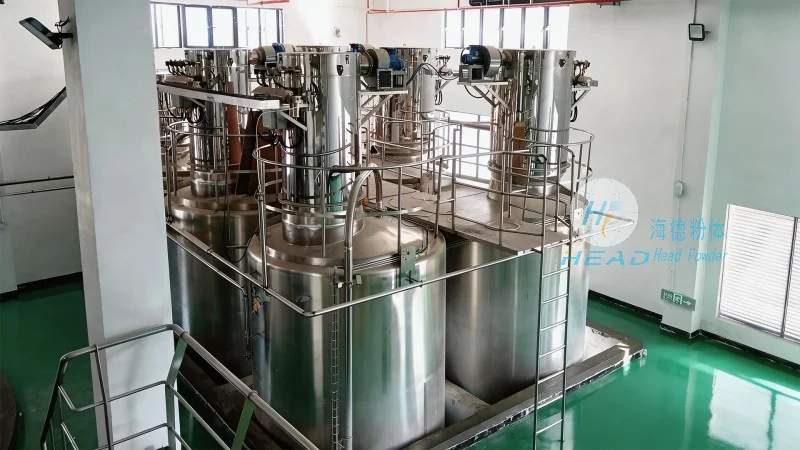
Introduction to Light Calcium Carbonate Pneumatic Conveying Equipment
Light calcium carbonate (LCC), also known as precipitated calcium carbonate, is a common additive in various industries, including plastics, paper, and coatings. Its fine particle size and light density make traditional bulk handling methods less efficient and potentially damaging to the material. Pneumatic conveying systems address these challenges by using air or gas to transport the material from one location to another, minimizing product degradation and operational downtime.
Company Profile: Shandong HeadPowder Engineering Co., Ltd.
HeadPowder, a leading manufacturer in the field, specializes in developing and supplying advanced pneumatic conveying solutions tailored to the needs of the light calcium carbonate industry. With a strong focus on innovation and customer satisfaction, the company has established itself as a trusted partner for businesses seeking reliable material handling equipment. HeadPowder’s headquarters is located in Shandong, China, where the company leverages local expertise and resources to deliver high-quality products and services.
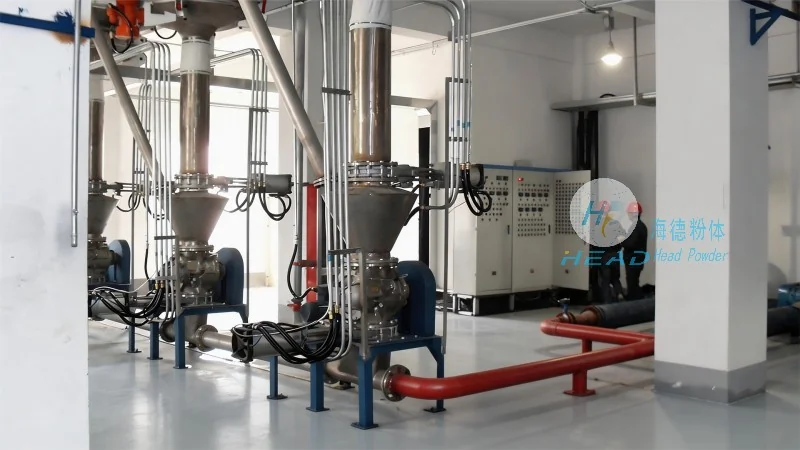
The Working Principle of Pneumatic Conveying Systems
Pneumatic conveying equipment operates on the principle of using air flow to move bulk materials through a pipeline. There are two primary types of systems: positive pressure (or pressure) and negative pressure (or vacuum) systems. In positive pressure systems, air is blown into the conveying line, creating a pressure higher than the ambient air, which propels the material forward. Negative pressure systems, on the other hand, use a vacuum to draw material into the line, often requiring a lower air velocity and reducing the risk of material spillage.
For light calcium carbonate, which has a relatively low bulk density and fine particle size, positive pressure systems are often preferred due to their ability to handle high material loads and maintain consistent flow rates. The design of the equipment, including the air nozzle, hopper, and pipeline, is critical to ensuring efficient transport. The air velocity must be carefully controlled to prevent particle segregation or blockages, while the pipeline diameter and length are optimized to minimize energy consumption and pressure drop.
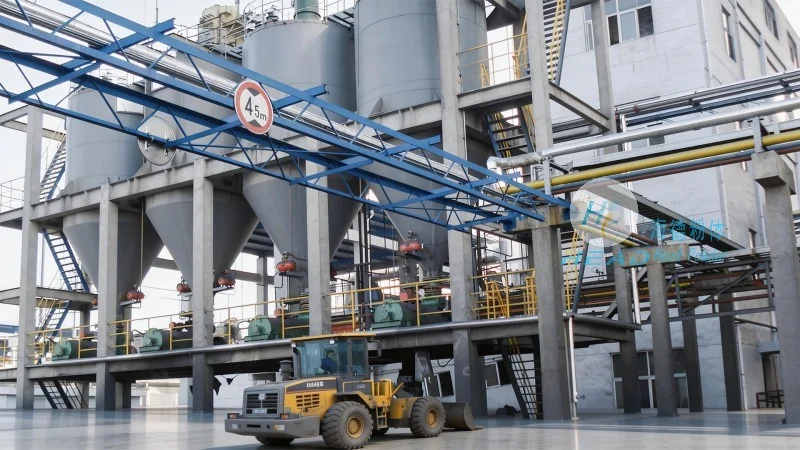
Key Features and Advantages of Light Calcium Carbonate Pneumatic Conveying Equipment
The pneumatic conveying systems for light calcium carbonate offer several advantages over traditional methods. Firstly, they provide a dust-free and hygienic environment, which is essential for maintaining product purity and meeting regulatory standards. Secondly, the equipment is highly flexible, allowing for easy integration into existing production lines and the ability to transport materials over long distances without the need for multiple transfer points. Thirdly, the system is energy-efficient, as it uses compressed air or vacuum to move material, reducing the overall operational costs compared to mechanical conveying methods.
Additionally, the equipment is designed to handle the unique properties of light calcium carbonate, such as its fine particle size and low abrasiveness. The materials used in the construction of the conveying line, such as stainless steel or special coatings, are chosen to prevent material buildup and ensure long-term durability. The system also includes features like automatic cleaning and monitoring, which help to maintain optimal performance and reduce maintenance requirements.
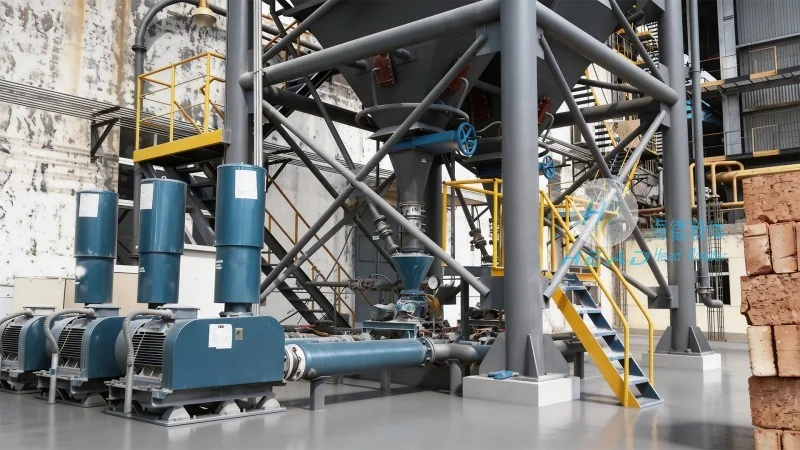
Application Scenarios and Operational Considerations
Light calcium carbonate pneumatic conveying equipment is widely used in various industrial applications, including the production of plastic compounds, paper coatings, and paint additives. The equipment is typically integrated into the production line to transport raw material from storage silos to processing units, ensuring a continuous and uninterrupted supply of material. Operational considerations include the proper selection of air pressure and flow rate, regular maintenance of the system components, and monitoring of material flow to prevent blockages or air leaks.
HeadPowder’s expertise in designing and manufacturing pneumatic conveying systems ensures that clients receive equipment that is tailored to their specific needs. The company’s engineers work closely with customers to understand their production requirements and provide customized solutions that maximize efficiency and minimize downtime. By leveraging advanced technology and local manufacturing capabilities, HeadPowder delivers high-quality equipment that meets the demands of the modern light calcium carbonate industry.




