Flake graphite powder, a critical material in numerous industrial sectors, demands efficient and reliable handling solutions. Pneumatic conveying equipment engineered for this purpose operates on the principle of transporting bulk materials through a pressurized or vacuum system using air or other gases. This method offers substantial advantages over traditional mechanical conveying systems, particularly in terms of flexibility, cost-effectiveness, and reduced maintenance requirements.
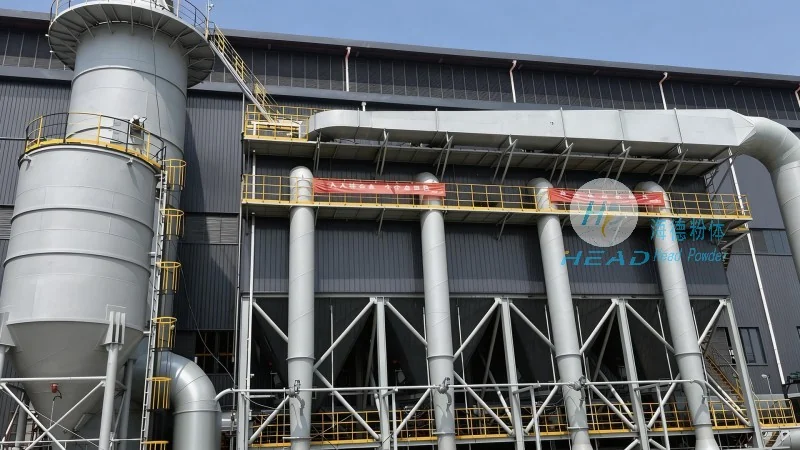
Working Principle of Pneumatic Conveying Equipment
The core mechanism of pneumatic conveying for flake graphite powder involves creating a flow of air or gas that moves powder particles through a pipeline. Two primary types of systems exist: dilute-phase and dense-phase. Dilute-phase systems utilize higher air velocities to suspend powder particles, while dense-phase systems employ lower velocities to form a plug flow, which is often more suitable for delicate materials like flake graphite. The equipment typically includes a hopper for material storage, a feeder to control flow rate, a conveying line, and a receiver to deposit material at the destination. Components such as filters, cyclones, and pressure vessels ensure efficient separation and collection of the powder.
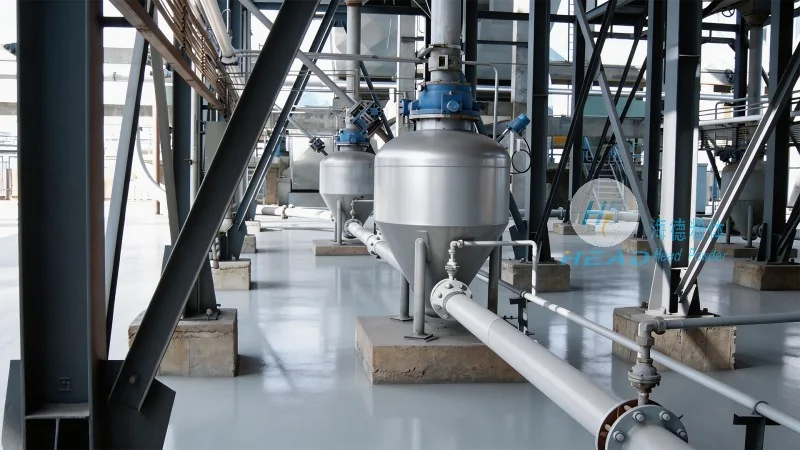
Key Components and Their Functions
Several critical components constitute a pneumatic conveying system for flake graphite powder. The hopper serves as the storage vessel, providing consistent feed to the feeder. The feeder, often a rotary valve or screw feeder, regulates material flow into the conveying line. The conveying line, typically made of stainless steel or corrosion-resistant materials, prevents contamination and ensures durability. The receiver collects conveyed powder and may include a dust collection system to maintain air quality. Additionally, the system features pressure regulators, vacuum pumps, or blowers to control air flow and maintain required pressure or vacuum levels. These components work in tandem to ensure smooth and efficient material transport.
Advantages of Pneumatic Conveying for Flake Graphite Powder
Implementing pneumatic conveying equipment for flake graphite powder offers numerous benefits. Firstly, it eliminates mechanical components like belts or chains, reducing wear and maintenance costs. Secondly, the system is highly flexible, allowing adjustments to flow rates and destination points without major modifications. Thirdly, it provides a clean, dust-free environment, crucial for maintaining powder purity—essential in applications like battery manufacturing. Fourthly, it handles long distances and multiple transfer points, suitable for large-scale industrial operations. Lastly, the system is energy-efficient compared to traditional methods, contributing to lower operational costs.
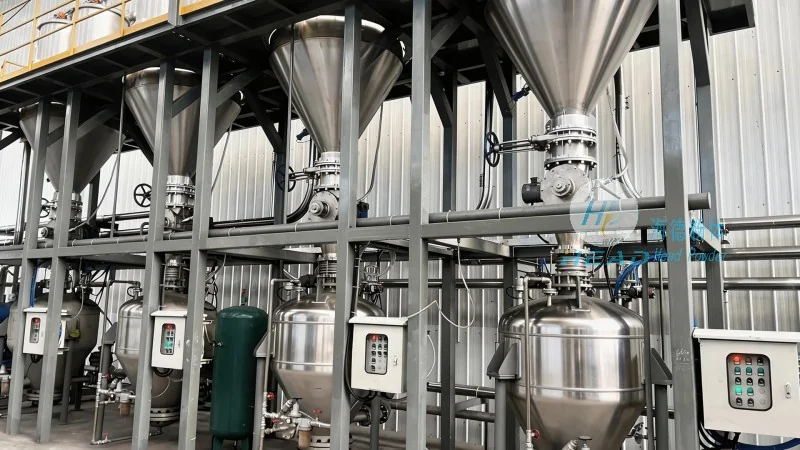
Applications and Industries
Flake graphite powder, due to its unique properties, is used across diverse industries. Pneumatic conveying equipment is particularly valuable in these sectors. In the battery industry, flake graphite is an anode material in lithium-ion batteries, requiring precise handling to preserve purity. In the refractory industry, it serves as a raw material for high-temperature applications, where consistent quality is vital. The aerospace and automotive industries also utilize flake graphite in components needing high thermal conductivity and electrical resistance. The construction industry uses it in materials that withstand extreme temperatures. Efficient transport via pneumatic conveying ensures these industries receive material in optimal condition, supporting production processes.




