Efficient and reliable peanut kernel conveying is a critical aspect of the processing industry, ensuring smooth material handling from storage to processing stages. Various methods are employed to transport peanut kernels, each with distinct advantages and applications depending on the production scale, material characteristics, and operational environment.
Common Conveying Methods for Peanut Kernels
Several conventional and modern techniques are widely used in the industry to move peanut kernels. The most common methods include belt conveyors, screw conveyors, pneumatic conveyors, and bucket elevators. Each method operates on different principles, making them suitable for specific scenarios.
Belt conveyors, for instance, are ideal for long-distance horizontal or slight incline transport. They consist of a continuous belt looped over pulleys, with peanut kernels placed on the belt and moved by motor-driven rollers. This method is particularly effective in large-scale processing plants where high throughput is required. The design allows for easy integration with other processing equipment, such as cleaning and sorting machines, facilitating a seamless workflow.
Screw conveyors, also known as auger conveyors, use a rotating helical screw to push peanut kernels forward. This method is suitable for vertical or inclined transport and is often used in smaller facilities or for handling bulk materials with moderate moisture content. The screw mechanism ensures consistent material movement, reducing the risk of clogging compared to other systems. However, it may not be as efficient for high-volume operations due to its lower capacity compared to belt conveyors.
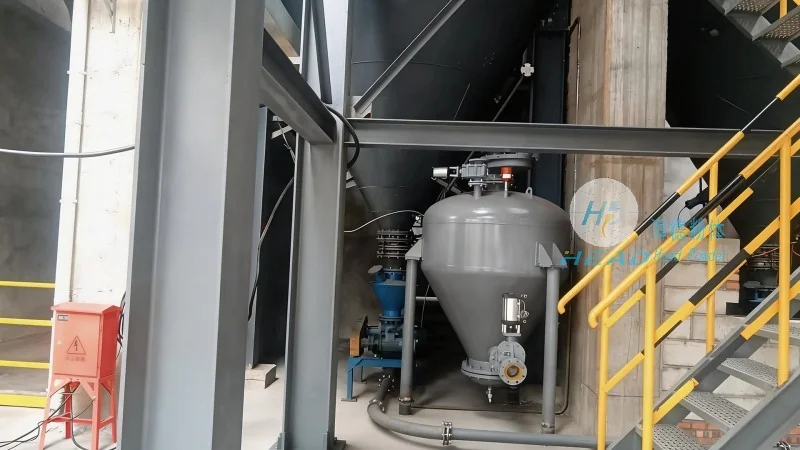
Pneumatic conveyors, or air-based systems, utilize compressed air to transport peanut kernels through a network of pipes. This method is highly effective for short to medium distances and is particularly useful when the material needs to be transported in a closed system, minimizing dust and contamination. Pneumatic conveyors are often employed in food processing applications where hygiene and product purity are paramount. The system can be designed as a positive or negative pressure system, depending on the specific requirements of the operation.
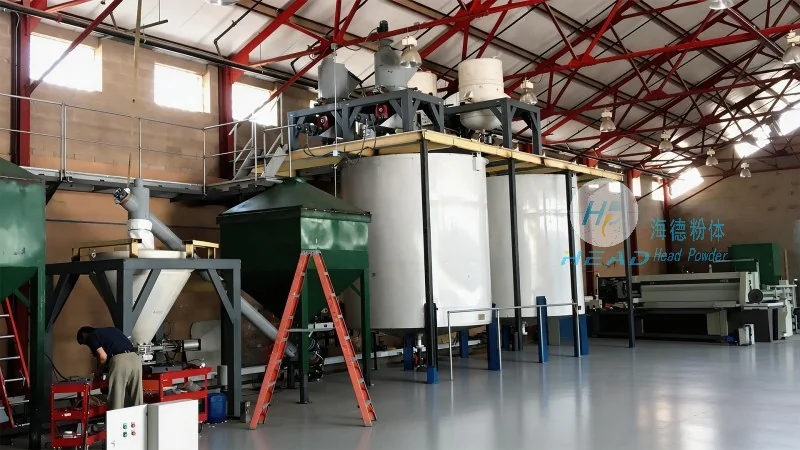
Bucket elevators are another common choice for vertical transport of peanut kernels. These systems use a series of buckets attached to a chain or belt, which moves vertically to lift and transport the material. Bucket elevators are capable of handling large volumes of material at high speeds and are particularly suitable for applications requiring vertical movement, such as moving from a lower storage bin to an upper processing line. The design ensures minimal material spillage and efficient use of vertical space, making it a popular option in many processing facilities.
Factors Influencing the Choice of Conveying Equipment
The selection of the most appropriate conveying method for peanut kernels depends on several key factors. These include the production capacity, the physical characteristics of the peanut kernels (such as size, shape, and moisture content), the distance and elevation changes required for transport, and the overall budget and space constraints of the facility. For example, a small-scale operation with limited space might opt for a screw conveyor or a compact pneumatic system, while a large-scale industrial plant would likely choose a combination of belt conveyors and bucket elevators to meet high throughput demands.
Material characteristics play a significant role in determining the most suitable equipment. Peanut kernels are relatively light and can be prone to dust generation, which may affect the choice of conveyor type. For instance, if dust control is a priority, a closed system like a pneumatic conveyor or a sealed belt conveyor might be preferred over an open belt system. Additionally, the moisture content of the kernels can impact the risk of clogging in screw conveyors or the wear on components in belt conveyors, necessitating careful consideration of the material's properties.
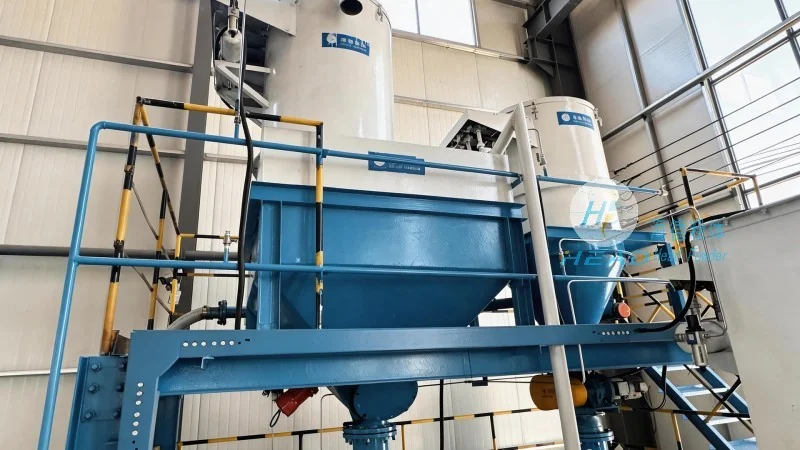
Operational requirements, such as the need for continuous or intermittent transport, also influence the equipment selection. Some processes require constant material flow, which may necessitate the use of multiple conveyors or a more robust system like a belt conveyor with high capacity. Conversely, intermittent transport might be handled by a smaller screw conveyor or a manual feeding system, depending on the production schedule and volume.
Company Profile: Shandong HeadPowder Engineering Co., Ltd.
Shandong HeadPowder Engineering Co., Ltd., commonly known as HeadPowder, is a leading manufacturer specializing in conveying and processing equipment for the food industry. With its headquarters in Shandong, China, the company has established itself as a trusted partner for businesses seeking efficient and reliable solutions for material handling. HeadPowder's expertise lies in designing and manufacturing customized conveying systems tailored to the specific needs of clients, ensuring optimal performance and durability.
The company's product line includes a wide range of equipment suitable for various applications, from small-scale food processing to large industrial operations. Their belt conveyors, screw conveyors, and pneumatic systems are engineered to meet the highest standards of quality and safety, adhering to industry regulations and best practices. HeadPowder's commitment to innovation and customer satisfaction has enabled them to serve a diverse clientele, including manufacturers of nuts, seeds, and other food products.
By leveraging advanced technology and rigorous quality control measures, HeadPowder ensures that its conveying equipment is durable, efficient, and easy to maintain. The company provides comprehensive support, including installation, training, and after-sales service, to help clients maximize the performance of their systems. With a focus on customer needs and industry standards, HeadPowder continues to be a key player in the global conveying equipment market, providing reliable solutions for the efficient transport of peanut kernels and other food materials.




