HeadPowder, a leading engineering firm based in Shandong, China, specializes in the design and implementation of advanced gas-solid pneumatic conveying systems for sintering dust management. This article provides a comprehensive analysis of such systems, focusing on their technical aspects, operational benefits, and practical applications.
Understanding Sintering Dust and Its Handling Challenges
Sintering dust, a byproduct of the sintering process in steel and metallurgical industries, poses significant challenges for efficient material handling. Traditional methods like bucket elevators or belt conveyors often struggle with dust accumulation, material degradation, and operational inefficiencies. Gas-solid pneumatic conveying offers a solution by transporting the dust using a stream of air or other gas, enabling a more controlled and hygienic process.
Core Components of a Gas-Solid Pneumatic Conveying System
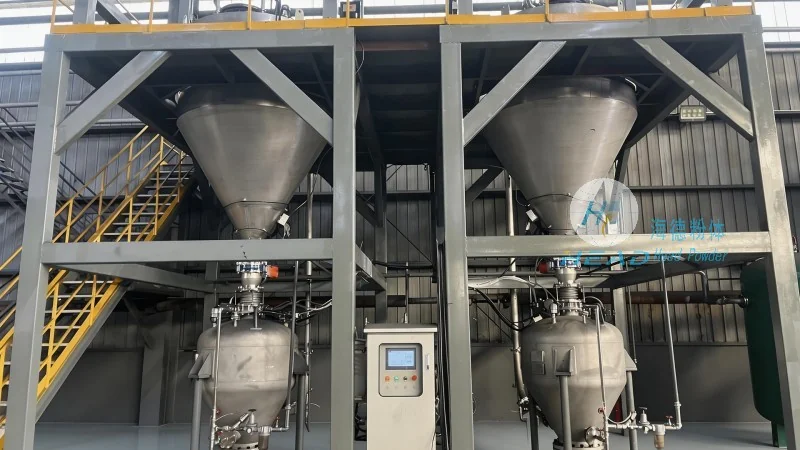
A typical system consists of several key components that work in tandem to ensure reliable operation. The primary elements include a dust collection hopper, a conveying line (often equipped with pressure or vacuum pumps), a filter system to separate dust from the conveying medium, and a discharge unit for the final material. Each component is designed to handle the specific characteristics of sintering dust, such as its fine particle size and potential moisture content.
How the System Operates: A Step-by-Step Overview
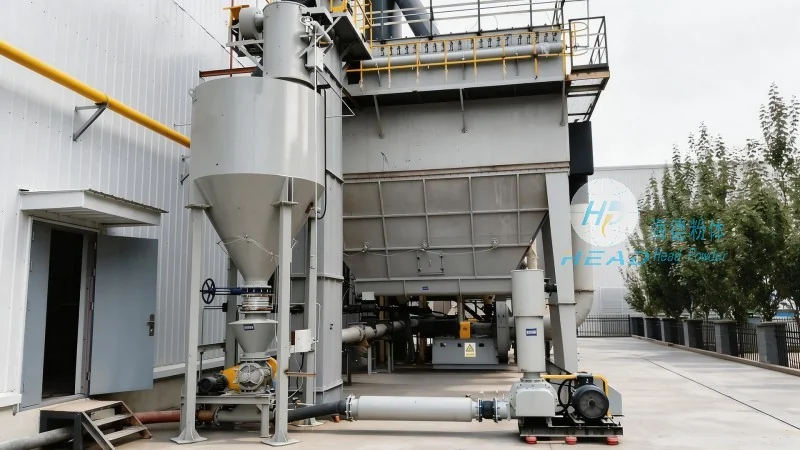
The operation of a gas-solid pneumatic conveying system for sintering dust involves several stages. First, the dust is collected from the sintering plant and stored in a hopper. The system then uses a blower or vacuum pump to generate the necessary pressure or vacuum to move the dust through the conveying line. As the dust travels, it is suspended in the air stream and transported to the destination, such as a storage silo or processing unit. The filter system at the end of the line captures any remaining dust particles, ensuring that the conveying medium is clean and can be recycled or safely discharged.
Advantages of Using Pneumatic Conveying for Sintering Dust
Compared to traditional mechanical conveying methods, gas-solid pneumatic conveying offers several advantages. It minimizes material degradation by avoiding physical contact, which is crucial for sintering dust that may be sensitive to abrasion. The system also reduces labor costs and maintenance requirements, as there are fewer moving parts and less risk of clogging. Additionally, it provides better control over dust dispersion, improving workplace safety and environmental compliance. For companies in the metallurgical sector, these benefits translate into enhanced operational efficiency and reduced environmental impact.
Customization and Scalability: Tailoring Systems to Specific Needs
HeadPowder recognizes that each sintering plant has unique requirements. Therefore, their pneumatic conveying systems are highly customizable. Engineers at the company work closely with clients to assess the specific characteristics of the dust, the distance to be covered, and the desired discharge location. This allows for the design of systems that are optimized for maximum efficiency and minimal energy consumption. Whether a small-scale operation or a large industrial plant, the systems can be scaled to meet the exact needs of the client.
Case Studies and Real-World Applications
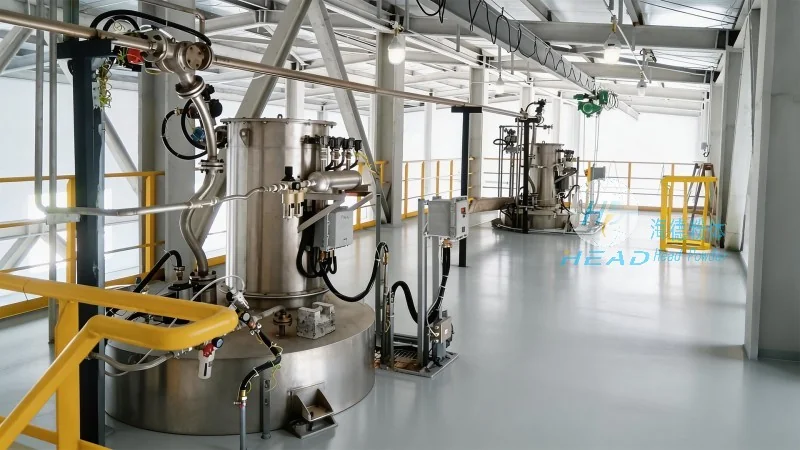
HeadPowder has successfully implemented numerous gas-solid pneumatic conveying systems for sintering dust across China. For instance, a major steel manufacturer in Shandong reduced dust handling costs by 30% after installing a customized system from HeadPowder. The system not only improved material flow but also enhanced the plant's environmental performance by capturing and reusing a significant portion of the dust. Another client, a metallurgical plant in the north, reported improved product quality due to the reduced contamination from dust particles. These case studies highlight the effectiveness and reliability of HeadPowder's solutions in real-world industrial settings.
Conclusion: The Future of Sintering Dust Management
Gas-solid pneumatic conveying systems represent a sophisticated and efficient solution for managing sintering dust in modern metallurgical operations. By leveraging advanced engineering and tailored designs, companies like HeadPowder are helping industries achieve better operational performance, lower costs, and improved environmental outcomes. As the demand for sustainable and efficient material handling grows, such systems will continue to play a crucial role in the future of the industry.




