

What is Expanded Clay Aggregate Pneumatic Conveying Equipment? And What Are Its Design Principles?
Expanded clay aggregate, commonly known as expanded clay, is a lightweight, porous material widely used in construction, horticulture, and industrial applications. The efficient and reliable transport of this material from one location to another is crucial for optimizing production processes. Pneumatic conveying equipment has emerged as a preferred solution for handling expanded clay aggregate due to its ability to transport materials in a dust-free environment, reducing operational costs and improving safety. This article explores the concept of expanded clay aggregate pneumatic conveying equipment and delves into its fundamental design principles.
About Shandong HeadPowder Engineering Co., Ltd.
Shandong HeadPowder Engineering Co., Ltd., often referred to as HeadPowder, is a leading manufacturer and supplier of specialized engineering solutions for material handling and processing. With a strong commitment to innovation and quality, HeadPowder has established itself as a trusted partner in the industry, providing tailored solutions that meet the unique needs of clients. The company's headquarters is located in Shandong, China, where it operates a state-of-the-art manufacturing facility equipped with advanced technology and skilled personnel. HeadPowder's expertise lies in designing and manufacturing high-performance pneumatic conveying systems, including those specifically engineered for expanded clay aggregate applications.
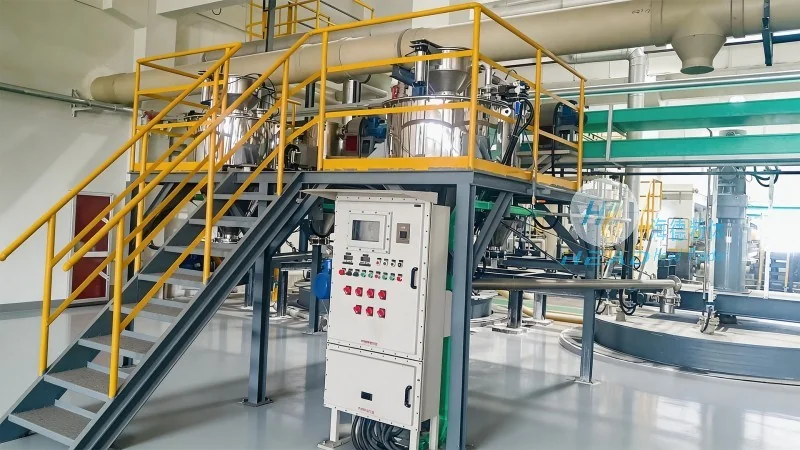
Pneumatic Conveying Equipment for Expanded Clay Aggregate
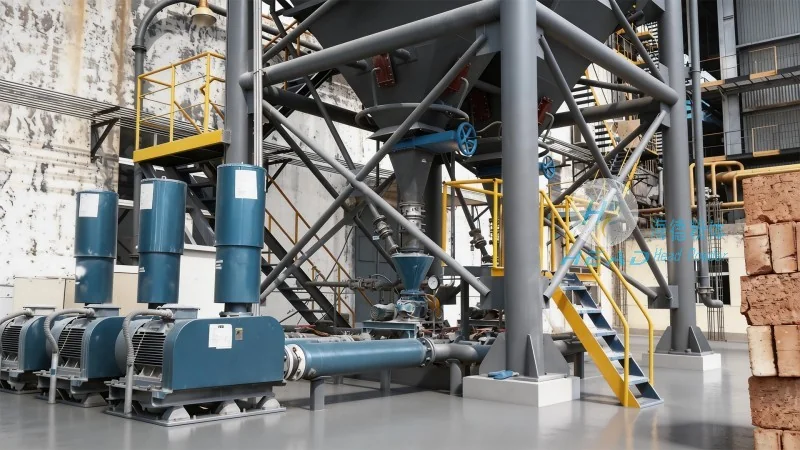
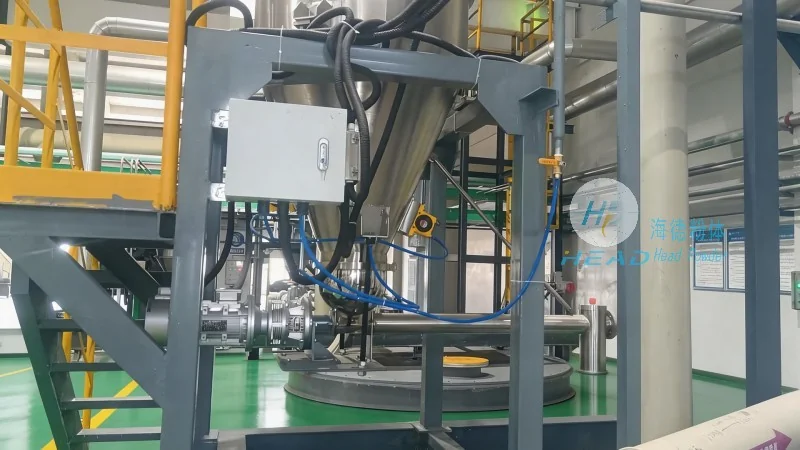
Pneumatic conveying equipment is a type of material handling system that uses compressed air or other gases to transport bulk materials through a pipeline. In the case of expanded clay aggregate, this technology is particularly effective due to the material's low density and relatively fine particle size. The equipment typically consists of a hopper, a feeder, a conveying line, and a receiver. The hopper stores the expanded clay aggregate, while the feeder controls the flow rate of the material into the conveying line. Compressed air is then introduced into the line, creating a pressure differential that propels the material forward. The receiver collects the material at the destination point. This process eliminates the need for mechanical components such as belts or buckets, reducing maintenance requirements and minimizing the risk of material contamination.
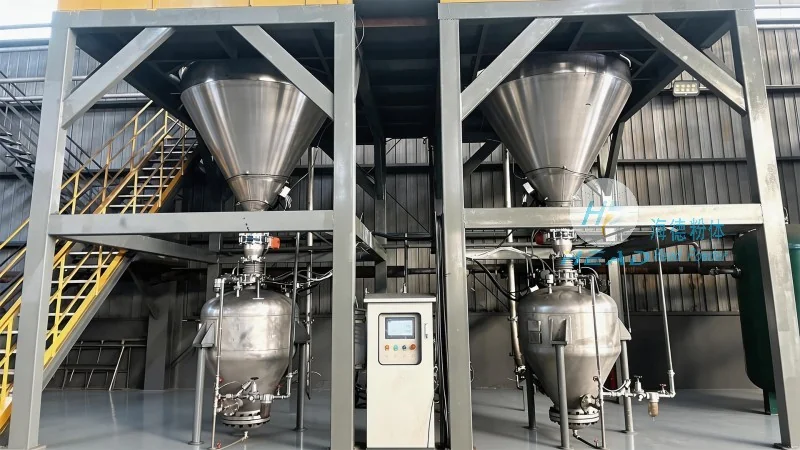
Design Principles of Expanded Clay Aggregate Pneumatic Conveying Equipment
The design of pneumatic conveying equipment for expanded clay aggregate is based on several key principles to ensure optimal performance and efficiency. First, the equipment must be capable of handling the specific physical properties of expanded clay, including its low bulk density, high porosity, and potential for dust generation. The system must be designed to maintain a consistent flow rate, which is critical for preventing blockages and ensuring smooth operation. Second, the conveying line must be constructed from materials that are resistant to corrosion and abrasion, as expanded clay can be abrasive and may contain moisture that could cause corrosion over time. Third, the air flow rate and pressure must be carefully controlled to achieve the desired conveying velocity without causing excessive energy consumption or material degradation. Fourth, the equipment must incorporate features that minimize dust emissions, such as proper sealing and filtration systems, to comply with environmental regulations and maintain a clean working environment. Finally, the design must consider the overall system layout, including the distance between the hopper and receiver, to ensure that the conveying velocity is sufficient to prevent material settling or deposition in the pipeline.