

What is a PVA-Formaldehyde Material Pneumatic Conveying System? And What Are Its Design Principles?
HeadPowder, a leading engineering firm based in Shandong, China, specializes in the design and implementation of advanced material handling solutions. One of their core offerings is the PVA-Formaldehyde material pneumatic conveying system, a sophisticated technology used for the efficient transport of polyvinyl alcohol (PVA) that has been chemically modified with formaldehyde. This system is particularly valuable in industrial applications where precise and controlled material movement is critical.
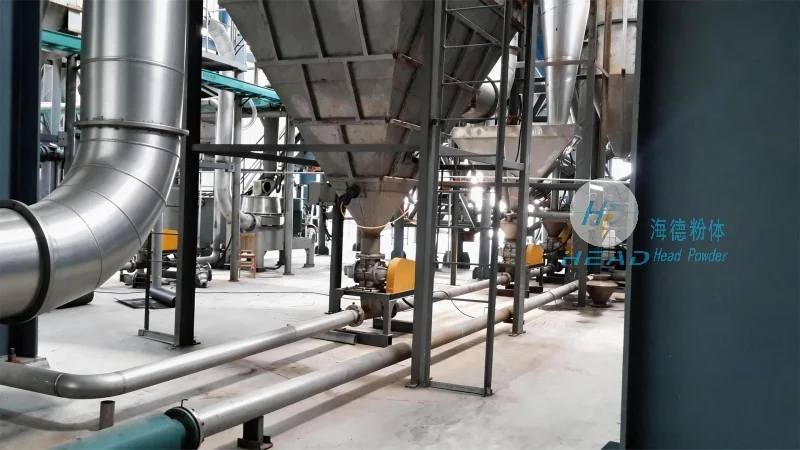
PVA-Formaldehyde Material and Its Handling Challenges
Polyvinyl alcohol (PVA) is a versatile polymer widely used in various industries, including textiles, adhesives, and coatings. When it undergoes a chemical reaction with formaldehyde, it forms polyvinyl alcohol-formaldehyde (PVA-F), a material with unique properties such as enhanced stability and improved solubility. However, handling PVA-F can present challenges due to its hygroscopic nature and the need for controlled moisture levels during transport. Traditional methods like belt conveyors or bucket elevators may not be suitable for such delicate materials, as they can cause degradation or uneven distribution. This is where pneumatic conveying systems offer a superior solution.
Core Components of a PVA-Formaldehyde Pneumatic Conveying System
The PVA-Formaldehyde material pneumatic conveying system consists of several key components that work in tandem to ensure efficient material transport. The primary components include a hopper for material storage, a feeder to control the flow rate, a conveying line (often equipped with cyclones or filters to separate air and material), and a receiver for the final material deposition. The system may also incorporate a blower or compressor to generate the necessary air pressure for conveying. Each component is carefully selected and sized based on the specific characteristics of the PVA-F material, including its particle size, density, and moisture content.
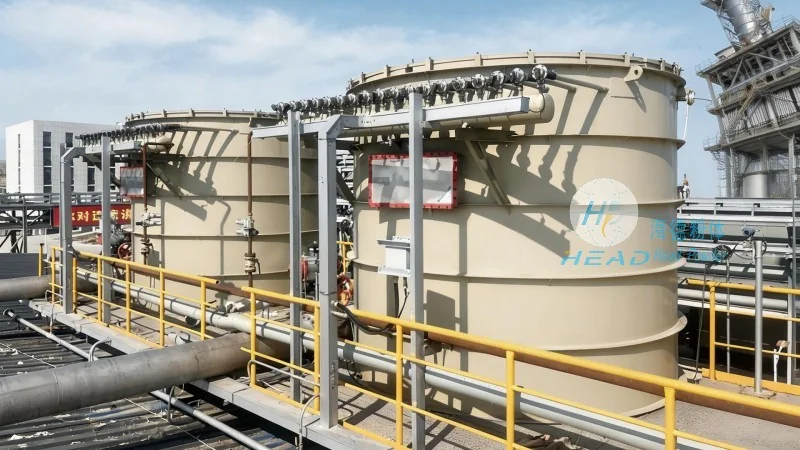
Design Principles for Optimal Performance
The design of a PVA-Formaldehyde pneumatic conveying system follows a set of principles aimed at maximizing efficiency, minimizing material degradation, and ensuring safe operation. One of the critical design considerations is the selection of the conveying air velocity. The velocity must be high enough to overcome the resistance of the material particles but low enough to prevent excessive wear on the system components and to avoid the formation of dust clouds. The system is typically designed with a pressure or vacuum operation, depending on the application. For PVA-F, a pressure system is often preferred to maintain consistent moisture levels and prevent moisture absorption from the air.
Another key design principle is the use of appropriate materials for the conveying line and components. Since PVA-F can be corrosive or abrasive under certain conditions, the system components are often made from stainless steel or other corrosion-resistant materials to ensure longevity and maintain material purity. The hopper and feeder are designed with smooth surfaces and minimal dead zones to prevent material buildup and caking, which can affect the flow rate and system performance. Additionally, the system may include temperature control features to maintain the optimal temperature range for PVA-F, as temperature fluctuations can impact its physical properties.
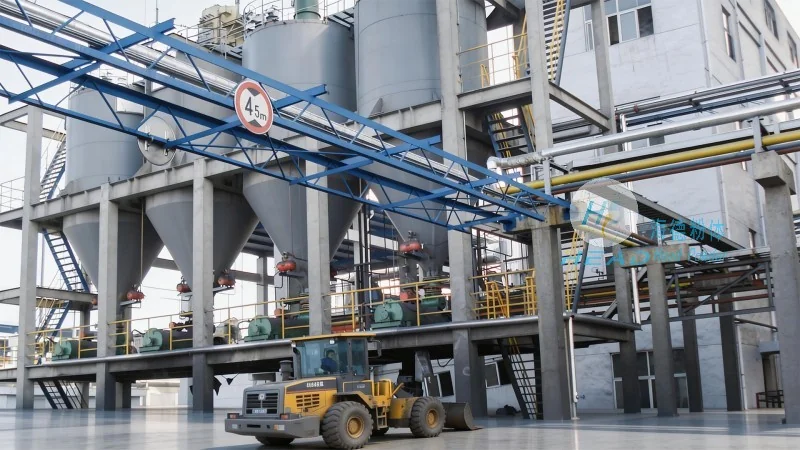
Advantages of PVA-Formaldehyde Pneumatic Conveying Systems
Implementing a PVA-Formaldehyde pneumatic conveying system offers several advantages over traditional material handling methods. First, it provides a dust-free and enclosed transport process, which enhances workplace safety and reduces the risk of material contamination. The system also allows for precise control over the material flow rate, ensuring consistent product quality and reducing waste. Furthermore, pneumatic conveying systems can handle materials with a wide range of particle sizes and shapes, making them suitable for various PVA-F formulations. The enclosed design also helps in maintaining the material's moisture content, which is crucial for maintaining its properties in downstream processes.
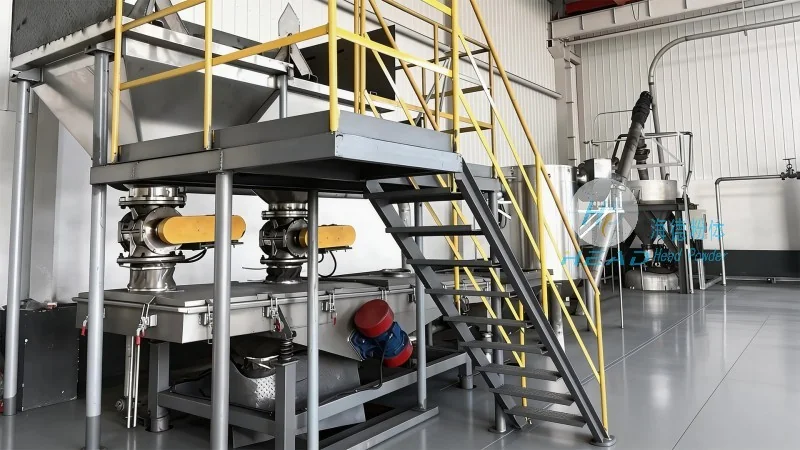
Customization and Integration with Industrial Processes
HeadPowder, with its headquarters in Shandong, China, offers customized PVA-Formaldehyde pneumatic conveying systems tailored to the specific needs of each client. The company’s engineers work closely with clients to understand their production requirements, material characteristics, and operational constraints to design a system that meets all their needs. The systems can be integrated with existing industrial processes, such as mixing, drying, or packaging, to create a seamless material handling workflow. The company also provides comprehensive support, including installation, commissioning, and maintenance services, to ensure the system operates at peak performance throughout its lifecycle.
Conclusion
In summary, a PVA-Formaldehyde material pneumatic conveying system is a sophisticated and efficient solution for transporting polyvinyl alcohol-formaldehyde materials. The design principles, which focus on material characteristics, system components, and operational parameters, ensure optimal performance and minimal degradation. With its ability to handle delicate materials in a controlled and enclosed environment, this system is an essential asset for industries relying on PVA-F in their production processes. HeadPowder, based in Shandong, China, is a trusted partner for designing and implementing such systems, providing clients with reliable and high-performance material handling solutions.