When it comes to transporting cement powder efficiently and safely, a well-designed pneumatic conveying system is crucial. This guide from Shandong HeadPowder Engineering Co., Ltd. outlines the key considerations and steps to create an effective cement powder pneumatic conveying system plan.
Understanding the Core Principles of Cement Powder Pneumatic Conveying
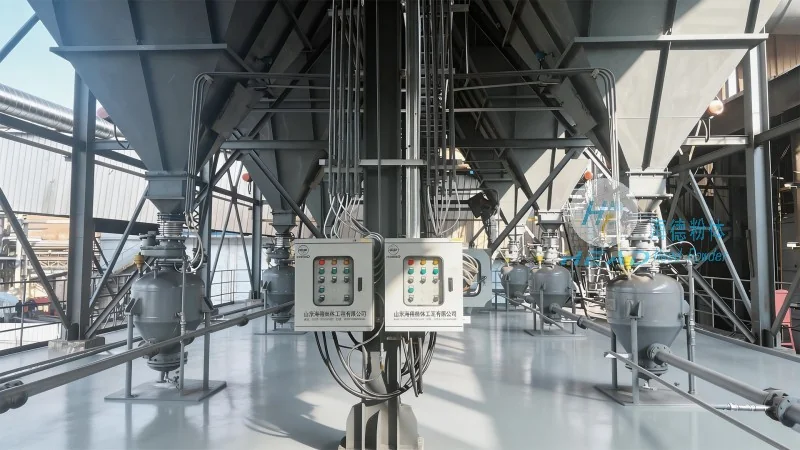
Before diving into the design process, it's essential to grasp the fundamental principles of pneumatic conveying for cement powder. This method involves transporting dry bulk materials like cement through a pipeline using air pressure. The system typically consists of a hopper, a feeder, a pipeline, and a receiver. The choice between positive and negative pressure systems depends on factors such as material characteristics, distance, and system complexity. Positive pressure systems use a blower to push air and material through the line, while negative pressure systems use a vacuum to draw material from the source. For cement powder, which is often fine and abrasive, selecting the right system is vital to prevent clogging and ensure smooth operation.
Key Factors to Consider in System Design
Several critical factors must be evaluated when designing a cement powder pneumatic conveying system. First, the material's properties, including particle size, moisture content, and flowability, significantly impact system performance. Cement powder is typically fine, with particles ranging from 10 to 100 microns, making it prone to static electricity and agglomeration. Therefore, proper material handling techniques, such as using anti-static additives or grounding equipment, are necessary to maintain flowability. Second, the conveying distance and layout of the system affect the required air velocity and pressure. Longer distances may require higher air speeds to prevent material deposition in the pipeline. Third, the system's capacity and throughput needs must be determined based on production requirements. Whether the system is for small-scale batch processing or large-scale continuous operation, the design must accommodate the desired flow rate. Additionally, the environmental and safety considerations, such as dust control and explosion prevention, are paramount. Cement powder is a combustible dust, and proper ventilation and explosion-proof equipment are essential to comply with safety regulations.
Step-by-Step Design Process for a Cement Powder Pneumatic Conveying System
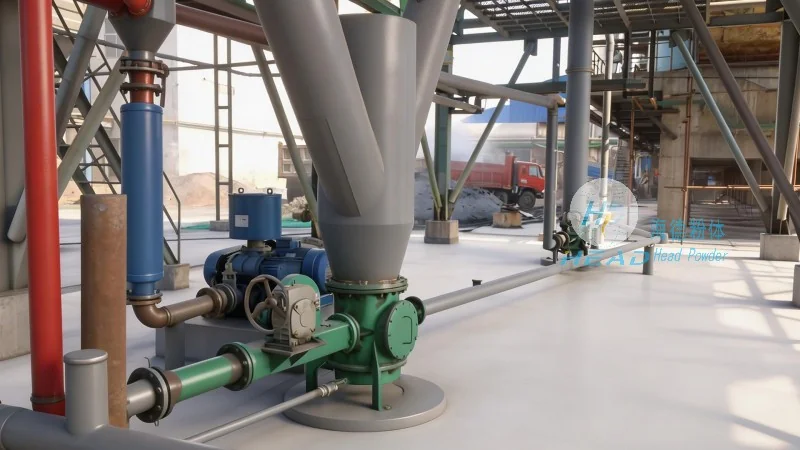
The design process for a cement powder pneumatic conveying system involves several systematic steps. The first step is to define the system's objectives and constraints. This includes identifying the source and destination of the material, the required capacity, and any operational limitations. Next, the material characteristics are analyzed to select the appropriate conveying method. For cement powder, a positive pressure system with a rotary valve feeder is often recommended due to its ability to handle fine materials and maintain consistent flow. The hopper design is critical to prevent material bridging and ensure smooth feeding. A conical hopper with a sloped bottom and a venting system helps maintain material flow. The feeder, typically a rotary valve or a star feeder, controls the material discharge rate and prevents air leakage. The pipeline design considers the air velocity and pressure drop. The air velocity must be high enough to keep the material suspended but low enough to avoid excessive wear on the pipeline. The pipeline diameter and length are calculated based on the material's properties and the required flow rate. The receiver, where the material is deposited, should be designed to prevent dust accumulation and facilitate cleaning. Finally, the system is tested and optimized to ensure it meets the performance requirements. This may involve adjusting the air pressure, feeder speed, or pipeline layout based on real-world operation data.
Equipment Selection and Installation Tips
Choosing the right equipment is essential for the successful operation of a cement powder pneumatic conveying system. The hopper should be made of durable materials, such as stainless steel or carbon steel, to withstand the abrasive nature of cement powder. The feeder must be capable of handling fine materials without clogging. A rotary valve feeder is preferred for its reliability and ability to control the material flow rate precisely. The pipeline should be constructed from corrosion-resistant materials, such as stainless steel or PVC, to prevent rust and material buildup. The use of bends and elbows should be minimized to reduce pressure drop and material deposition. Regular maintenance is crucial to ensure the system operates efficiently. This includes cleaning the hopper and feeder, checking for leaks in the pipeline, and replacing worn parts. Proper installation, such as ensuring the pipeline is level and the receiver is properly sealed, also contributes to the system's performance.
Case Study: A Successful Cement Powder Pneumatic Conveying System Implementation
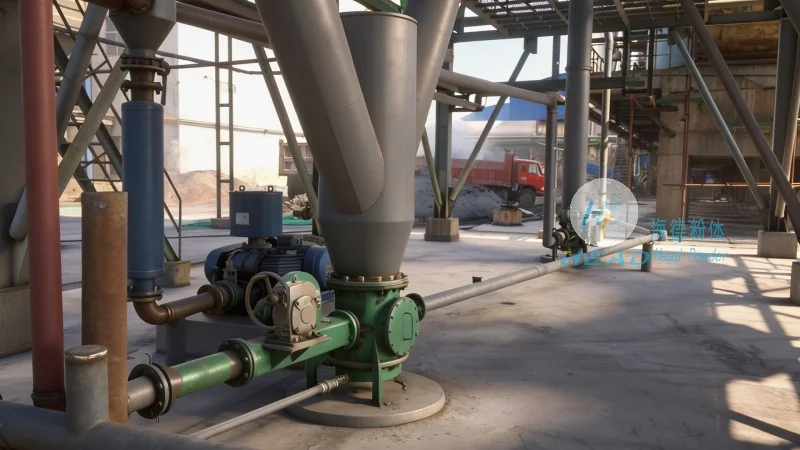
Shandong HeadPowder Engineering Co., Ltd. has successfully implemented numerous cement powder pneumatic conveying systems for clients across China. One notable project involved a cement plant in Shandong that needed to transport 100 tons of cement powder per hour from a silo to a storage facility over a distance of 200 meters. The system was designed using a positive pressure system with a rotary valve feeder and stainless steel pipeline. The air velocity was set at 20 m/s, and the pressure was maintained at 0.6 bar. The system operated smoothly for over a year with minimal maintenance. The client reported a significant reduction in labor costs and improved material handling efficiency. This case study highlights the importance of proper system design and equipment selection in achieving optimal performance.
Conclusion: Building a Reliable Cement Powder Pneumatic Conveying System
Designing a reasonable cement powder pneumatic conveying system requires a comprehensive approach that considers material properties, system layout, and operational requirements. By following the steps outlined in this guide, engineers and facility managers can create a system that is efficient, safe, and cost-effective. Shandong HeadPowder Engineering Co., Ltd. specializes in providing customized solutions for cement powder pneumatic conveying systems, leveraging years of experience and expertise to meet the unique needs of each client. Whether you are planning a new system or upgrading an existing one, consulting with a professional like HeadPowder can help ensure the success of your project.




