

What is a Powder Mixing and Gas-solid Pneumatic Conveying Equipment? What are its Design Principles?
For industrial applications that require precise handling and mixing of powders, the powder mixing and gas-solid pneumatic conveying equipment has emerged as a critical solution. This equipment is designed to transport, mix, and distribute dry powders efficiently, ensuring consistent quality and process reliability across various industries. Understanding its functionality and design principles is essential for selecting the right equipment for specific operational needs.
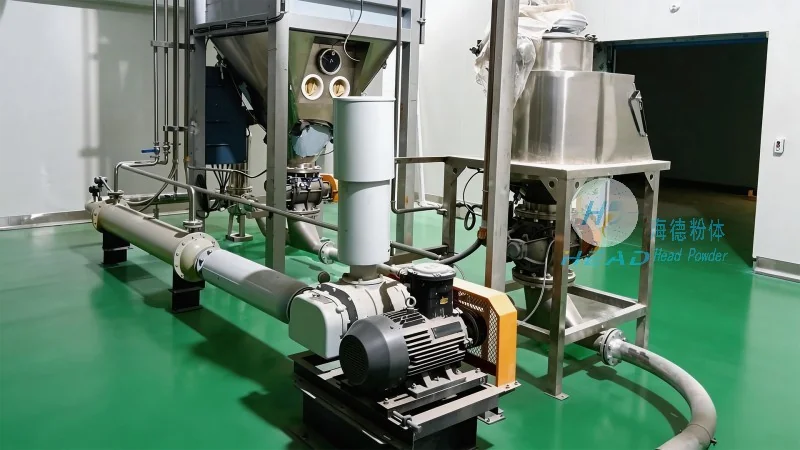
Powder Mixing and Gas-solid Pneumatic Conveying Equipment: Core Functionality
The primary purpose of this equipment is to handle bulk powders through pneumatic conveying, which involves the use of a gas (usually air or other gases) to transport particles. The system typically integrates mixing mechanisms to ensure uniform blending of different powder components. This integration allows for seamless transfer from storage to processing areas, minimizing material loss and contamination risks. The equipment is widely used in sectors such as pharmaceuticals, food processing, chemical manufacturing, and mining, where precise powder handling is paramount.
Design Principles of the Equipment
The design of a powder mixing and gas-solid pneumatic conveying system is based on several key principles to ensure optimal performance. First, the system must maintain consistent air flow and pressure to control particle velocity and prevent clogging. This is achieved through carefully engineered components like Venturi nozzles, rotary valves, and airlocks. Second, the mixing process relies on the interaction between the conveying air and the powder particles, which can be enhanced by using static mixers or agitators. These components ensure that different powder ingredients are thoroughly combined, achieving a homogeneous mixture. Third, the equipment is designed with safety and maintenance in mind, incorporating features like pressure relief valves and easy access for cleaning and inspection. The overall design aims to balance efficiency, reliability, and cost-effectiveness, making it suitable for both small-scale and large-scale industrial operations.
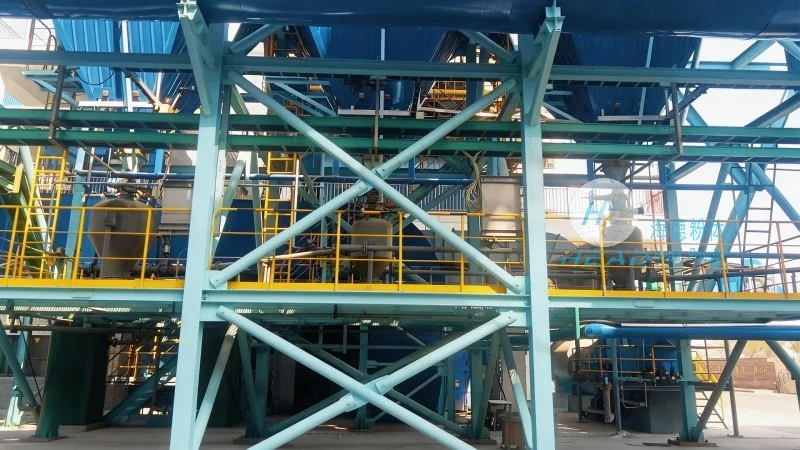
Key Components and Their Roles
Several critical components make up the powder mixing and gas-solid pneumatic conveying equipment. The storage hopper is the initial point where powders are loaded, often equipped with a discharge valve to control the flow. The conveying line, typically made of stainless steel or other corrosion-resistant materials, transports the powder from the hopper to the processing area. The Venturi system, which uses a constriction to increase air velocity and draw in powder, is a core element for efficient suction. The rotary airlock or rotary valve at the discharge end prevents backflow and ensures a controlled release of the mixed powder. Additionally, the mixing chamber may include static mixers or mechanical agitators to enhance blending. Each component is engineered to work in harmony, ensuring smooth operation and minimal downtime.
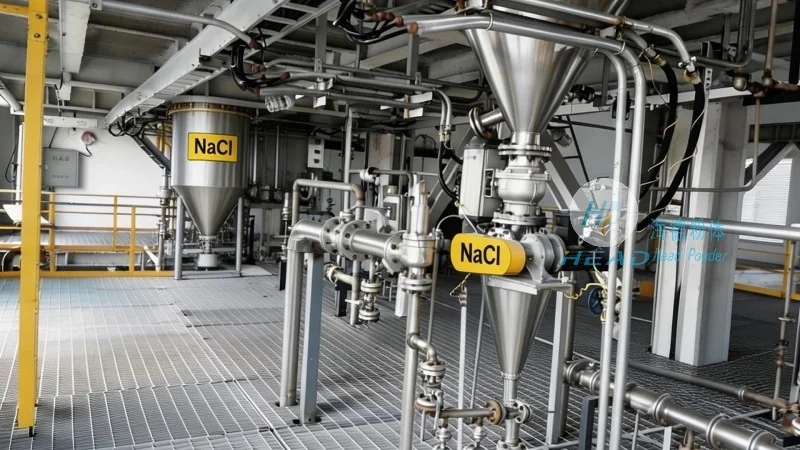
Applications and Benefits
The versatility of the powder mixing and gas-solid pneumatic conveying equipment makes it applicable in diverse industries. In pharmaceutical manufacturing, it ensures that active ingredients and excipients are mixed uniformly, meeting strict regulatory standards. In food processing, it maintains the integrity of sensitive ingredients while preventing cross-contamination. In chemical production, it facilitates the handling of reactive powders safely. The benefits of this equipment include improved process efficiency, reduced labor costs, and enhanced product quality. By automating the powder handling and mixing process, it minimizes human error and ensures consistent output, which is crucial for maintaining customer satisfaction and regulatory compliance.
Customization and Integration
Shandong HeadPowder Engineering Co., Ltd. specializes in designing and manufacturing customized powder mixing and gas-solid pneumatic conveying systems tailored to specific customer requirements. The company, based in Shandong, China, leverages advanced engineering expertise to develop solutions that address unique operational challenges. Customization options include varying hopper sizes, different conveying line configurations, and specialized mixing components. The equipment can also be integrated with existing production lines, ensuring seamless operation without disrupting current workflows. This approach allows industries to optimize their processes while adhering to safety and quality standards.