Understanding the design principles of sulfur material handling systems is crucial for industries dealing with sulfur, such as chemical manufacturing, petrochemical processing, and mining operations. These systems are engineered to safely and efficiently transport sulfur, a versatile element used in various applications including fertilizers, pharmaceuticals, and industrial chemicals. The complexity of these systems lies in balancing operational efficiency with safety measures, as sulfur can pose challenges like dust generation and thermal hazards during handling.
Introduction to Sulfur Material Handling Systems
A sulfur material handling system is a specialized setup designed to manage the storage, transfer, and processing of sulfur in bulk quantities. These systems are integral to industrial operations where sulfur is a key raw material. The design of such systems must consider several factors, including the physical properties of sulfur, environmental regulations, and the specific requirements of the end-use applications. For instance, sulfur can exist in different forms—solid, liquid, or gas—each requiring tailored handling solutions. The system's design aims to ensure seamless integration with existing production lines while minimizing downtime and operational risks.
Key Components of a Sulfur Material Handling System
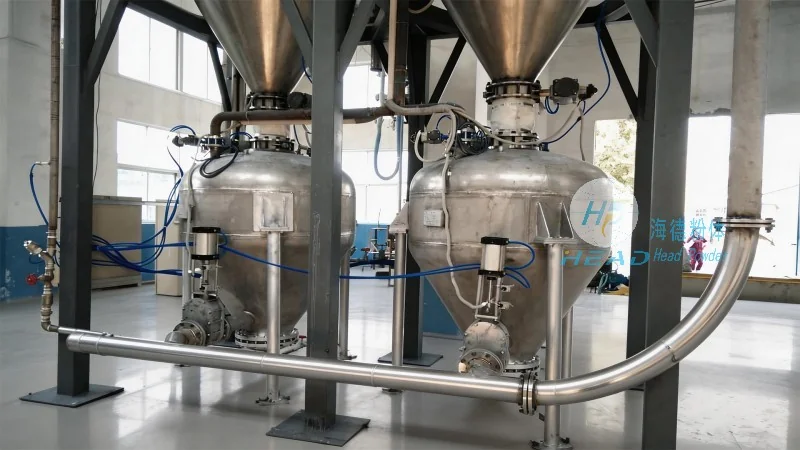
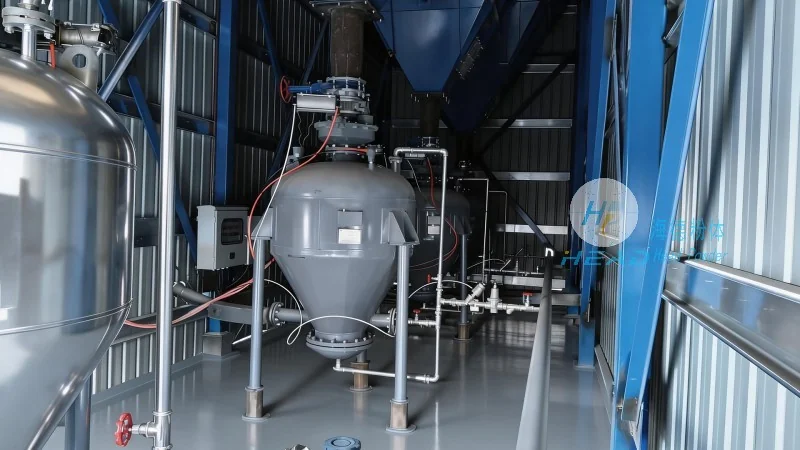
The core components of a sulfur material handling system typically include storage vessels, conveying equipment, processing units, and safety controls. Storage vessels are designed to accommodate sulfur in its various states, with options ranging from silos for solid sulfur to tanks for liquid sulfur. Conveying equipment, such as screw conveyors, pneumatic systems, or belt conveyors, is selected based on the form of sulfur and the distance it needs to be transported. Processing units may include crushers, grinders, or reactors, depending on the downstream applications. Safety controls, including dust suppression systems, temperature monitoring, and explosion-proof designs, are critical to mitigate risks associated with sulfur handling.
Design Principles for Efficient and Safe Operation
The design principles of sulfur material handling systems focus on optimizing performance, ensuring safety, and adhering to industry standards. One key principle is the selection of appropriate materials for equipment construction. Sulfur is chemically reactive and can corrode certain metals, so materials like stainless steel, special alloys, or non-metallic components are often used to prevent degradation and ensure longevity. Another principle is the implementation of dust control measures. Sulfur dust can be hazardous, leading to respiratory issues and fire risks. Therefore, systems often incorporate dust collection systems, sealed conveyor lines, and air filtration units to maintain a safe working environment.
Temperature management is another critical design consideration. Sulfur has a melting point of around 115°C, and during processing, it may reach higher temperatures. The system must be designed to handle these thermal conditions, with features like cooling systems or insulated pipelines to prevent overheating and potential hazards. Additionally, the system's layout should facilitate easy maintenance and inspection. Access points for equipment checks, regular cleaning procedures, and routine maintenance schedules are integrated into the design to ensure long-term reliability.
HeadPowder Engineering's Expertise in Sulfur Handling Solutions
Shandong HeadPowder Engineering Co., Ltd., a leading provider of engineering solutions, specializes in designing and implementing sulfur material handling systems tailored to client needs. With a strong focus on safety, efficiency, and compliance, HeadPowder leverages years of industry experience to deliver customized solutions. The company's team of engineers works closely with clients to understand their specific requirements, from raw material characteristics to production capacity, ensuring that the final system meets all operational and safety standards. HeadPowder's approach involves thorough site assessments, detailed design phases, and rigorous testing to validate system performance before deployment.
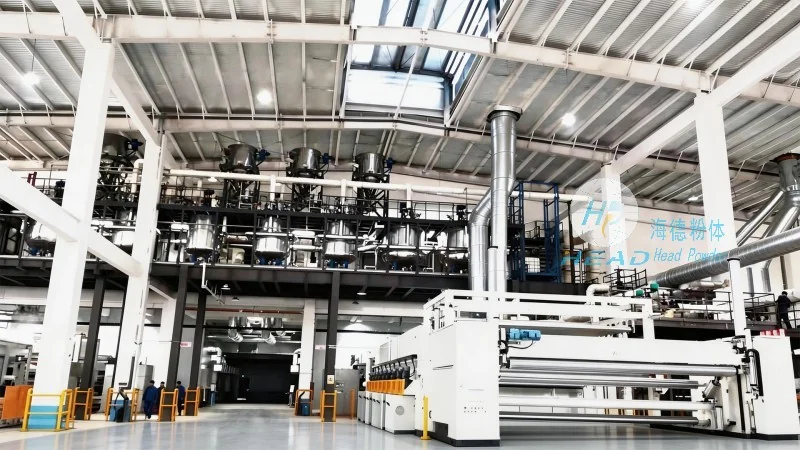
HeadPowder's expertise extends to the integration of advanced technologies in sulfur handling systems. This includes the use of automated control systems, real-time monitoring, and data analytics to optimize operational performance. By leveraging these technologies, the company helps clients achieve higher productivity, reduced downtime, and enhanced safety. The company also adheres to international standards and regulations, ensuring that its systems are compliant with environmental and safety requirements. This commitment to quality and compliance has made HeadPowder a trusted partner for industries worldwide.
Conclusion: The Importance of Well-Designed Sulfur Material Handling Systems
In conclusion, a well-designed sulfur material handling system is essential for industries relying on sulfur as a raw material. The system's design must address the unique challenges posed by sulfur, including its physical properties, safety hazards, and processing requirements. By incorporating robust design principles, advanced materials, and safety features, these systems ensure efficient and safe operation. Companies like Shandong HeadPowder Engineering Co., Ltd. play a vital role in delivering such solutions, combining technical expertise with practical experience to meet the diverse needs of the industry. As industries continue to evolve, the importance of reliable sulfur handling systems will only grow, underscoring the need for continued innovation and adherence to best practices in design and implementation.




