Bulk material conveying equipment is a critical component in industrial processes that handle powders and granules stored in silos. The efficient operation of such equipment ensures smooth material flow from storage to processing or packaging stages. This article provides an overview of the operation process and working principles of silo bulk material conveying equipment, focusing on the key mechanisms and systems involved. The information is presented by Shandong HeadPowder Engineering Co., Ltd., a leading manufacturer of bulk material handling solutions based in Shandong, China.
Key Components of Silo Bulk Material Conveying Systems
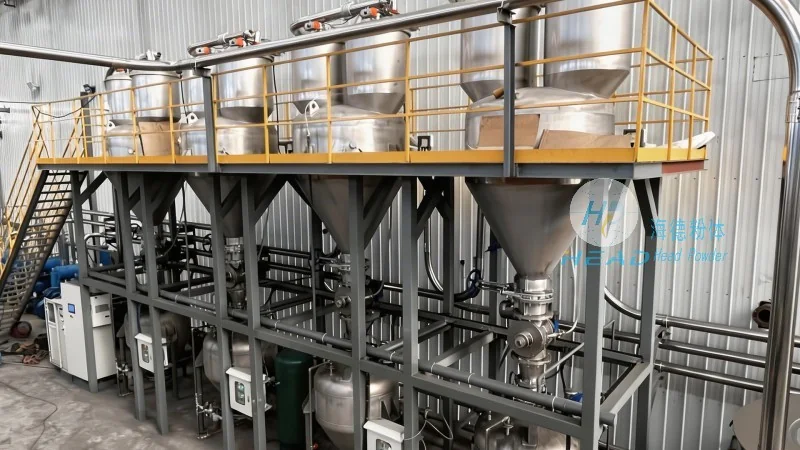
The silo bulk material conveying system typically consists of several essential components that work in concert to achieve reliable material transfer. These components include the silo itself, which serves as the storage vessel; a hopper or feeder at the bottom of the silo to control the discharge of material; a conveying device such as a screw conveyor, pneumatic conveyor, or bucket elevator; and control systems that regulate the flow rate and pressure. Each component plays a vital role in maintaining the integrity and efficiency of the overall system.
Working Principle of Silo Bulk Material Conveying
The working principle of silo bulk material conveying equipment revolves around the movement of material from the storage silo to the processing or downstream equipment. The process begins with the material being stored in the silo under controlled conditions, such as temperature and humidity, to prevent degradation. When material is needed for processing, the feeder at the bottom of the silo opens, allowing a controlled amount of material to fall into the conveying device. The conveying device then transports the material to the desired location, such as a mixer, dryer, or packaging machine. The control systems monitor the flow rate, pressure, and other parameters to ensure the conveying process is smooth and efficient, preventing issues like blockages or overloading.
Operation Process of Silo Bulk Material Conveying Equipment
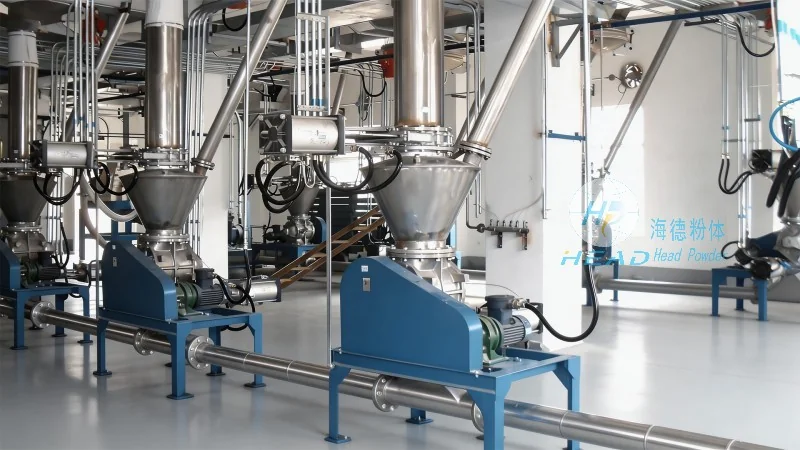
The operation process of silo bulk material conveying equipment involves several sequential steps that ensure the safe and efficient transfer of material. First, the silo is filled with the bulk material, and the level is monitored to prevent overfilling. Once the silo is at the desired level, the feeder is activated to control the discharge rate. The conveying device then starts, transporting the material at a rate that matches the processing requirements. The control system continuously adjusts the flow rate based on feedback from sensors, such as pressure sensors or flow meters, to maintain optimal operation. During operation, the system is monitored for any signs of blockages or malfunctions, and adjustments are made as needed to ensure continuous and reliable material transfer.
Advantages of Silo Bulk Material Conveying Equipment
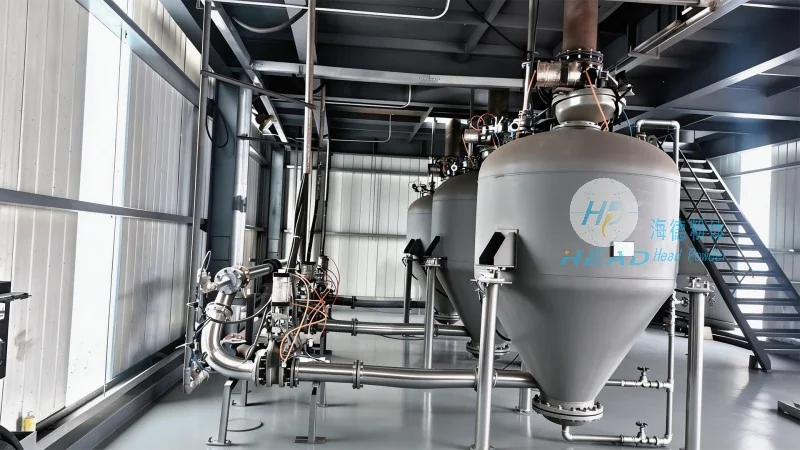
Silo bulk material conveying equipment offers several advantages in industrial applications. These include improved material handling efficiency, reduced labor costs, and enhanced safety by minimizing manual handling of powders. The equipment also allows for precise control over the material flow rate, which is crucial for processes that require consistent material quality. Additionally, the enclosed design of the conveying system helps to prevent dust emissions and contamination, ensuring a cleaner working environment. The reliability of the equipment, with proper maintenance, ensures minimal downtime and consistent performance, making it a preferred choice for many industries.
Applications of Silo Bulk Material Conveying Equipment
Silo bulk material conveying equipment is widely used in various industries, including food processing, pharmaceuticals, chemicals, and mining. In the food industry, it is used to transfer ingredients like flour, sugar, and spices from silos to processing lines. In the pharmaceutical industry, it helps to move raw materials and finished products from storage to packaging equipment. The chemical industry utilizes such equipment for handling powders and granules in manufacturing processes. The mining industry also benefits from these systems for transporting ore and other bulk materials from storage silos to processing plants. The versatility of the equipment makes it suitable for a wide range of applications, adapting to different material types and processing requirements.




