Positive pressure dilute phase powder conveying lines represent a sophisticated solution for the bulk transportation of powders in industrial settings. These systems are engineered to handle a wide variety of powder types, including fine powders, granules, and bulk materials, with minimal product degradation and high efficiency. The technology leverages pneumatic transport principles under positive pressure, ensuring that the material is suspended in a carrier gas and moved through a pipeline network. This approach is particularly advantageous for applications requiring long-distance transport, high throughput, and precise control over material flow.
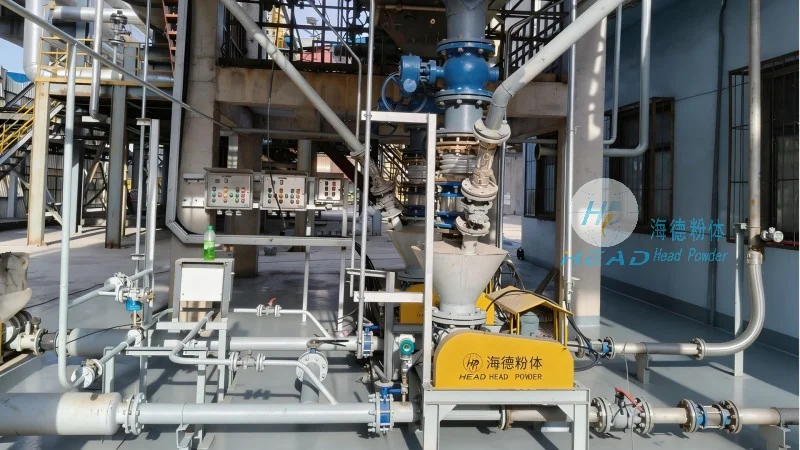
Key Components of the Conveying System
The positive pressure dilute phase powder conveying line consists of several critical components that work in tandem to achieve effective material transport. The primary components include a feeding system, a pressure generation unit, a conveying pipeline, and a separation and collection system. The feeding system, such as a hopper or rotary feeder, regulates the flow rate of the powder into the system, ensuring a consistent supply. The pressure generation unit, typically a blower or compressor, provides the necessary pressure to move the material through the pipeline. The conveying pipeline is designed with appropriate diameters and fittings to minimize pressure loss and maintain the dilute phase condition. The separation system at the receiving end uses equipment like cyclones or filters to separate the powder from the carrier gas, allowing for efficient collection and recycling of the gas.
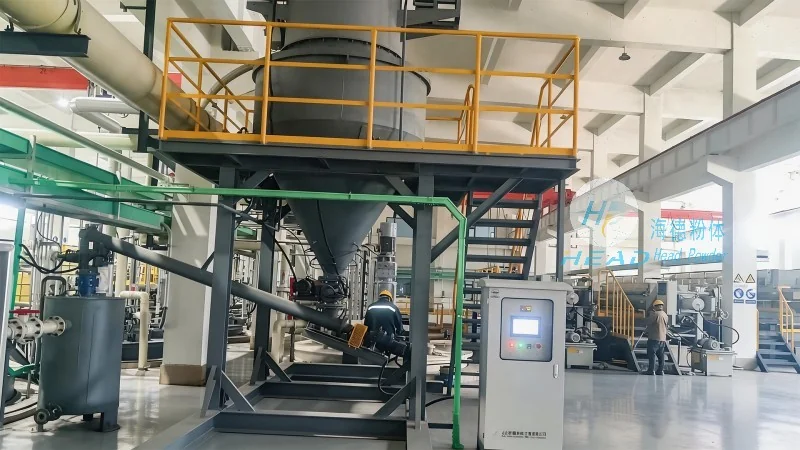
Operation Process of the Positive Pressure Dilute Phase Powder Conveying Line
The operation of a positive pressure dilute phase powder conveying line involves a series of coordinated steps that ensure smooth and continuous material transport. The process begins with the powder being fed into the system from a storage hopper or feeder. The feeder controls the flow rate, preventing overloading and ensuring a steady supply. Once the powder enters the system, it is mixed with a carrier gas, usually air, which is pressurized by the blower or compressor. The pressurized gas and powder mixture is then introduced into the conveying pipeline, where the pressure differential drives the material forward. The pipeline is equipped with valves and sensors that monitor pressure, flow rate, and other parameters to maintain optimal performance. At the receiving end, the mixture passes through a separation unit, such as a cyclone or filter, where the carrier gas is separated from the powder. The powder is collected in a storage bin or processing unit, while the gas is either recycled back into the system or vented to the atmosphere. The entire process is controlled by a programmable logic controller (PLC) or a dedicated control system that adjusts parameters based on real-time feedback.
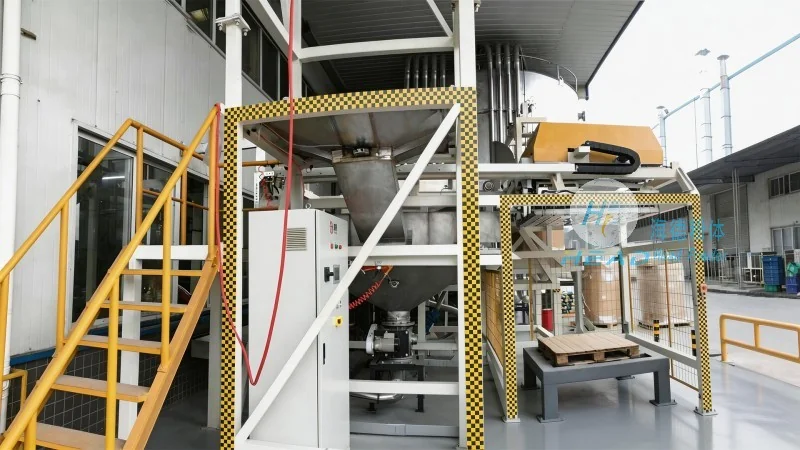
Working Principle of the Positive Pressure Dilute Phase Powder Conveying System
The working principle of a positive pressure dilute phase powder conveying system is rooted in the concept of pneumatic transport under pressure. The system operates by maintaining a pressure higher than the ambient pressure at the inlet of the conveying line. This pressure is sustained throughout the pipeline, ensuring that the powder particles are suspended in the carrier gas and transported as a fluidized mixture. The key to the system's efficiency lies in the dilute phase condition, where the powder concentration is low enough to prevent blockages and maintain a smooth flow. The pressure generation unit provides the necessary force to overcome friction losses in the pipeline and keep the material moving. The separation equipment at the end of the line uses centrifugal force to separate the powder from the gas, allowing for clean collection and minimal contamination. This closed-loop system enhances energy efficiency by recycling the carrier gas and reduces environmental impact by minimizing waste and emissions.
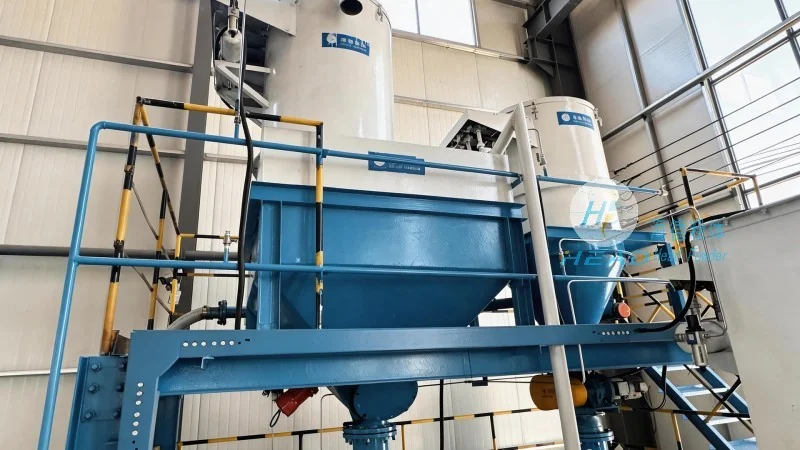
Applications and Benefits of Positive Pressure Dilute Phase Powder Conveying Lines
Positive pressure dilute phase powder conveying lines are widely used in various industries due to their versatility and efficiency. Common applications include the transport of chemicals, pharmaceuticals, food products, and mining materials. The benefits of these systems include high throughput, long-distance transport capability, minimal product degradation, and reduced labor costs. Unlike traditional methods like belt conveyors or bucket elevators, pneumatic conveying systems are less prone to material buildup and can handle abrasive or sticky powders without damage. Additionally, the enclosed pipeline design prevents dust emissions, improving workplace safety and environmental compliance. The system's flexibility allows for easy integration with existing production lines and can be customized to meet specific operational requirements.




