For construction professionals and material handling specialists, understanding the components and operational principles of dry mix mortar powder conveying systems is crucial. These systems are engineered to efficiently transport bulk dry powders, such as those used in dry mix mortar production, from storage to processing or application points. The technology behind these systems combines mechanical engineering, material science, and process control to ensure reliable, consistent, and safe powder movement.
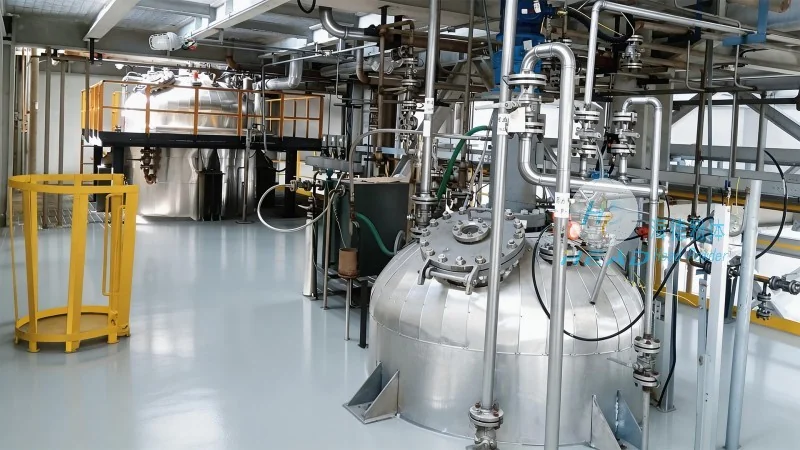
About Shandong HeadPowder Engineering Co., Ltd.
HeadPowder, a leading manufacturer in the field, specializes in developing and supplying advanced powder handling solutions. With a strong presence in China, particularly in Shandong province, the company leverages decades of industry experience to design systems tailored to the unique needs of dry mix mortar manufacturers. The company’s commitment to quality and innovation ensures that its products meet the highest standards of performance and reliability.
Design Principles of Dry Mix Mortar Powder Conveying Systems
The core design of a dry mix mortar powder conveying system revolves around several key components and principles. The system typically includes a hopper for material storage, a conveyor mechanism (such as screw conveyors, pneumatic conveyors, or a combination of both), and control systems to regulate flow and pressure. The choice of conveyor type depends on factors like the material’s properties—such as particle size, moisture content, and flowability—as well as the required conveying distance and capacity.
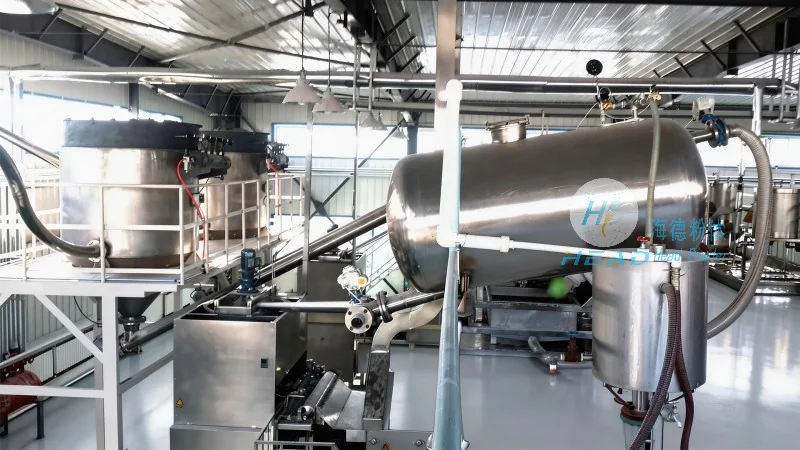
One of the most critical design aspects is the hopper and feeding mechanism. The hopper is designed to maintain a consistent material level and prevent bridging or caking, which can disrupt flow. Feeding devices, such as rotary valves or vibratory feeders, ensure a steady and controlled discharge of powder into the conveyor. This controlled feeding is essential for maintaining uniform flow rates and preventing surges that could damage equipment or compromise product quality.
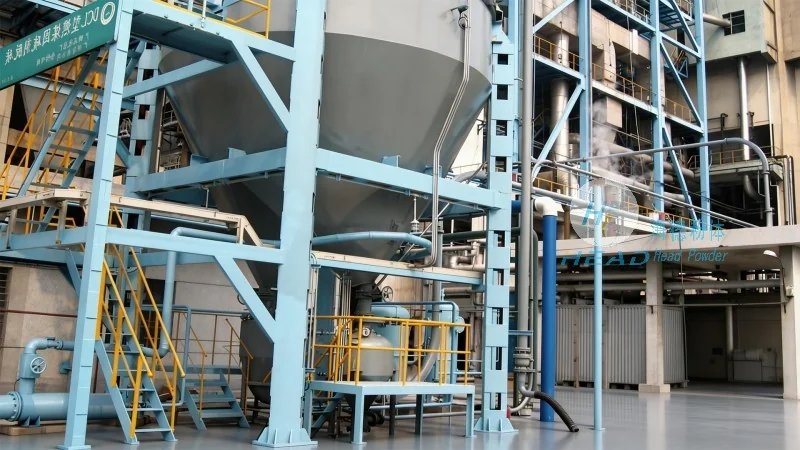
Conveyor selection is another key design consideration. Screw conveyors are commonly used for horizontal or slight incline transport due to their ability to handle a wide range of materials and provide positive displacement. Pneumatic conveyors, on the other hand, use air pressure to move powders through pipelines, making them suitable for longer distances or when the material is sensitive to mechanical stress. Some systems combine both screw and pneumatic components to leverage the advantages of each, offering flexibility in conveying different materials or varying distances.
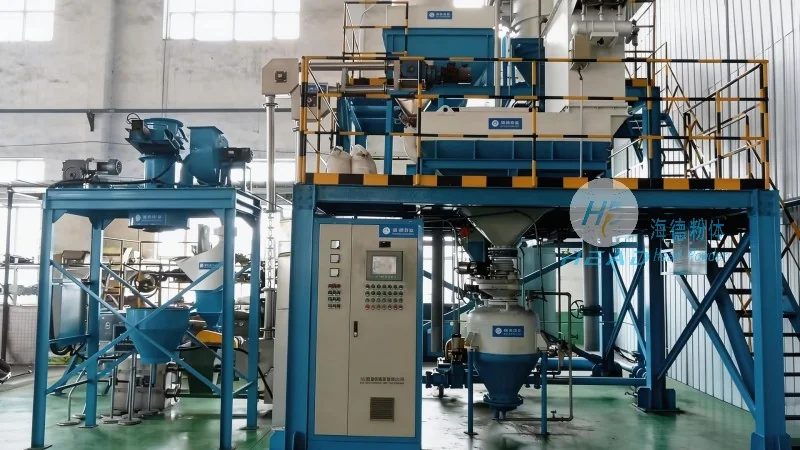
Control systems play a vital role in optimizing the operation of the conveying system. Sensors and monitoring devices track parameters like pressure, flow rate, and material level, providing real-time data to operators. This allows for immediate adjustments to maintain optimal performance. Additionally, automated control systems can adjust conveyor speed or feeding rates based on production demands, ensuring efficient use of resources and minimizing downtime.
Material handling safety is also a fundamental design principle. The system is engineered to prevent dust generation and ensure safe operation. Enclosures, dust collection systems, and explosion-proof components are integrated to protect both the equipment and personnel. The design also considers the material’s potential for static electricity, incorporating grounding and anti-static measures to prevent static discharge, which could ignite dust explosions.




