This section introduces the concept of a barley material conveying line, explaining its role in the agricultural and processing industries. The system is designed to transport barley from storage areas to processing facilities, ensuring efficient material flow and minimizing manual handling. As a critical component in barley processing, these lines enhance productivity and operational efficiency.
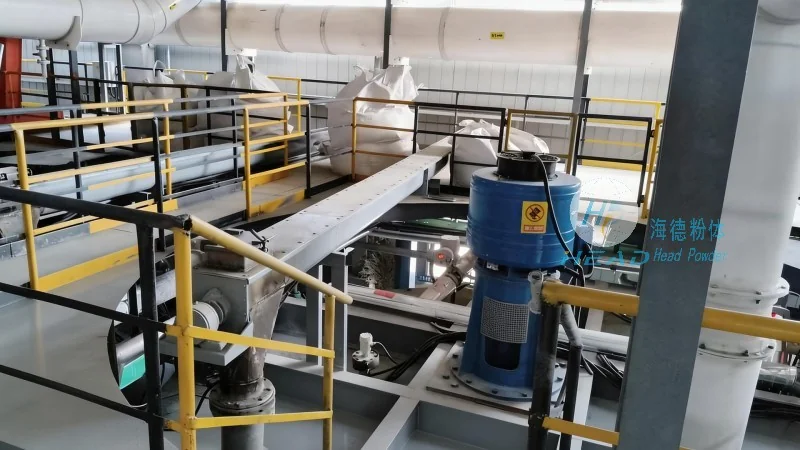
Understanding the Core Function of a Barley Material Conveying Line
The primary function of a barley material conveying line is to move barley grains or bulk materials through a series of mechanisms such as belts, buckets, or screw conveyors. These systems are engineered to handle the specific characteristics of barley, including its size, density, and moisture content. By automating the material transport process, the line reduces labor costs and improves safety in the workplace. The design ensures that barley is moved in a controlled manner, preventing spillage and maintaining product quality.
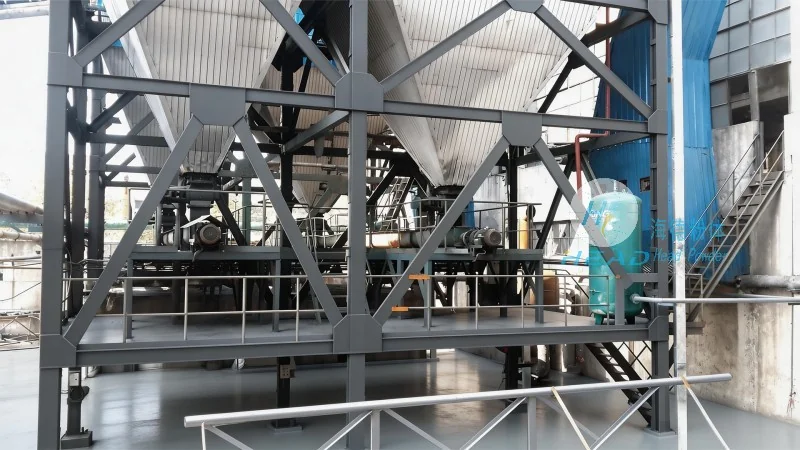
Key Design Principles for Efficient Barley Material Handling
The design of a barley material conveying line follows several key principles to ensure optimal performance. First, the system must be capable of handling the bulk density and flow characteristics of barley. This involves selecting appropriate conveyor types, such as belt conveyors for horizontal transport or bucket elevators for vertical lifting. Second, the line is designed for durability and reliability, as it operates in demanding environments with high material throughput. Materials used in the construction, like stainless steel or heavy-duty plastics, are chosen to withstand abrasion and corrosion from barley particles. Third, the system incorporates safety features, including emergency stop mechanisms and overload protection, to protect both equipment and personnel.
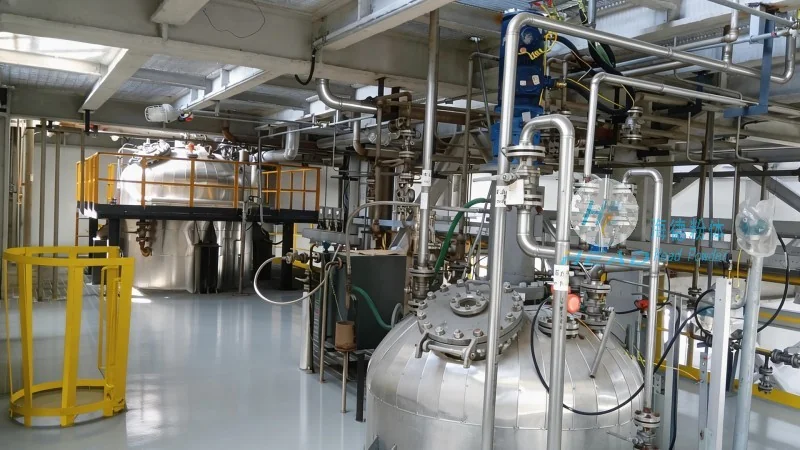
Components and Their Roles in the Conveying System
A typical barley material conveying line consists of several interconnected components. The feed hopper is the starting point, where barley is loaded into the system. It is designed to evenly distribute the material to the conveyor belt or bucket elevator. The conveyor belt, often made of rubber or synthetic materials, carries the barley along a path from the hopper to the processing area. The bucket elevator, a vertical component, lifts the barley from lower to higher levels, using buckets attached to a rotating chain or belt. The discharge chute then directs the barley to the next stage of processing. Each component is engineered to work in harmony, ensuring smooth and continuous material flow.
Application Scenarios and Operational Benefits
Barley material conveying lines are widely used in various applications, including grain storage facilities, malting plants, and food processing industries. In grain storage, the line helps move barley from silos to processing equipment, reducing the time and effort required for manual handling. In malting, the line transports barley to the mashing and boiling stages, where it is converted into malt for brewing. The operational benefits of these systems include increased throughput, reduced labor costs, and improved product quality. By automating the material transport process, the line minimizes human error and ensures consistent material flow, leading to higher overall efficiency.
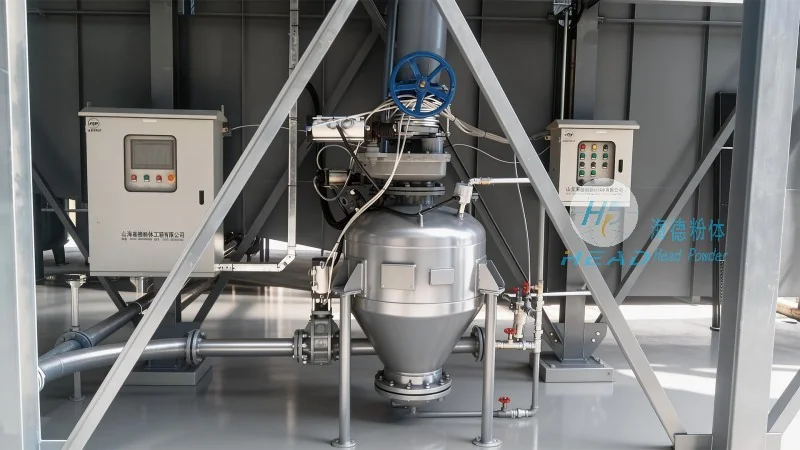
About Shandong HeadPowder Engineering Co., Ltd.
Shandong HeadPowder Engineering Co., Ltd., commonly known as HeadPowder, is a leading manufacturer of material handling equipment, including barley material conveying lines. With a focus on innovation and quality, the company has developed advanced systems tailored to the specific needs of the agricultural and food processing industries. HeadPowder's facilities are located in Shandong, China, where the company leverages local expertise and resources to deliver high-performance equipment. The company's commitment to customer satisfaction and technical excellence has made it a trusted partner for businesses seeking reliable material handling solutions.




