Glass slag material conveying lines are specialized industrial systems engineered to transport and manage glass slag, a byproduct of glass manufacturing processes. These systems are crucial in the glass industry for efficient material handling, ensuring that glass slag is moved from production sites to disposal or recycling facilities with minimal operational disruption. The design of such lines is tailored to the unique physical properties of glass slag, including its abrasive nature and varying particle sizes, which require robust and durable equipment to prevent wear and tear.
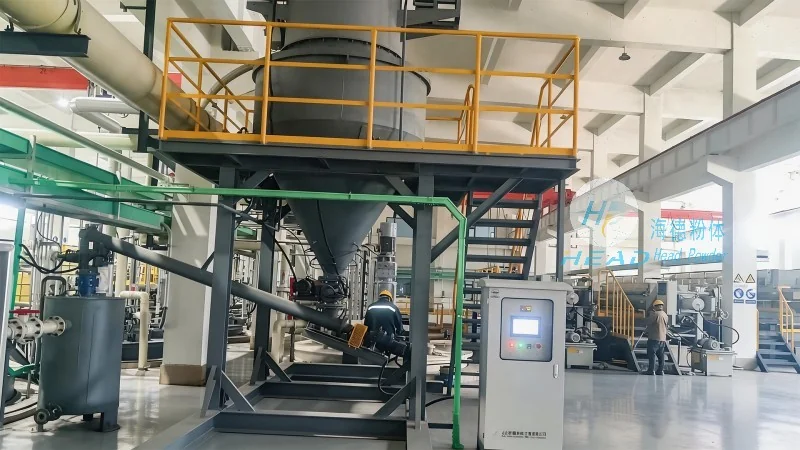
Understanding the Core Function of Glass Slag Conveying Systems
The primary function of a glass slag material conveying line is to facilitate the continuous movement of glass slag from its source, such as a furnace or crushing area, to the next stage of processing or disposal. This involves integrating various components like hoppers, feeders, conveyors (e.g., belt conveyors, screw conveyors, or pneumatic systems), and control mechanisms. The system must ensure that glass slag is transported safely and efficiently, minimizing the risk of material spillage or equipment damage. The design must also consider the environmental impact, as proper handling of glass slag is essential for compliance with waste management regulations.
Key Design Principles for Efficient Glass Slag Handling
Efficient glass slag conveying line design is based on several critical principles. First, the system must be constructed with materials that can withstand the abrasive and corrosive effects of glass slag, such as high-strength steel or specialized alloys. Second, the conveyor components, including belts, rollers, and bearings, are designed to handle heavy loads and high friction, reducing maintenance requirements. Third, the system incorporates advanced control systems that monitor flow rates, pressure, and temperature, ensuring optimal performance and preventing system failures. Additionally, the design considers space constraints and operational flexibility, allowing for easy integration into existing production facilities.
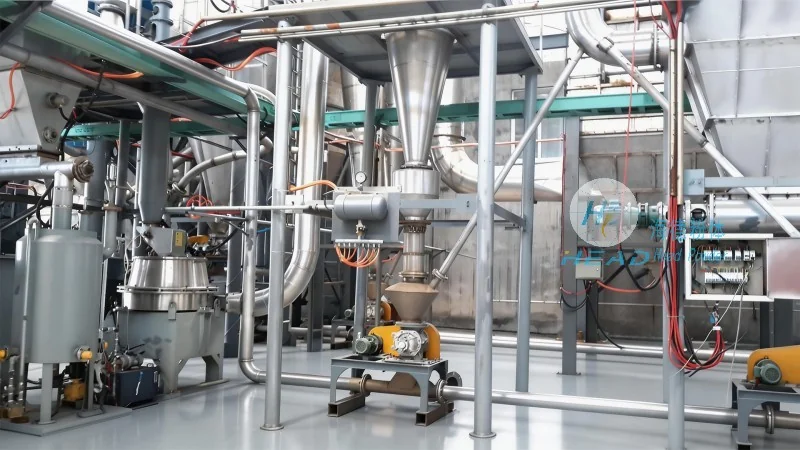
Components and Mechanisms in Glass Slag Conveying Lines
A typical glass slag material conveying line consists of several key components. The hopper at the inlet collects glass slag, which is then fed into a conveyor system. Belt conveyors are commonly used for horizontal and slight incline transport due to their ability to handle large volumes and heavy loads. Screw conveyors are ideal for vertical or inclined transport, as they can move material in a compact space. Pneumatic conveying systems, using air pressure to transport glass slag, are used for long-distance or high-velocity applications. The system also includes safety features like emergency stops, overload protection, and dust suppression mechanisms to ensure safe operation.
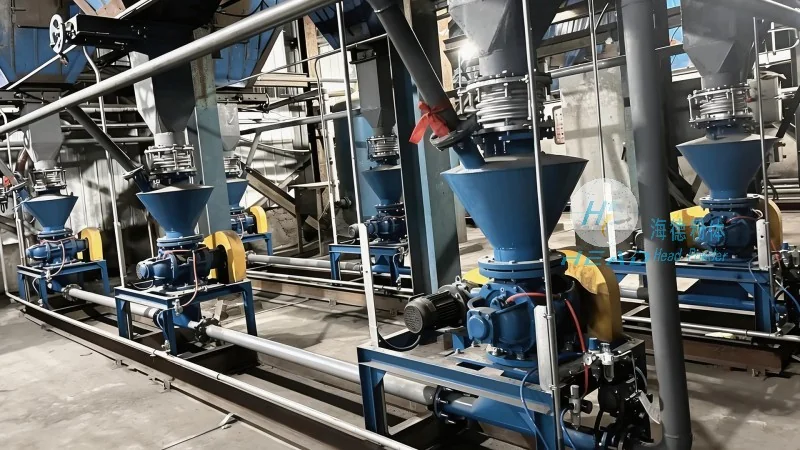
Application Scenarios and Operational Considerations
Glass slag material conveying lines are widely used in glass manufacturing plants, recycling facilities, and waste management sites. In manufacturing plants, they transport glass slag from furnaces to crushing or sorting areas. In recycling facilities, they move glass slag to be processed into new glass products or other materials. Operational considerations include regular maintenance to prevent equipment failure, monitoring of material flow to optimize throughput, and adherence to safety protocols to protect workers. The system's design must also account for the varying moisture content and particle size of glass slag, as these factors can affect conveyor performance and efficiency.
About Shandong HeadPowder Engineering Co., Ltd.
Shandong HeadPowder Engineering Co., Ltd. is a leading manufacturer specializing in industrial material handling solutions, including glass slag material conveying lines. With a focus on innovation and quality, the company designs and manufactures systems tailored to the specific needs of the glass industry. HeadPowder's facilities are located in Shandong, China, where they leverage advanced technology and experienced engineering teams to deliver reliable and efficient conveying solutions. The company's commitment to customer satisfaction and environmental responsibility ensures that their products meet the highest standards of performance and sustainability.




