Lithium hexafluorophosphate (LiPF₆) is a critical electrolyte material widely used in lithium-ion batteries. The efficient and safe handling of LiPF₆ powder is essential for battery manufacturing processes. A specialized powder conveying line is designed to address these needs, ensuring precise material transport while maintaining safety standards.
Understanding the Lithium Hexafluorophosphate Powder Conveying Line
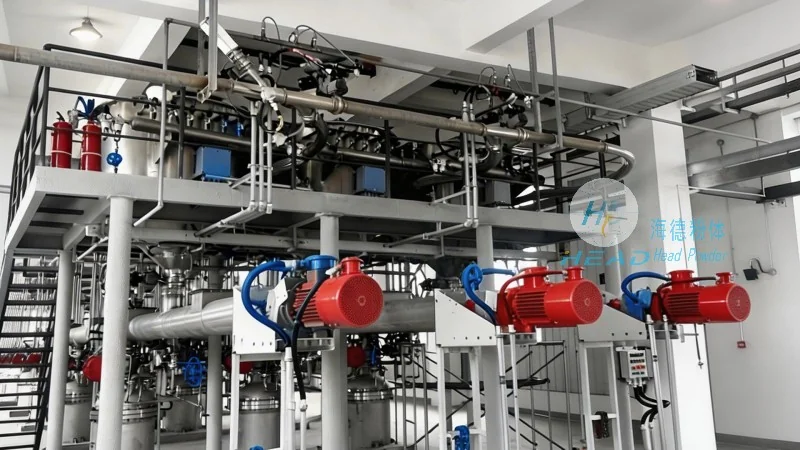
The lithium hexafluorophosphate powder conveying line is a sophisticated system engineered to transport LiPF₆ powder from storage to processing units. This system is crucial in battery production, as LiPF₆ is highly reactive and requires careful handling to prevent contamination or safety hazards. The line integrates multiple components to achieve reliable and efficient material transfer.
Key Components of the Conveying Line
At the core of the conveying line are several key components that work in tandem to ensure smooth operation. These include hoppers for material storage, pneumatic or mechanical conveying systems for transport, and control units for monitoring and regulation. Each component is designed to handle the specific properties of LiPF₆, such as its fine particle size and hygroscopic nature.
Design Principles for Safety and Efficiency
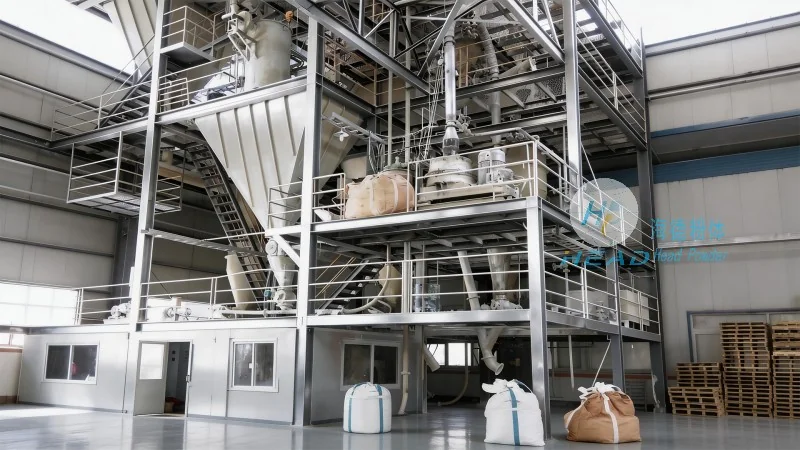
The design of the LiPF₆ powder conveying line prioritizes both safety and operational efficiency. One of the primary design principles is the implementation of robust sealing systems to prevent dust leakage and exposure to the environment. This is critical because LiPF₆ is sensitive to moisture and can cause corrosion or other issues if not properly contained. Additionally, anti-static measures are integrated into the system to mitigate the risk of electrostatic discharge, which could lead to fires or explosions in the presence of flammable solvents.
Material Handling Considerations
When designing a conveying line for LiPF₆, engineers must consider the material's physical and chemical properties. The fine particle size of LiPF₆ makes it prone to clogging and agglomeration, which can disrupt the conveying process. Therefore, the line often incorporates features like vibration feeders and agitators to maintain material flow. Furthermore, the system is typically constructed from materials resistant to corrosion, such as stainless steel, to ensure longevity and maintain the purity of the LiPF₆.
Control and Monitoring Systems
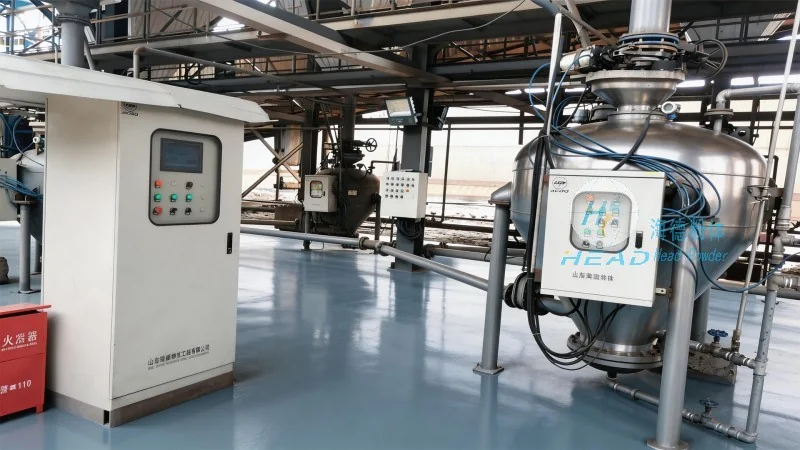
Advanced control and monitoring systems are integral to the conveying line's operation. These systems allow for real-time tracking of material flow rates, pressure differentials, and temperature. By monitoring these parameters, operators can quickly identify and address any issues, such as blockages or leaks, before they escalate into larger problems. The control systems also enable automated adjustments to maintain optimal conveying conditions, reducing the need for manual intervention and enhancing overall efficiency.
HeadPowder Engineering's Expertise in Powder Conveying Solutions
Shandong HeadPowder Engineering Co., Ltd., a leading provider of powder handling solutions, specializes in designing and manufacturing customized conveying lines for lithium battery materials. With years of experience in the industry, HeadPowder has developed a deep understanding of the unique challenges associated with handling LiPF₆ and other high-value powders. The company's engineering team leverages advanced technology and rigorous testing to ensure that each conveying line meets the highest standards of safety, efficiency, and reliability.
Conclusion: The Importance of a Well-Designed Conveying Line
In conclusion, the lithium hexafluorophosphate powder conveying line is a vital component of modern battery manufacturing. Its design principles, which focus on safety, efficiency, and material integrity, are critical to ensuring the quality and reliability of lithium-ion batteries. By integrating advanced components and control systems, these lines enable manufacturers to handle LiPF₆ with precision and confidence. As the demand for lithium-ion batteries continues to grow, the importance of well-engineered powder conveying systems will only increase, making them an essential investment for any battery production facility.




