Graphite powder conveying lines are specialized systems engineered to handle the transportation of graphite powder from one location to another within industrial settings. These systems are crucial for ensuring efficient and safe material movement, especially in applications where graphite is used as a raw material or additive. The design of such lines is tailored to address the unique properties of graphite powder, including its fine particle size, potential for static charge accumulation, and the need for minimal contamination during transfer.
Key Components of a Graphite Powder Conveying Line
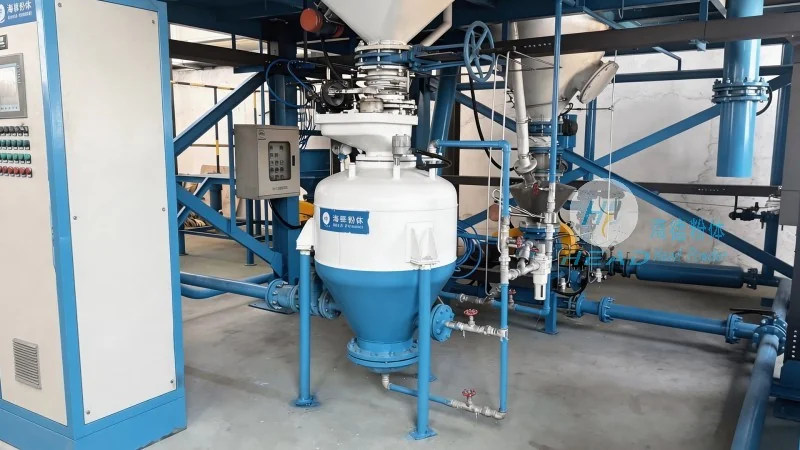
The core components of a graphite powder conveying line typically include feeders, conveyors, dust collection systems, and control mechanisms. Feeders, such as rotary valves or screw feeders, are used to regulate the flow of graphite powder from storage silos or hoppers. Conveyors, often in the form of pneumatic or mechanical systems, transport the powder through pipes or ducts. Pneumatic conveying systems are particularly effective for graphite powder due to their ability to handle fine particles and minimize material degradation. Dust collection systems, including filters and cyclones, are essential to maintain air quality and prevent dust emissions. Control mechanisms, such as PLCs (Programmable Logic Controllers), allow for automated operation and monitoring of the conveying process.
Design Principles for Efficient Graphite Powder Conveying
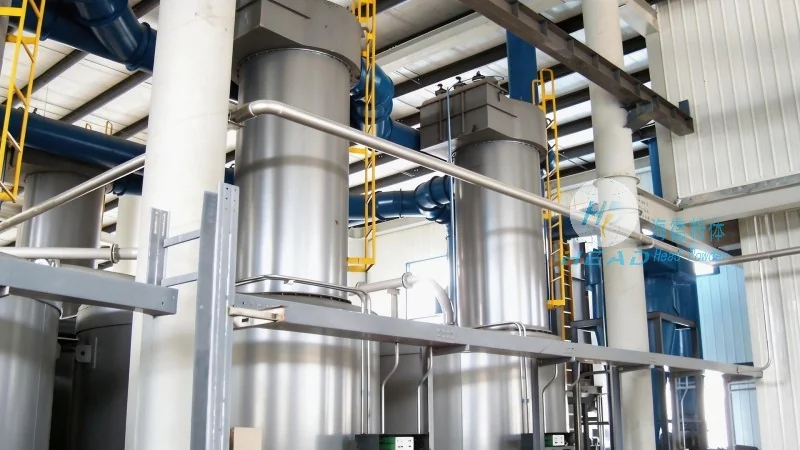
The design of a graphite powder conveying line follows several key principles to ensure optimal performance. First, the system must minimize the risk of material degradation or agglomeration. This is achieved by maintaining low shear forces and avoiding high-velocity impacts on the powder particles. Second, the design must address the issue of static charge accumulation, which can cause powder to stick to surfaces or create hazardous conditions. Anti-static measures, such as grounding and ionizers, are integrated into the system to mitigate this risk. Third, the system is designed to prevent contamination, as graphite powder is often used in high-purity applications like battery manufacturing or lubricants. This involves using clean materials for construction and implementing strict filtration and cleaning protocols. Finally, the design prioritizes energy efficiency and operational reliability, ensuring that the conveying line can operate continuously with minimal downtime.
Applications of Graphite Powder Conveying Lines
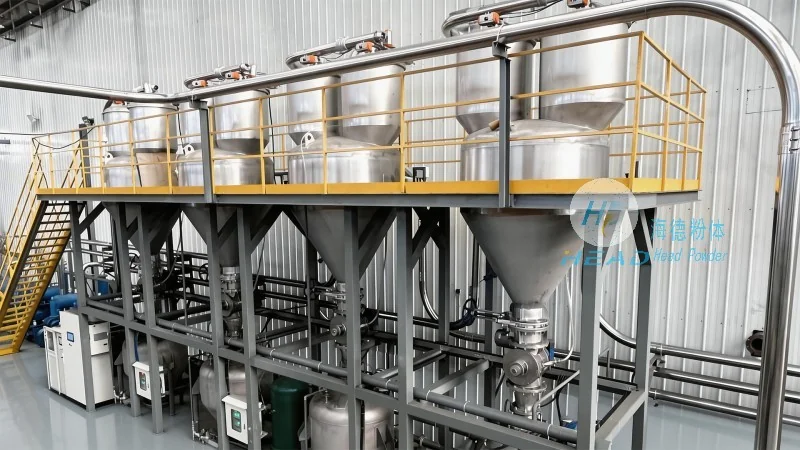
Graphite powder conveying lines are widely used in various industries where graphite is a critical component. In the battery industry, these systems are used to transport graphite powder for anode production. In the lubricant industry, they help in the distribution of graphite additives to enhance lubrication properties. Additionally, in the manufacturing of refractory materials, graphite powder conveying lines ensure consistent and high-quality material supply. The versatility of these systems makes them suitable for a range of applications, from small-scale laboratory use to large-scale industrial production.
About Shandong HeadPowder Engineering Co., Ltd.
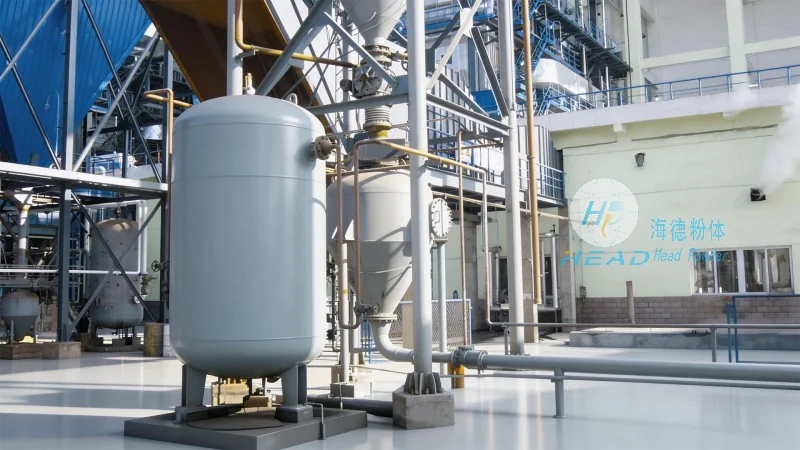
Shandong HeadPowder Engineering Co., Ltd., operating under the brand name headpowder, is a leading provider of specialized conveying solutions for powder materials. With a focus on innovation and customer-centric design, the company has developed advanced systems tailored to the unique needs of industries handling fine powders like graphite. Headpowder's expertise lies in creating efficient, reliable, and safe conveying lines that meet the highest standards of performance and quality. The company's facilities are located in Shandong, China, where it leverages local resources and expertise to deliver cutting-edge solutions to global markets.




