Food powder conveying lines are essential systems used in the food processing industry to transport bulk powders such as flour, sugar, and other dry ingredients from one location to another. These systems are designed to maintain product integrity, ensure hygiene compliance, and optimize operational efficiency. Understanding the components and design principles behind these lines is crucial for manufacturers seeking to enhance their production processes.
Key Components of Food Powder Conveying Systems
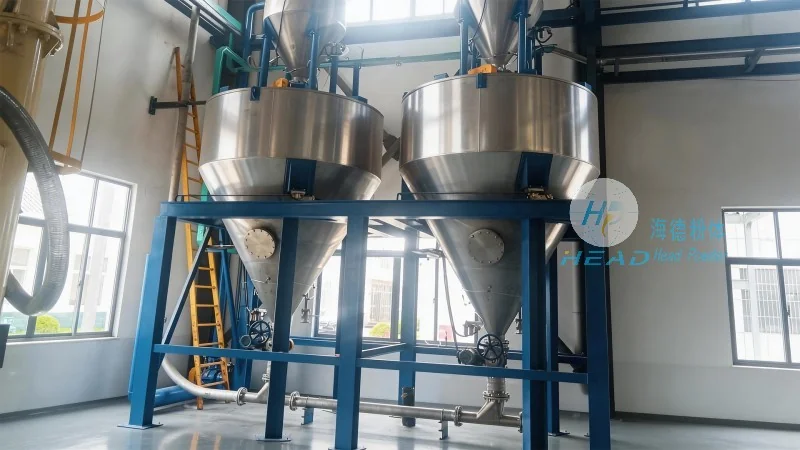
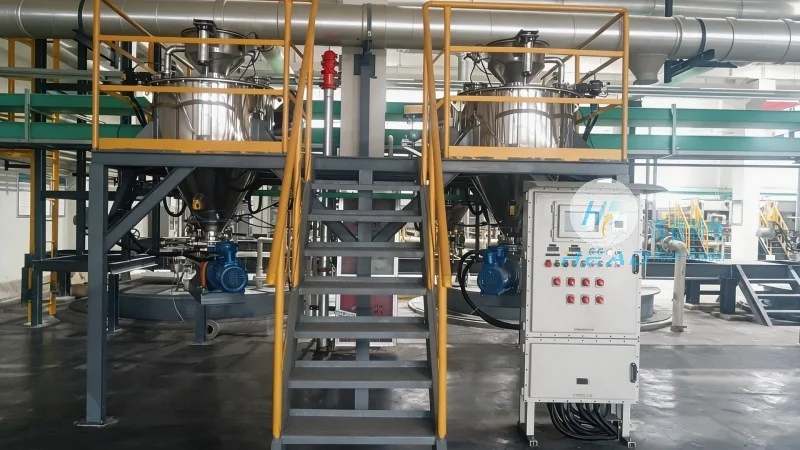
The core components of a food powder conveying line typically include hoppers for material storage, feeders to control the flow rate, conveying mechanisms (such as pneumatic or mechanical systems), and control panels for system management. Each component plays a critical role in ensuring smooth and reliable operation. For example, hoppers are designed to minimize material degradation by reducing exposure to air and moisture, while feeders regulate the amount of powder released to match the conveyor's capacity.
Design Principles for Efficient Food Powder Handling
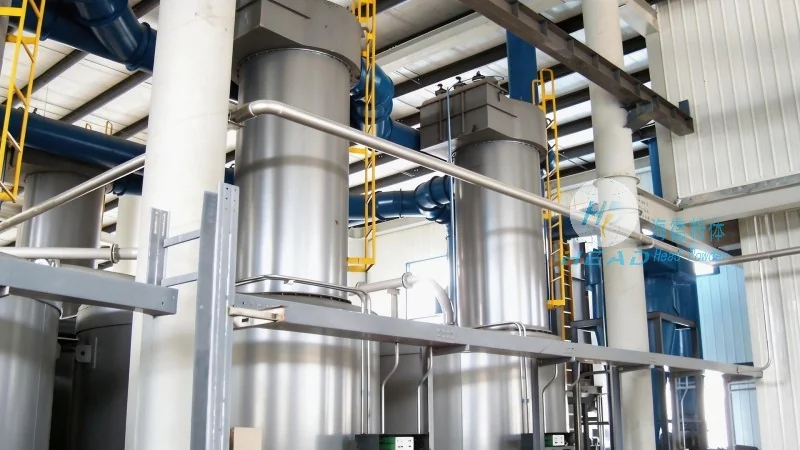
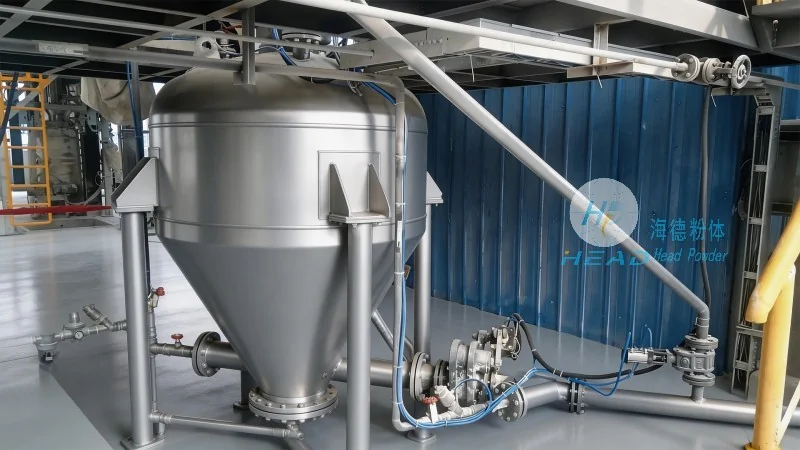
Design principles for food powder conveying lines focus on several key factors, including material properties, system efficiency, and safety. The choice of conveying method (e.g., pneumatic vs. mechanical) depends on the specific characteristics of the powder, such as particle size, moisture content, and flowability. Pneumatic systems are often preferred for fine powders due to their ability to handle high volumes and maintain low contamination risk, while mechanical systems like screw conveyors are suitable for bulkier materials.
The Role of Material Properties in Conveyor Design
Material properties, such as particle size distribution, density, and cohesive behavior, significantly impact the design of the conveying system. For instance, powders with high moisture content may require additional drying or conditioning steps to prevent caking or blockages. The design must also account for the potential for dust generation, as proper ventilation and filtration systems are essential to maintain a safe working environment.
Application Examples and Industry Standards
Food powder conveying lines are widely used in various food processing applications, including baking, confectionery, and dairy production. In a bakery, for example, a conveying line may transport flour from storage silos to mixing equipment, ensuring consistent ingredient delivery and reducing manual handling. Similarly, in a confectionery plant, sugar and cocoa powders are conveyed to production lines, where they are blended with other ingredients to create final products.
Conclusion and Company Information
Effective food powder conveying lines are critical to the success of food processing operations, as they enhance productivity, reduce labor costs, and improve product quality. HeadPowder Engineering Co., Ltd., based in Shandong, China, offers comprehensive solutions that address the specific challenges of food powder handling. By combining advanced engineering with a commitment to quality and compliance, the company helps food manufacturers achieve optimal performance and maintain industry standards.




