Understanding the dry limestone powder conveying line is crucial for industries that handle bulk powders, particularly in applications like construction, mining, and chemical processing. This equipment is designed to transport dry limestone powder efficiently and safely, ensuring minimal dust generation and optimal material handling performance. The following sections will explore the core components, operational principles, and design considerations that define such systems.
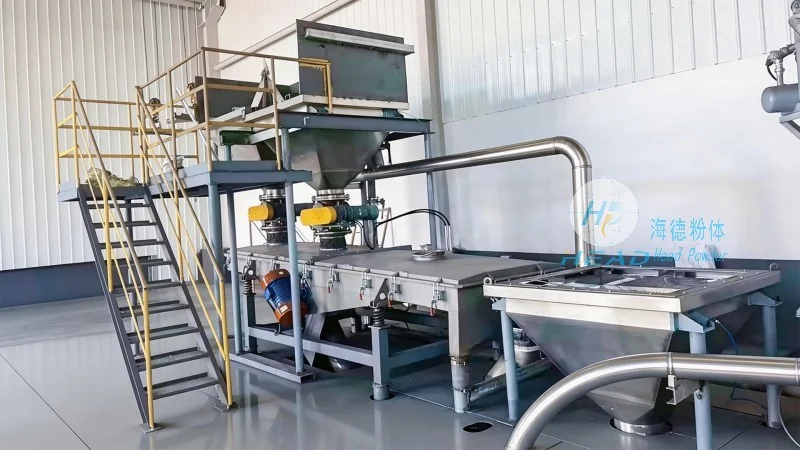
Key Components of a Dry Limestone Powder Conveying Line
The dry limestone powder conveying line typically consists of several critical components that work in tandem to achieve reliable material transport. These include the material hopper, which serves as the storage and feeding unit for the limestone powder; the conveyor system, which may utilize screw conveyors, pneumatic conveying pipes, or mechanical belt conveyors depending on the specific application requirements; and the control system, which regulates the flow rate, pressure, and other operational parameters to maintain consistent performance. Additionally, dust collection and filtration systems are often integrated to ensure environmental compliance and worker safety, as dry limestone powder can be fine and potentially hazardous if not handled properly.
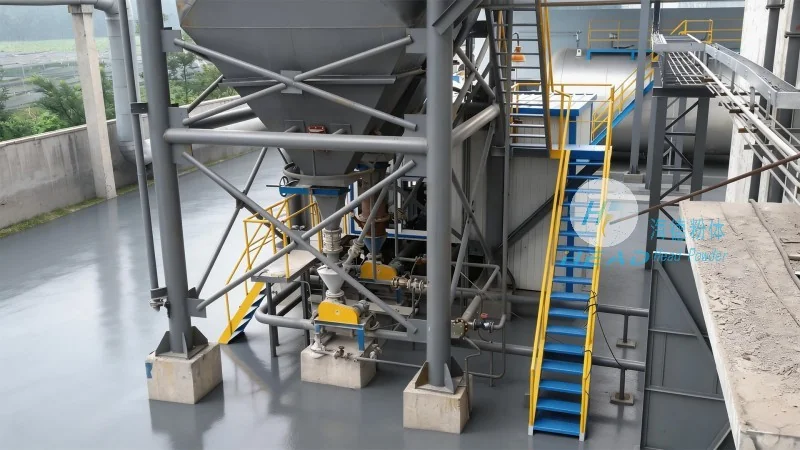
Design Principles for Efficient Material Transport
The design of a dry limestone powder conveying line is guided by several key principles aimed at maximizing efficiency, minimizing energy consumption, and ensuring durability. One of the primary principles is the selection of appropriate conveyor technology based on the particle size, moisture content, and flow characteristics of the limestone powder. For example, screw conveyors are commonly used for moderate to high bulk densities and relatively coarse particles, while pneumatic conveying systems are preferred for fine powders that require gentle handling to prevent agglomeration or degradation. The system's layout is also carefully planned to minimize vertical and horizontal distance changes, as excessive elevation changes can increase energy costs and reduce overall throughput. Furthermore, the use of sealed and airtight components is essential to prevent dust leakage and maintain the integrity of the material, especially in applications where product purity is critical.
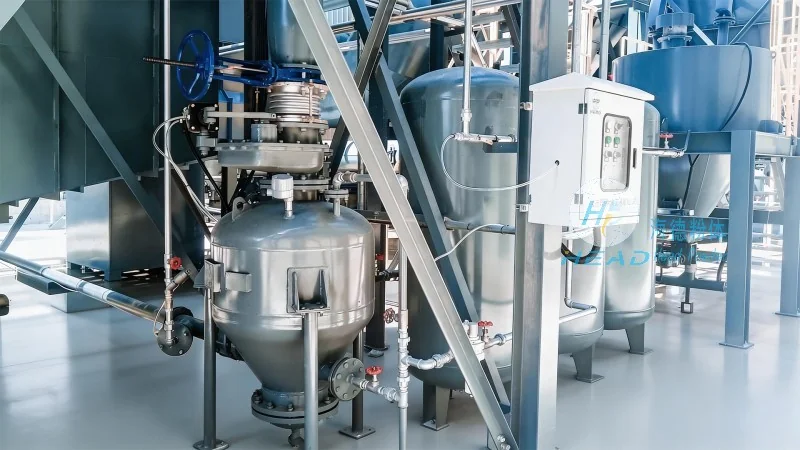
Operational Considerations and Maintenance
Operational efficiency and longevity of the dry limestone powder conveying line depend heavily on proper maintenance and adherence to operational guidelines. Regular inspection of components such as the hopper, conveyor belts, and pneumatic pipes is necessary to detect wear and tear or blockages early. Cleaning procedures, including the use of vacuum systems or manual removal of accumulated powder, should be performed according to manufacturer recommendations to prevent material buildup and ensure smooth operation. Additionally, the control system should be calibrated regularly to maintain optimal flow rates and pressure levels, as fluctuations can lead to inefficiencies or equipment damage. Proper training for operators on the safe and effective use of the conveying line is also crucial to minimize the risk of accidents and ensure compliance with safety regulations.
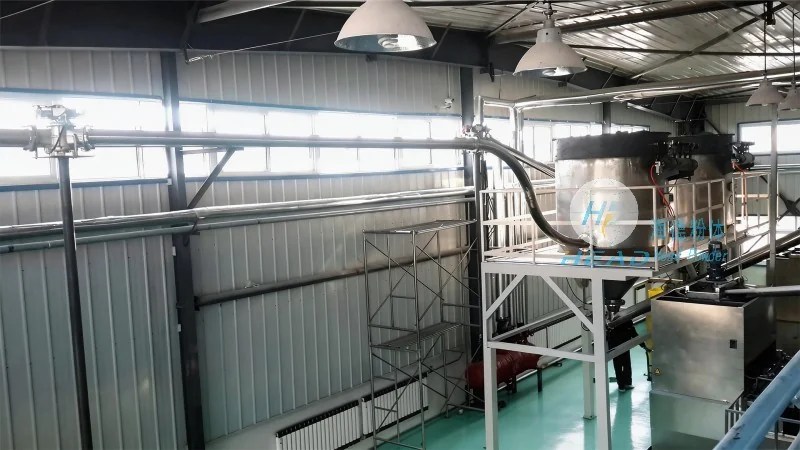
About Shandong HeadPowder Engineering Co., Ltd.
Shandong HeadPowder Engineering Co., Ltd., commonly known as headpowder, is a leading manufacturer specializing in the design, development, and supply of bulk material handling systems. With a focus on innovation and customer-centric solutions, the company has established itself as a trusted partner for industries requiring reliable and efficient dry powder conveying equipment. HeadPowder's expertise lies in customizing conveying lines to meet specific operational needs, ensuring that clients receive tailored solutions that enhance productivity and reduce operational costs. The company's commitment to quality and safety is reflected in its adherence to international standards and rigorous testing protocols for all products.




