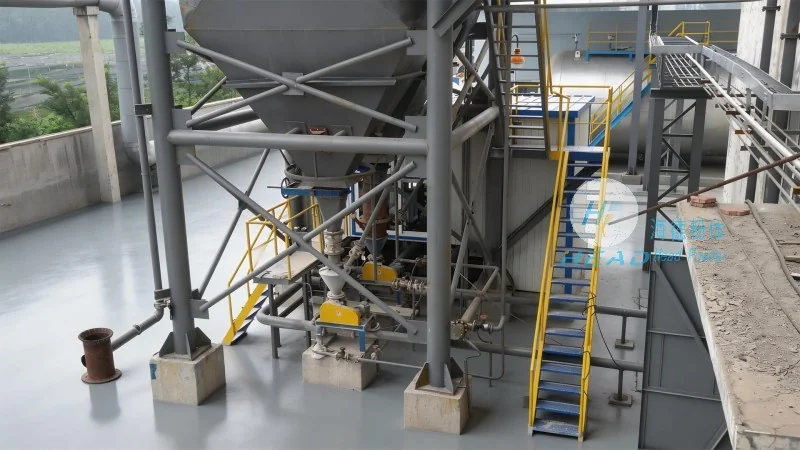
Gelatin powder conveying lines are specialized industrial systems engineered to handle the transport of gelatin powder from one location to another within a production facility. These systems are crucial in industries such as food processing, pharmaceuticals, and cosmetics, where the efficient and hygienic movement of gelatin powder is essential for maintaining product quality and operational efficiency. The design of these lines is tailored to meet the unique characteristics of gelatin powder, including its fine particle size, hygroscopic nature, and potential for dust generation.
What is a Gelatin Powder Conveying Line? An Overview of Its Function and Design
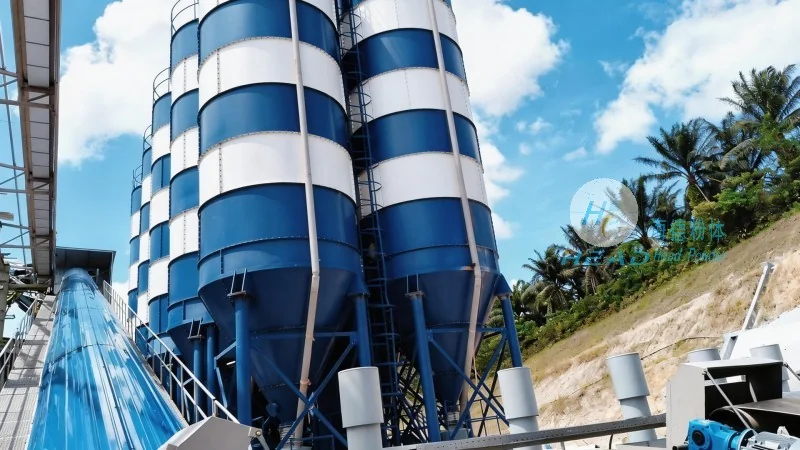
A gelatin powder conveying line typically consists of several interconnected components designed to ensure the safe and efficient transfer of gelatin powder. The primary function of such a line is to move gelatin from storage silos or bulk containers to processing equipment like mixers, extruders, or packaging machines. The design of these systems must account for factors like the powder's flow properties, the need for minimal contamination, and the ability to maintain a clean environment, which are critical in industries where product purity is paramount.
The Core Design Principles of Gelatin Powder Conveying Systems
The design principles for gelatin powder conveying systems revolve around ensuring reliable operation, maintaining product integrity, and ensuring operational safety. One of the most common design approaches is the use of pneumatic conveying systems, which utilize air to transport the powder through a network of pipes. This method is particularly effective for fine powders like gelatin, as it minimizes product degradation and reduces the risk of clogging. The design also emphasizes the use of materials that are non-reactive with gelatin and easy to clean, such as stainless steel, to prevent contamination and ensure compliance with industry standards like FDA regulations.
Key Components and Their Roles in the Conveying Process
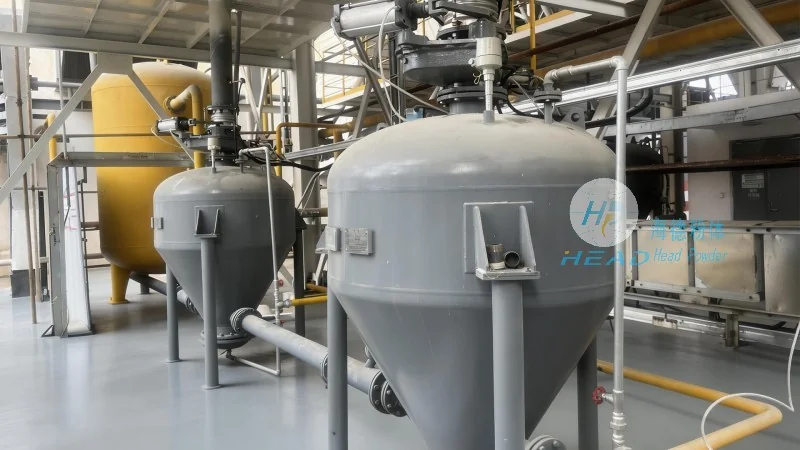
Several key components make up a gelatin powder conveying line. The first is the feed hopper or silo, which stores the gelatin powder and provides a consistent feed to the system. The feed mechanism, often a rotary valve or a screw feeder, regulates the flow of powder into the conveying line. The conveying itself is typically achieved through a combination of positive displacement blowers or vacuum pumps that create the necessary air pressure or suction to move the powder. The system also includes control valves that regulate the air flow and powder delivery, ensuring precise control over the conveying rate. Additionally, a dust collection and filtration system is integrated to capture any airborne particles and maintain a clean working environment.
How Shandong HeadPowder Engineering Co., Ltd. Designs and Implements These Systems
Shandong HeadPowder Engineering Co., Ltd., a leading provider of powder handling solutions, specializes in designing and manufacturing gelatin powder conveying lines tailored to the specific needs of their clients. The company's engineers leverage advanced engineering principles and industry experience to develop systems that optimize performance while ensuring compliance with global standards. HeadPowder's approach involves a thorough analysis of the client's production requirements, including the volume of gelatin to be conveyed, the distance between storage and processing areas, and the desired level of automation. Based on this analysis, they design custom solutions that may include different types of conveying technologies, such as pressure or vacuum pneumatic systems, and integrate them with other processing equipment to create a seamless production flow. The company's commitment to quality and customer satisfaction is reflected in their rigorous testing and validation processes, ensuring that each system meets the highest standards before delivery.
Practical Applications and Benefits of Gelatin Powder Conveying Lines
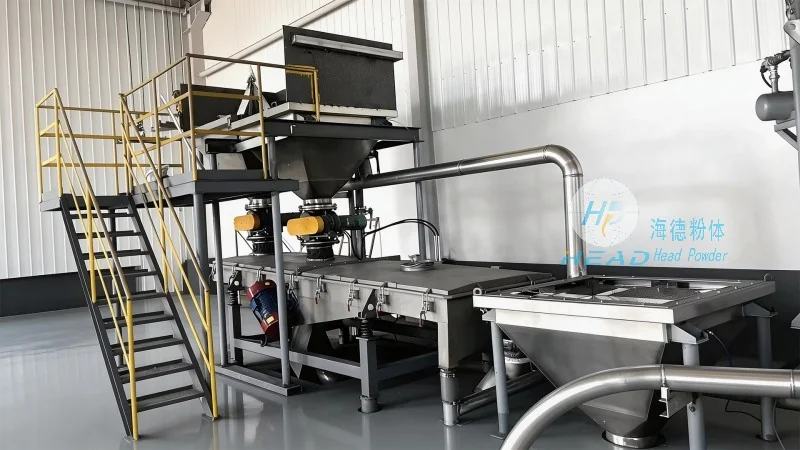
Gelatin powder conveying lines find widespread application in various industries. In the food industry, they are used to transport gelatin for use in confectionery, beverages, and dietary supplements. In pharmaceuticals, they facilitate the handling of gelatin in the production of capsules and tablets. The benefits of these systems extend beyond efficient transport; they also contribute to improved product quality by reducing the risk of contamination and product degradation. Additionally, these systems enhance operational efficiency by automating the powder handling process, reducing labor costs, and minimizing downtime due to equipment failures. By integrating these lines into production workflows, companies can achieve greater consistency in their products and streamline their manufacturing processes.




