Cement gray powder conveying lines are essential industrial systems designed to transport bulk cement and similar gray powders efficiently and reliably. These systems are critical in construction and manufacturing industries, ensuring that raw materials are moved from storage to processing areas with minimal loss and maximum safety. The design of such lines involves a combination of mechanical, pneumatic, and sometimes hydraulic components, tailored to handle the specific properties of cement and other fine powders.
Key Components of a Cement Gray Powder Conveying Line
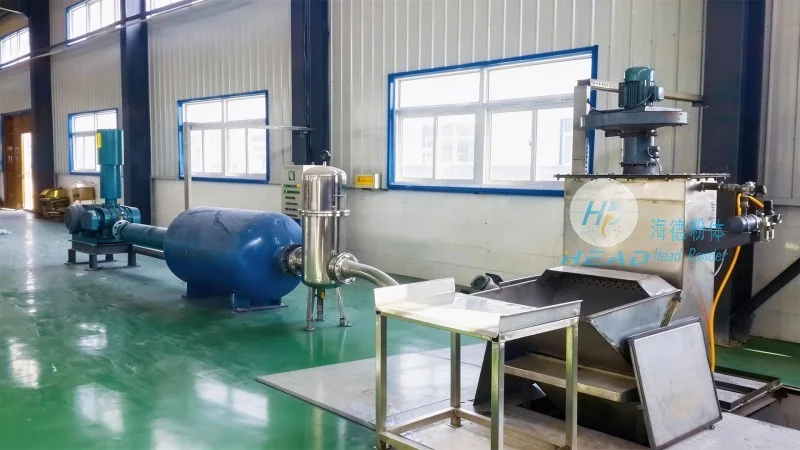
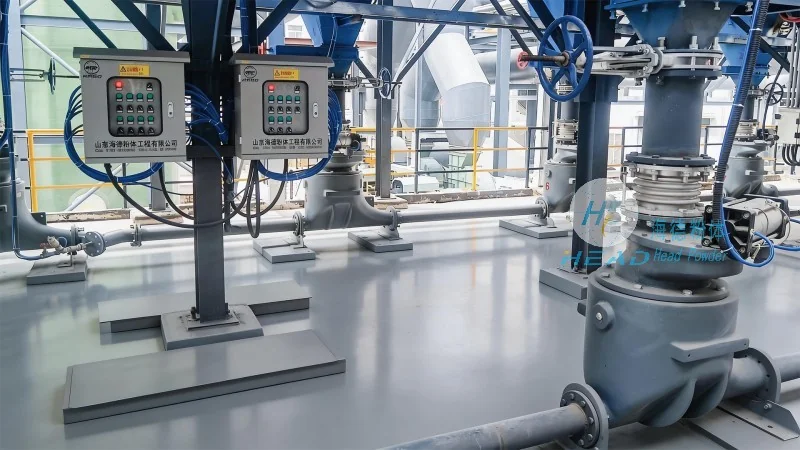
The core components of a cement gray powder conveying line typically include hoppers for material storage, feeders to control the flow rate, conveying mechanisms (such as screw conveyors, pneumatic ducts, or pneumatic blowers), and control systems to regulate operation. Hoppers are designed to minimize material segregation and maintain a consistent feed to the conveyor. Feeders, often screw or rotary types, ensure that the material is discharged at a controlled rate, preventing overloading or underloading of the conveying system. The conveying mechanism is the heart of the line, with options ranging from mechanical screw conveyors for low to medium capacity to pneumatic systems for high-capacity, long-distance transport. Control systems integrate sensors and valves to monitor pressure, flow, and temperature, providing real-time adjustments to maintain optimal performance.
Design Principles for Efficient Cement Gray Powder Conveying
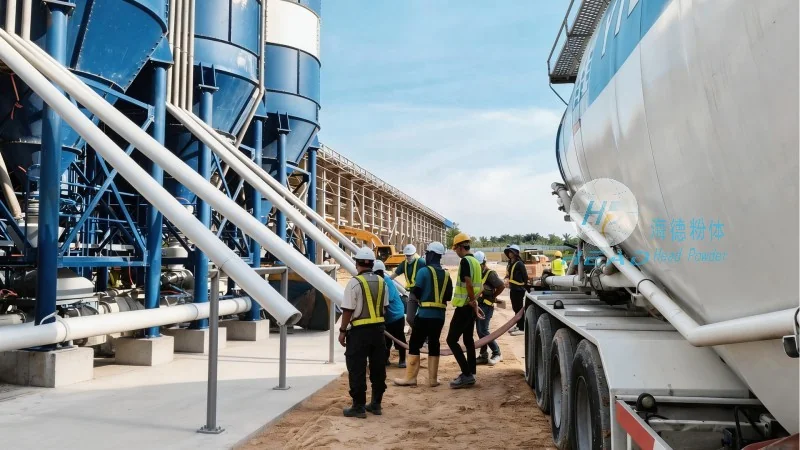
The design of a cement gray powder conveying line is guided by several key principles to ensure efficiency, reliability, and safety. First, the system must be designed to minimize material degradation and dust generation. Cement is a hygroscopic material, and exposure to moisture can lead to clumping and reduced quality. Therefore, the conveying line is often enclosed or equipped with dust suppression systems to maintain a dry environment. Second, the design considers the material's flow properties, including its angle of repose and compressibility, to ensure smooth movement through the system. This involves selecting appropriate hopper angles and feeder designs that prevent material bridging or rat-holing. Third, the system is engineered for scalability and adaptability, allowing for future expansion or integration with other processing equipment. The use of modular components enables easy maintenance and replacement of parts, reducing downtime and operational costs.
Operational Considerations and Maintenance
Operational efficiency of a cement gray powder conveying line depends on regular maintenance and adherence to best practices. Regular cleaning of hoppers, ducts, and feeders is essential to prevent material buildup, which can lead to blockages and reduced performance. The control system should be calibrated regularly to ensure accurate flow measurement and pressure monitoring. Additionally, the system should be equipped with safety features such as pressure relief valves and emergency shut-off mechanisms to prevent accidents. Proper training of operators on the system's operation and maintenance is crucial to maximize uptime and minimize operational risks.
Applications and Industry Impact
Cement gray powder conveying lines are widely used in various industries, including cement production, concrete manufacturing, and chemical processing. In cement plants, these systems transport raw materials such as limestone and clay from storage to grinding mills. In concrete plants, they move cement and other additives to batching and mixing equipment. The efficiency of the conveying line directly impacts the overall productivity of the facility, as delays in material transport can lead to bottlenecks in production. By ensuring a continuous and reliable supply of cement, these systems contribute to the smooth operation of construction projects and manufacturing processes.




