Light calcium powder conveying lines are specialized systems engineered to handle the transportation of light calcium powder, a common industrial material used in various applications such as plastics, coatings, and adhesives. These systems are crucial for ensuring efficient and reliable material flow in manufacturing processes, and understanding their design principles is essential for optimizing performance and minimizing operational issues.
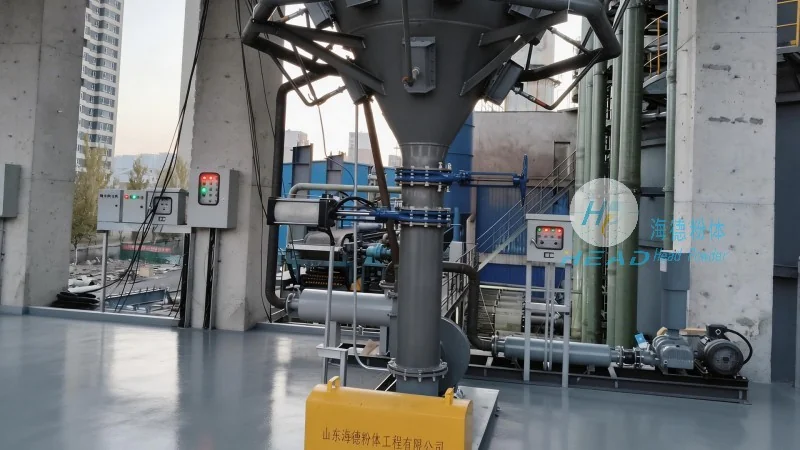
Introduction to Light Calcium Powder Conveying Lines
Light calcium powder, also known as precipitated calcium carbonate (PCC), is a fine, white powder with a relatively low bulk density. Its light weight and fine particle size make it challenging to transport compared to heavier or bulkier materials. Conveying lines for light calcium powder must be designed to address these challenges, ensuring that the material is moved without degradation, segregation, or excessive dust generation. The primary goal of such systems is to maintain the quality and consistency of the powder while achieving high throughput and low maintenance costs.
Key Components of a Light Calcium Powder Conveying Line
A typical light calcium powder conveying line consists of several key components that work in tandem to ensure efficient material handling. These components include feeders, conveyors, dust collection systems, and control units. Each component plays a critical role in the overall operation of the system.
Feeders
Feeders are responsible for accurately metering the light calcium powder from storage silos or hoppers into the conveying line. Common types of feeders used in these systems include rotary valves, screw feeders, and vibratory feeders. The choice of feeder depends on the specific characteristics of the powder, such as its flowability and bulk density. For light calcium powder, which can be prone to bridging or clogging, rotary valves are often preferred due to their ability to handle low-flow rates and maintain consistent material flow.
Conveyors
Conveyors are the core of the light calcium powder conveying line, responsible for transporting the powder from the feeder to the destination point, such as a processing machine or storage area. There are several types of conveyors suitable for light calcium powder, including pneumatic conveyors, belt conveyors, and bucket elevators. Pneumatic conveyors, particularly pressure or vacuum systems, are widely used for light calcium powder due to their ability to handle fine powders without the need for mechanical contact, thus minimizing particle degradation and wear.
Dust Collection Systems
Given the fine nature of light calcium powder, dust generation is a significant concern during transportation. Dust collection systems are essential to capture and remove airborne particles, ensuring a clean and safe working environment. These systems typically include cyclones, baghouses, or cartridge filters, which are designed to handle the specific properties of light calcium powder, such as its low density and fine particle size.
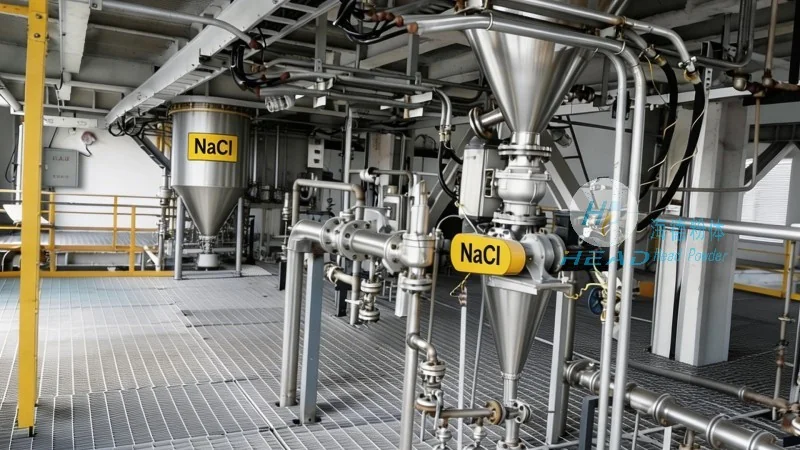
Control Units
Control units manage the operation of the entire conveying line, monitoring parameters such as flow rate, pressure, and temperature. Modern control systems often use sensors and automation to optimize performance, detect anomalies, and prevent system failures. This integration of technology enhances the reliability and efficiency of the light calcium powder conveying line.
Design Principles for Light Calcium Powder Conveying Lines
The design of a light calcium powder conveying line is guided by several key principles aimed at ensuring optimal performance and reliability. These principles include maintaining material integrity, minimizing segregation, controlling dust, and ensuring energy efficiency.
Maintaining Material Integrity
One of the primary design considerations is to preserve the quality of the light calcium powder. This involves preventing particle degradation, agglomeration, or contamination during transportation. The use of gentle handling methods, such as pneumatic conveyors with low-velocity air, and avoiding high-impact or abrasive surfaces helps to maintain the powder's properties. Additionally, proper sealing and contamination control measures are implemented to ensure the material remains pure throughout the conveying process.
Minimizing Segregation
Segregation, or the separation of particles based on size, density, or shape, is a common issue in powder handling. Light calcium powder, with its fine particle size, is particularly susceptible to segregation. Design principles to minimize segregation include using uniform particle size distribution, maintaining consistent flow rates, and avoiding high-velocity air streams that can cause particle separation. The use of mixers or agitators before the feeder can also help to break up any agglomerates and ensure a homogeneous material flow.
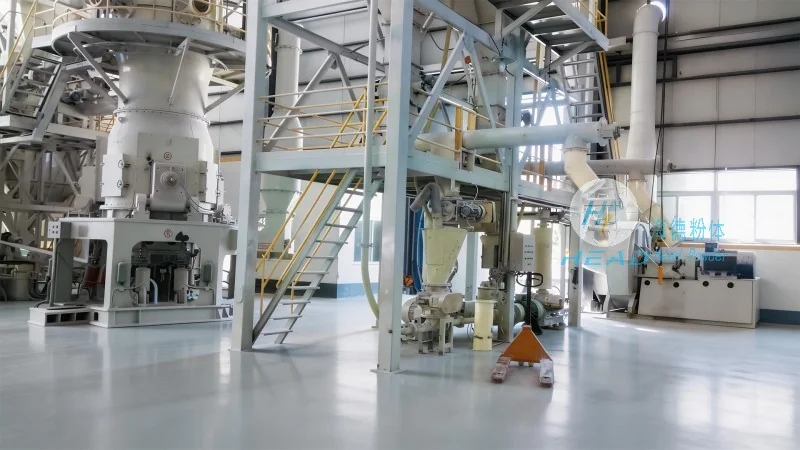
Controlling Dust and Airflow
Dust control is critical in light calcium powder conveying lines to protect both the environment and personnel. The design incorporates dust collection systems that efficiently capture airborne particles, preventing them from escaping into the workplace. The airflow within the system is carefully managed to ensure that the powder is conveyed without excessive turbulence, which can lead to increased dust generation. Proper sealing of components and the use of dust-tight connections are also essential to maintain a clean and safe operation.
Energy Efficiency
Energy efficiency is a key consideration in the design of light calcium powder conveying lines. This involves optimizing the conveyor speed, air pressure, and system layout to minimize energy consumption while maintaining the required throughput. Modern systems often use variable frequency drives (VFDs) to adjust the speed of motors based on the actual demand, reducing energy waste. Additionally, the use of efficient dust collection systems and proper maintenance schedules helps to ensure long-term energy efficiency.
Applications and Benefits of Light Calcium Powder Conveying Lines
Light calcium powder conveying lines are widely used in various industries, including plastics, coatings, adhesives, and paper manufacturing. The benefits of these systems include improved process efficiency, reduced material waste, and enhanced safety. By ensuring consistent and reliable material flow, these systems help manufacturers to maintain product quality and reduce downtime due to material handling issues.
About Shandong HeadPowder Engineering Co., Ltd.
Shandong HeadPowder Engineering Co., Ltd., commonly known as HeadPowder, is a leading provider of specialized powder handling equipment and systems. With a focus on innovation and customer satisfaction, HeadPowder has developed advanced light calcium powder conveying lines that meet the highest industry standards. The company's expertise in powder technology and engineering ensures that its products are tailored to the specific needs of each application, providing reliable and efficient solutions for material transportation.
HeadPowder is committed to delivering high-quality, durable, and energy-efficient conveying systems that enhance the performance of industrial processes. The company's products are designed to handle a wide range of powder characteristics, including light calcium powder, and are backed by comprehensive technical support and after-sales service. With a strong presence in China, HeadPowder serves clients globally, providing solutions that meet the evolving demands of the powder handling industry.




