Low-pressure pneumatic conveying systems represent a sophisticated and efficient method for transporting bulk materials over short to medium distances. This technology is widely used across various industries, including food processing, pharmaceuticals, and chemical manufacturing, due to its ability to handle a diverse range of materials while maintaining product integrity. The system operates by using a low-pressure air stream to move materials through a pipeline network, eliminating the need for mechanical components like conveyors or buckets that can cause contamination or material degradation. As a leading provider in this field, Shandong HeadPowder Engineering Co., Ltd. specializes in designing and manufacturing low-pressure pneumatic conveying systems tailored to meet the specific needs of different industries.
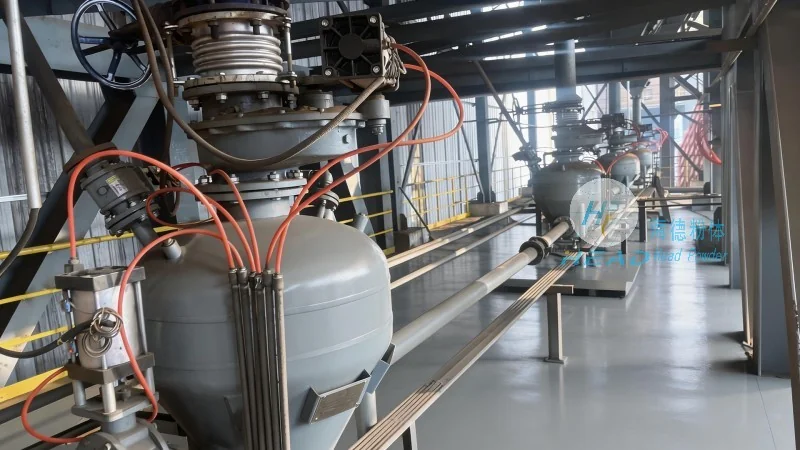
Understanding the Core Components of a Low-Pressure Pneumatic Conveying System
The fundamental components of a low-pressure pneumatic conveying system include a blower or fan to generate the air flow, a hopper or feeder to introduce the material, a pipeline system to transport the material-air mixture, and a receiver or discharge point to collect the material. The blower is typically a centrifugal or positive displacement type, designed to operate at pressures ranging from 0.5 to 2 bar, which is lower than high-pressure systems. This lower pressure reduces energy consumption and equipment wear, making it suitable for applications where material handling is less demanding.
The Design Principles Behind Low-Pressure Pneumatic Conveying
The design of a low-pressure pneumatic conveying system is governed by several key principles aimed at optimizing material transport efficiency and system reliability. One of the primary principles is the balance between air velocity and material velocity. The air velocity must be sufficient to lift and carry the material particles through the pipeline, while maintaining a stable flow without causing excessive pressure drops or material degradation. This is often achieved by adjusting the blower capacity and the pipeline diameter to match the material's properties, such as particle size, density, and moisture content.
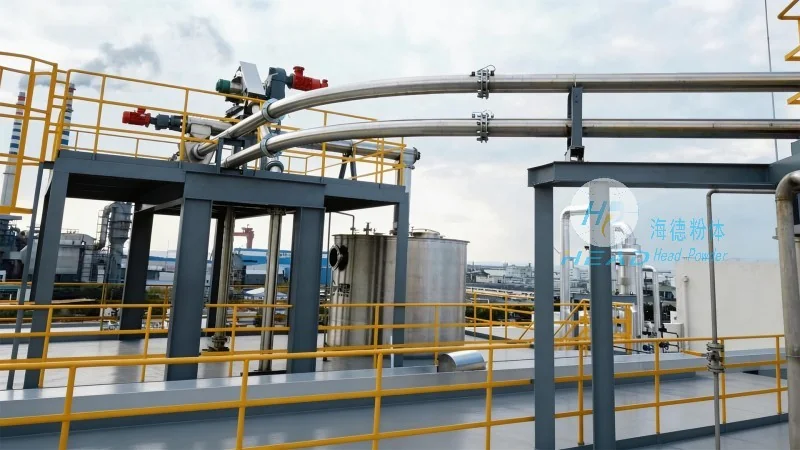
Another critical design principle is the system's ability to handle variations in material flow rates. Low-pressure systems are typically designed to operate at a constant air flow rate, with the material flow rate adjusted by the feeder or hopper. This allows for flexible operation, as the system can be scaled to accommodate different production volumes without significant modifications. The design also considers the need for proper air filtration and separation of the material from the air stream at the receiver end. This is essential to prevent material buildup in the system and to ensure that the discharged material is free from contaminants.
Key Features and Advantages of Low-Pressure Pneumatic Conveying Systems
Low-pressure pneumatic conveying systems offer several advantages over traditional mechanical conveying methods. One of the most significant benefits is the ability to transport materials in a closed system, which minimizes dust emissions and prevents contamination from external sources. This is particularly important in industries where product purity is critical, such as pharmaceuticals and food processing. Additionally, the system is highly flexible, allowing for easy integration with existing production lines and the ability to change the material handling route without major reconfigurations.
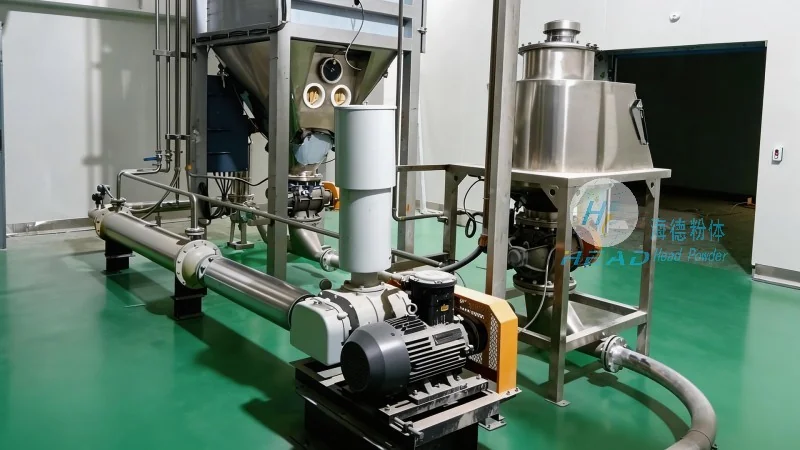
The low-pressure operation also reduces energy consumption compared to high-pressure systems, as the blower operates at lower pressures and speeds. This results in lower operational costs and a smaller environmental footprint. Furthermore, the system is relatively simple to maintain, with fewer moving parts compared to mechanical conveyors, which reduces downtime and maintenance expenses. The design also allows for the transportation of materials over longer distances, typically up to several hundred meters, making it suitable for medium-scale applications.
Applications and Industries Utilizing Low-Pressure Pneumatic Conveying
Low-pressure pneumatic conveying systems are widely used in various industries due to their versatility and efficiency. In the food industry, they are commonly used to transport dry powders such as flour, sugar, and cocoa powder, ensuring that the products remain fresh and free from contamination. In the pharmaceutical industry, the closed system design is crucial for maintaining the sterility of the materials, which is essential for drug manufacturing. The chemical industry also benefits from low-pressure systems for transporting bulk chemicals, such as powders and granules, while minimizing the risk of chemical exposure to operators.
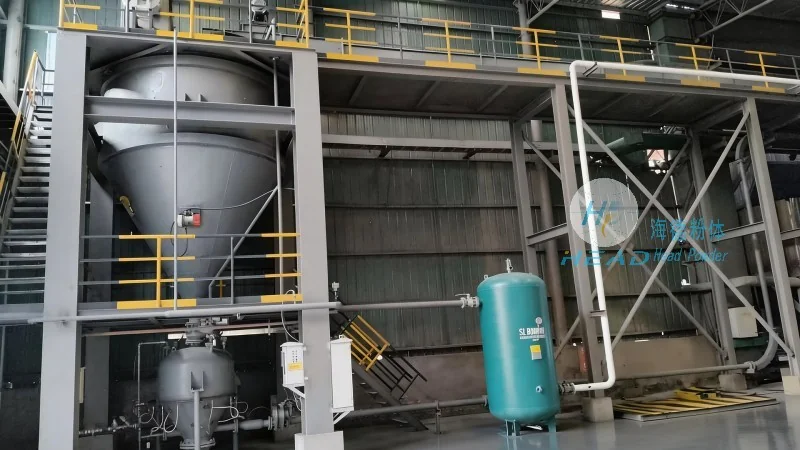
Other industries that utilize low-pressure pneumatic conveying include agriculture, where it is used to transport grain and other agricultural products, and mining, where it helps in the transport of ore and other bulk materials from processing plants. The system's ability to handle a wide range of materials makes it a popular choice for many applications, as it can be customized to meet specific operational requirements.
Conclusion: The Role of Low-Pressure Pneumatic Conveying Systems in Modern Material Handling
Low-pressure pneumatic conveying systems represent a reliable and efficient solution for bulk material handling in various industries. By understanding the design principles and key components of these systems, manufacturers can optimize their material transport processes, reduce costs, and improve product quality. The technology continues to evolve, with advancements in blower technology and material handling controls, making it an increasingly important part of modern industrial operations. As demand for efficient and clean material handling solutions grows, low-pressure pneumatic conveying systems are likely to remain a key component in the industry's future.




