Regenerated sand, as a critical material in the foundry industry, requires efficient and reliable transportation methods to ensure seamless production processes. The pneumatic conveying system for regenerated sand emerges as a modern solution that tackles the challenges of handling fine, abrasive materials while preserving system integrity and operational efficiency. Grasping the design principles behind such a system is essential for optimizing performance, minimizing downtime, and enhancing overall productivity in foundry operations.
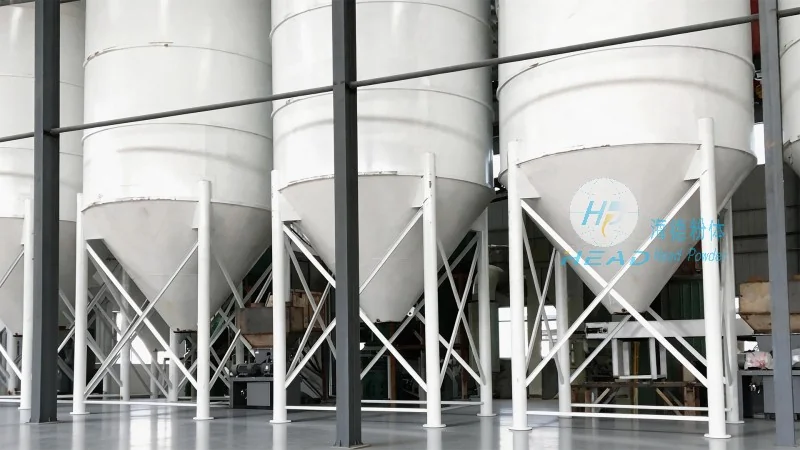
Overview of Regenerated Sand Pneumatic Conveying Systems
At the heart of a regenerated sand pneumatic conveying system lies the capability to transport sand particles through a pipeline using compressed air or other gas streams. This approach eliminates the need for traditional mechanical conveyors, which often endure wear and tear due to the abrasive nature of regenerated sand. The system typically comprises several key components, including a material hopper, a feeder, a conveying line, and a receiver or collection unit. Each component plays a vital role in the overall operation, ensuring that sand is moved from the storage area to the molding or casting stations with minimal loss and maximum efficiency.
Key Design Principles for Pneumatic Conveying
The design of a regenerated sand pneumatic conveying system is guided by several fundamental principles to ensure optimal performance. First, the system must accommodate the specific characteristics of regenerated sand, such as its particle size distribution, moisture content, and abrasiveness. This involves selecting appropriate materials for the conveying line, such as high-strength steel or specialized plastic components, to withstand the wear and corrosion caused by the sand particles. Second, the air velocity within the pipeline must be carefully controlled to prevent particle deposition and ensure consistent flow. The velocity is typically maintained at a level that balances efficient transport with minimized energy consumption and wear on system components.
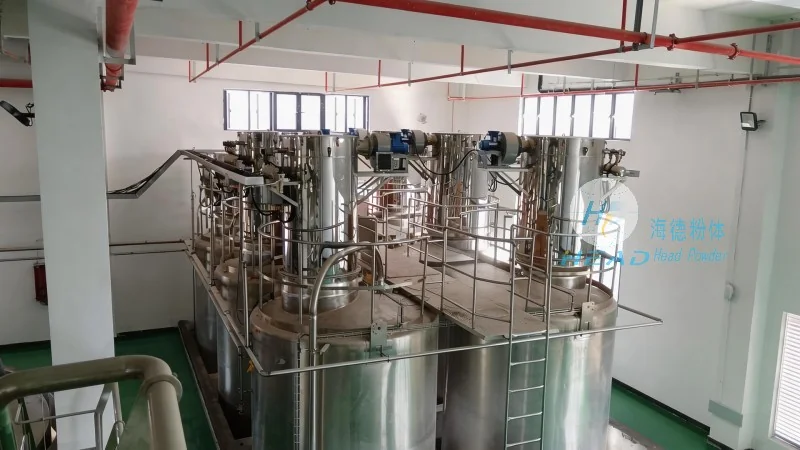
Third, the system design must consider the pressure requirements and the overall layout of the foundry facility. The conveying line may need to traverse vertical or horizontal distances, and the design must account for pressure and velocity changes along the pipeline. This often involves the use of expansion joints, bends, and pressure relief valves to manage dynamic forces and prevent system failures. Additionally, the system must incorporate proper filtration and cleaning mechanisms to maintain sand quality and prevent clogging of the conveying line.
Components and Their Functions
The effectiveness of a regenerated sand pneumatic conveying system relies on the proper integration of its components. The material hopper serves as the storage container, holding regenerated sand and providing consistent feed to the feeder. The feeder, often rotary or vibratory, regulates sand flow into the conveying line, ensuring steady and controlled discharge. The conveying line itself is the central part, transporting sand particles through the pipeline under pressure. The receiver or collection unit at the end collects sand, potentially including a storage bin or discharge mechanism for further use in the foundry process.
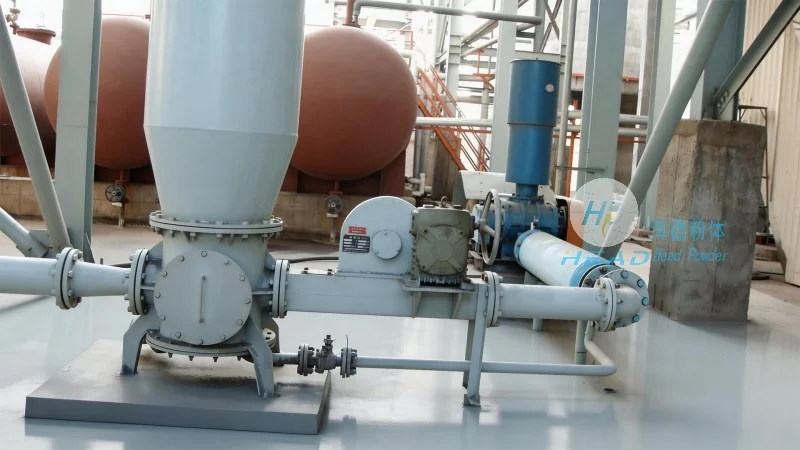
Compressed air or gas is supplied via a blower or compressor, generating necessary pressure to move sand particles. Air flow is controlled by valves and regulators to maintain desired velocity and pressure within the pipeline. The system may also include a dust collection system to capture airborne particles and prevent environmental contamination. Proper maintenance of these components is essential for long-term reliability and efficiency.
Benefits of Using Regenerated Sand Pneumatic Conveying Systems
Implementing a pneumatic conveying system for regenerated sand offers advantages over traditional methods. First, it reduces material loss and contamination, as sand is contained within the pipeline, improving molding sand quality and reducing reprocessing needs. Second, it minimizes labor costs and operational downtime, eliminating manual handling and reducing maintenance frequency due to wear. Third, pneumatic systems are more energy-efficient than mechanical conveyors, transporting materials over longer distances with less power consumption.
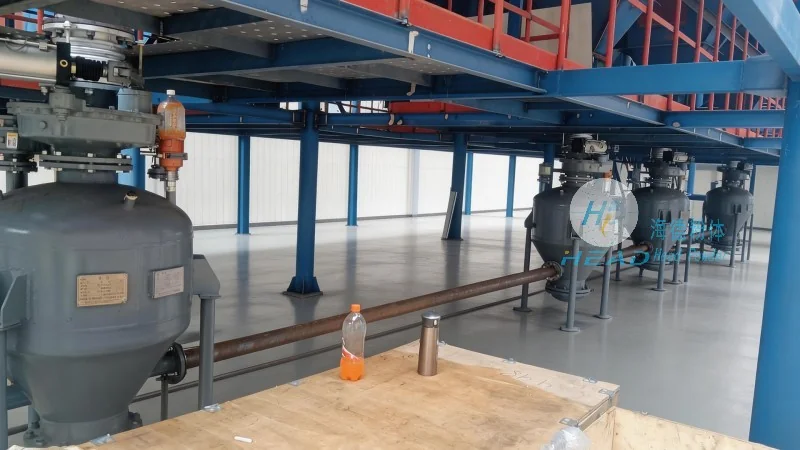
Furthermore, the design flexibility allows easy integration into existing foundry facilities, adapting to various production layouts. The system can be scaled or modified to accommodate production volume changes, with modular designs enabling upgrades as technology advances. Overall, adopting such systems enhances sustainability and competitiveness by optimizing material handling and reducing environmental impact.
About Shandong HeadPowder Engineering Co., Ltd.
Shandong HeadPowder Engineering Co., Ltd., a leading provider of foundry engineering solutions, specializes in designing, manufacturing, and installing pneumatic conveying systems for regenerated sand. With years of experience and a commitment to innovation, the company has developed advanced technologies to address the unique challenges of handling abrasive and fine materials. The team of engineers and technicians collaborates closely with clients to understand specific requirements and provide customized solutions. HeadPowder's systems are recognized for reliability, efficiency, and durability, ensuring long-term performance and low maintenance costs. The company’s headquarters is located in Shandong, China, where it continues to serve clients worldwide with high-quality engineering solutions.




