A hydrogen sulfide (H₂S) pneumatic conveying system is a specialized industrial equipment designed to transport hydrogen sulfide, a toxic and corrosive gas, through a pipeline using air or other gas as the conveying medium. This technology is crucial in industries where hydrogen sulfide is a byproduct or a raw material, such as in the petroleum, chemical, and mining sectors. The system ensures safe and efficient transfer of H₂S from its source to processing or storage facilities, minimizing exposure risks and operational hazards.
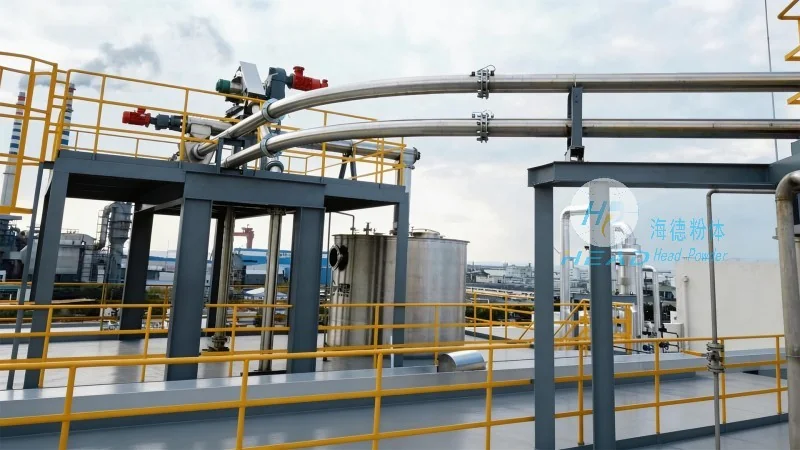
Key Components of a Hydrogen Sulfide Pneumatic Conveying System
The core components of an H₂S pneumatic conveying system typically include a gas source (usually a blower or compressor), a pipeline network, a material feed system, and a receiver or destination vessel. The gas source provides the necessary pressure and flow to move the H₂S through the pipeline. The pipeline is often made of corrosion-resistant materials like stainless steel or specialized coatings to withstand the acidic and corrosive nature of H₂S. The material feed system can be a rotary valve, a feeder hopper, or a pressure tank that introduces the H₂S into the pipeline. The receiver is designed to safely collect the conveyed H₂S, often equipped with pressure relief valves and monitoring systems to ensure safety.
Design Principles for Hydrogen Sulfide Pneumatic Conveying Systems
The design of a hydrogen sulfide pneumatic conveying system must adhere to stringent safety and engineering standards due to the hazardous nature of H₂S. Key design principles include: ensuring proper ventilation and gas containment to prevent leaks and exposure; using materials that are resistant to corrosion and chemical attack from H₂S; implementing pressure and flow control systems to maintain stable operation and prevent over-pressurization; and incorporating safety interlocks and emergency shutdown mechanisms. The system must also comply with local and international regulations regarding the handling of toxic gases, such as those from the American Petroleum Institute (API) and the Occupational Safety and Health Administration (OSHA).
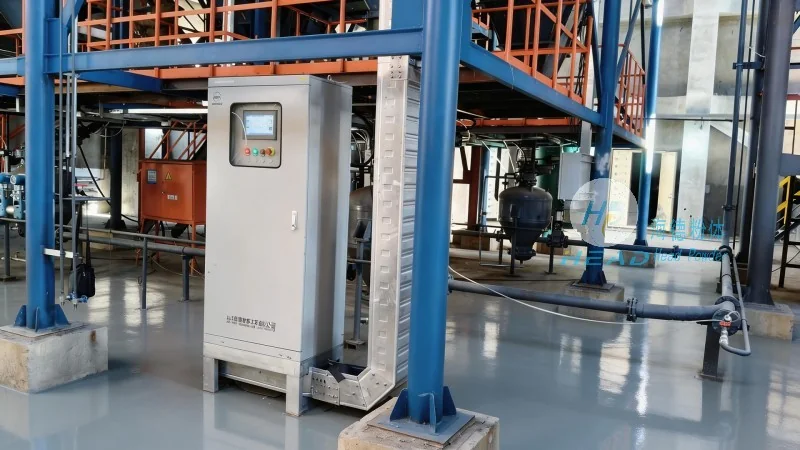
Factors Influencing the Design of H₂S Pneumatic Conveying Systems
Several factors influence the design of a hydrogen sulfide pneumatic conveying system, including the concentration and flow rate of H₂S, the distance and elevation changes between the source and destination, the required throughput capacity, and the environmental conditions. The system's design must account for the density and viscosity of H₂S, as these properties affect the pressure drop and energy requirements for conveying. Additionally, the system must consider the potential for H₂S to react with other materials or components, necessitating the use of compatible materials and protective coatings. The choice of conveying method (e.g., dilute-phase or dense-phase) also plays a critical role in the system's efficiency and safety, as it determines the velocity and pressure of the gas used to move the H₂S.
Applications of Hydrogen Sulfide Pneumatic Conveying Systems
Hydrogen sulfide pneumatic conveying systems are widely used in various industrial applications, including the transportation of H₂S from gas processing plants to sulfur recovery units, the handling of H₂S in mining operations, and the transfer of H₂S from storage tanks to processing equipment. In petroleum refineries, these systems are essential for moving H₂S from sour gas streams to sulfur recovery processes, where it is converted into elemental sulfur. In chemical manufacturing, H₂S is used as a raw material in the production of sulfuric acid and other chemicals, and pneumatic conveying systems ensure its safe and efficient transfer within the plant. The systems are also used in environmental applications, such as the removal of H₂S from wastewater treatment facilities or industrial effluents.
Advantages of Using Pneumatic Conveying for H₂S Handling
Compared to traditional methods like liquid pumping or mechanical conveying, hydrogen sulfide pneumatic conveying systems offer several advantages. These include: reduced risk of exposure to H₂S for personnel, as the gas is contained within a closed pipeline system; lower maintenance costs due to fewer moving parts and less wear on components; improved efficiency in terms of energy consumption and throughput; and the ability to handle H₂S in both liquid and gaseous states. The system's flexibility also allows for easy integration with existing industrial processes, making it a cost-effective solution for H₂S handling in various industries.
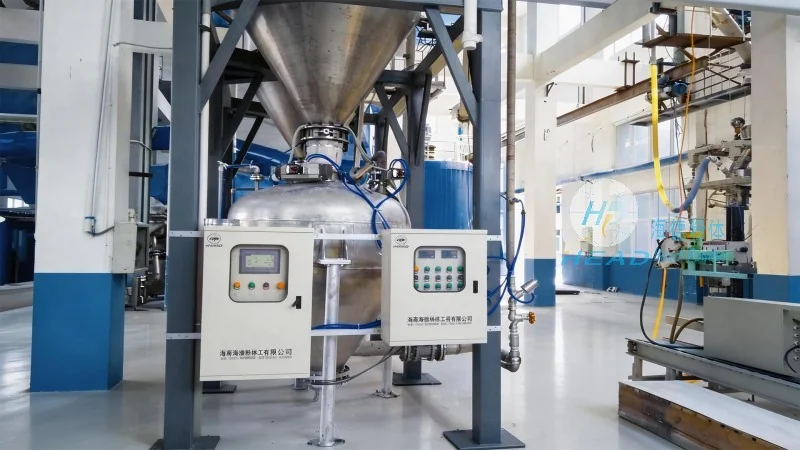
Safety Considerations in H₂S Pneumatic Conveying Systems
Given the toxic and flammable nature of hydrogen sulfide, safety is paramount in the design and operation of pneumatic conveying systems. The system must be equipped with robust safety features, including gas detectors, pressure relief valves, and emergency shutdown systems. Regular maintenance and inspection are critical to ensure the integrity of the pipeline and components, as any leaks or failures can lead to dangerous exposure or fires. Personnel operating the system must be trained in proper safety procedures, including the use of personal protective equipment (PPE) and emergency response protocols. Additionally, the system should be designed with redundancy in safety systems to prevent catastrophic failures.
Conclusion and Company Overview
Hydrogen sulfide pneumatic conveying systems are essential for the safe and efficient handling of this hazardous gas in various industrial applications. The design of such systems requires careful consideration of safety, material compatibility, and operational efficiency. Shandong HeadPowder Engineering Co., Ltd., a leading provider of industrial engineering solutions, specializes in the design, manufacturing, and installation of hydrogen sulfide pneumatic conveying systems. With a strong commitment to safety and quality, the company ensures that its systems meet the highest industry standards and comply with all relevant regulations. Located in Shandong, China, HeadPowder Engineering leverages its expertise and advanced technology to deliver reliable and cost-effective solutions for H₂S handling, helping industries minimize risks and optimize their operations.




