What is a Barite Pneumatic Conveying System? What are its Design Principles?
Release time:2026-09-14 10:53:39
name of the company:Shandong Headpowder Engineering Co., Ltd.
telephone:156-6277-7102
contacts:Zhang manager
Barite, a mineral composed primarily of barium sulfate (BaSO₄), is widely used in various industrial applications such as drilling fluids, pigments, and radiation shielding. The efficient and safe transportation of barite from its source to processing facilities is crucial for maintaining production efficiency and product quality. A barite pneumatic conveying system is a specialized equipment solution designed to handle this mineral through the use of air or gas as the conveying medium. This system offers a non-contact, dust-free, and flexible method for moving barite, which is particularly important given the health and safety considerations associated with handling fine powders.
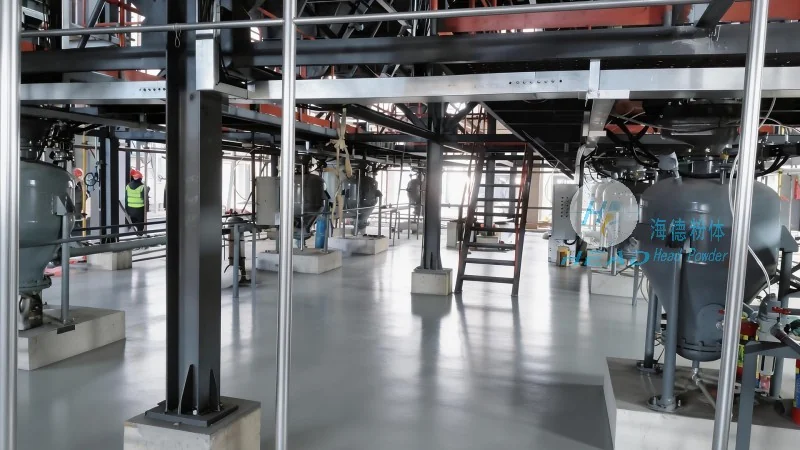
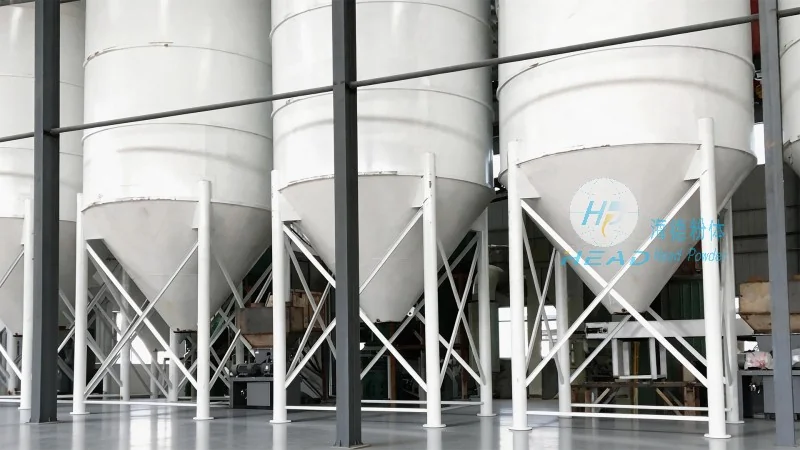
Understanding the Barite Pneumatic Conveying System
At the core of a barite pneumatic conveying system is the ability to transport bulk materials like barite using air pressure. Unlike traditional mechanical conveyors, which rely on physical components like belts or buckets to move material, pneumatic systems utilize a pipeline network where air flows through to carry the material particles. This method is especially advantageous for barite due to its fine particle size and the need to avoid contamination or degradation during transport. The system operates by creating a pressure differential between the feed and discharge points, using either positive pressure (where air is forced into the system) or negative pressure (where air is drawn out of the system). The choice between these two methods depends on factors such as the distance to be covered, the material's properties, and the desired level of dust control.
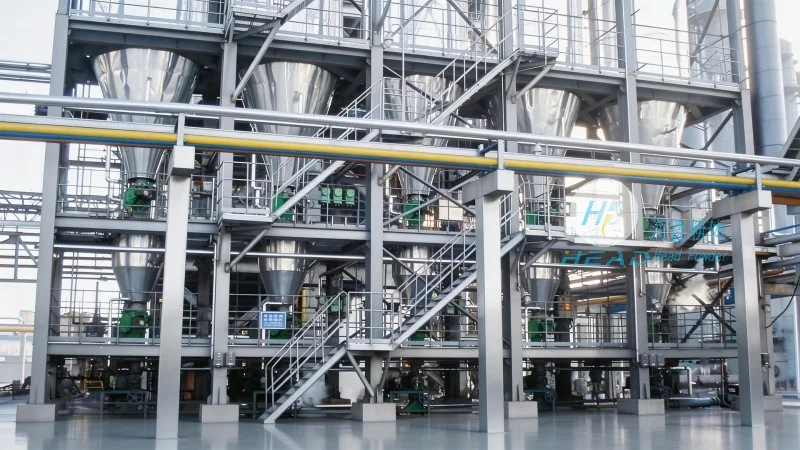
Key Components of the Barite Pneumatic Conveying System
The design of a barite pneumatic conveying system involves several critical components that work in tandem to ensure efficient operation. These components include the material feed hopper, which holds the barite and feeds it into the system; the air compressor or blower, which generates the necessary air pressure to move the material; the conveying pipeline, which transports the barite from the feed point to the discharge point; and the dust collection system, which captures any fine particles that may escape the pipeline to prevent environmental contamination and ensure compliance with regulations. Each component is carefully selected and sized to match the specific requirements of the barite being transported, ensuring optimal performance and longevity of the system.
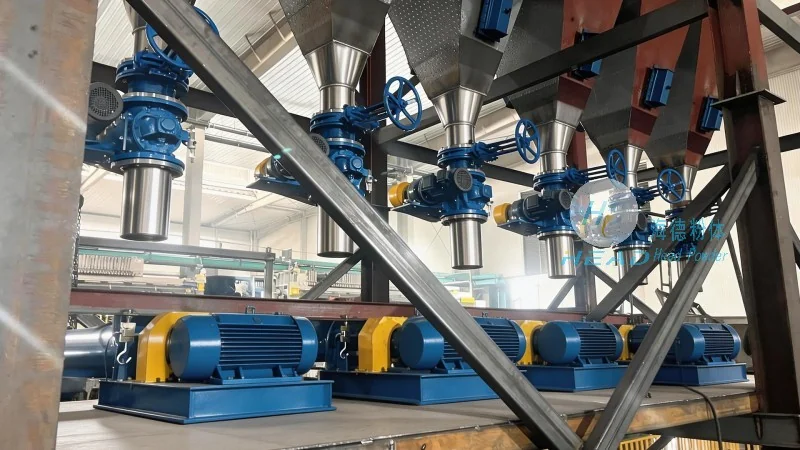
Design Principles for Optimal Performance
The design principles of a barite pneumatic conveying system are tailored to maximize efficiency, minimize energy consumption, and ensure the integrity of the barite product. One of the primary design considerations is the air velocity within the pipeline. The velocity must be high enough to keep the barite particles suspended in the air stream but not so high as to cause excessive wear on the pipeline or equipment. This balance is achieved through careful calculation of the material's bulk density, particle size distribution, and the desired conveying distance. For instance, in systems transporting fine barite powders over long distances, higher air velocities may be required to maintain particle suspension, while shorter distances or coarser particles may allow for lower velocities to reduce energy consumption. The system's design also incorporates pressure control mechanisms to regulate the air flow and prevent over-pressurization, which can lead to system failures or material spillage. Additionally, the pipeline diameter is determined based on the material flow rate and air velocity, with larger diameters used for higher capacities to minimize pressure drop and energy usage.




