Regenerated sand, also known as reclaimed sand, is a critical material in the foundry industry. Its efficient handling and transportation are essential for maintaining production efficiency and quality. A pneumatic conveying system is a common method for transporting regenerative sand, offering advantages such as low maintenance, minimal space requirements, and the ability to handle abrasive materials. This article explores the concept of a regenerated sand pneumatic conveying system and its underlying design principles, presented by Shandong HeadPowder Engineering Co., Ltd., a leading provider of material handling solutions in China.
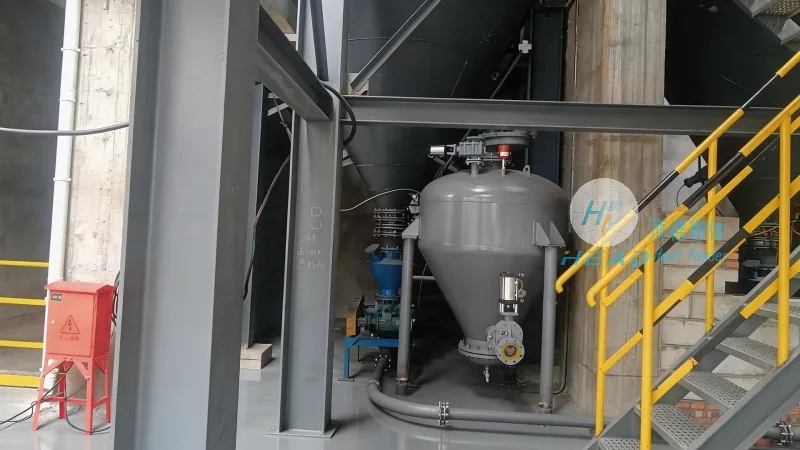
Understanding Regenerated Sand and Its Importance
Regenerated sand, or reclaimed sand, is the sand that has been used in the casting process and then cleaned and reconditioned for reuse. This process is vital for reducing material costs and minimizing environmental impact. The quality of regenerated sand directly affects the quality of the final castings. Therefore, an efficient system for conveying this material is crucial. Traditional methods like belt conveyors or bucket elevators may not be suitable for handling fine, abrasive regenerative sand due to issues like material buildup and wear. Pneumatic conveying systems address these challenges effectively.
Introduction to Pneumatic Conveying Systems
A pneumatic conveying system uses air or gas to transport bulk materials through a pipeline. This method is particularly effective for transporting regenerative sand because it can handle fine particles and abrasive materials without significant wear on the system components. The system typically consists of a hopper for material storage, a blower or compressor to generate the air flow, a pipeline network, and a discharge point. The choice of system design depends on factors such as the material characteristics, distance of transport, and required flow rate.
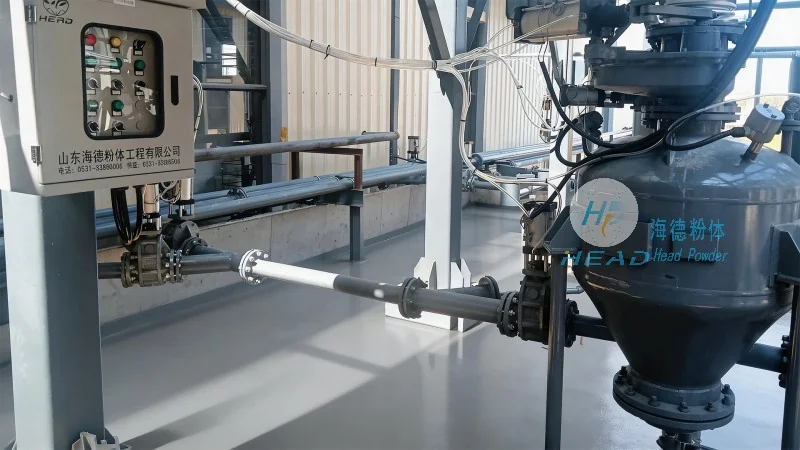
Design Principles of Regenerated Sand Pneumatic Conveying Systems
The design of a regenerated sand pneumatic conveying system involves several key principles to ensure efficient and reliable operation. First, the system must be capable of handling the specific properties of regenerative sand, including its particle size, moisture content, and abrasiveness. The pipeline material and internal components must be selected to withstand the abrasive nature of the sand, often using materials like stainless steel or special alloys. Second, the air flow rate and pressure must be optimized to achieve the desired conveying velocity. The velocity must be high enough to prevent material settling in the pipeline but low enough to avoid excessive wear and energy consumption. Third, the system should include features for controlling the flow, such as flow meters and pressure sensors, to ensure consistent operation and prevent blockages. Additionally, the system design should consider the need for cleaning and maintenance, as regenerative sand can be difficult to clean from system components.
Components and Their Functions
A typical regenerated sand pneumatic conveying system includes several key components. The hopper is used to store the regenerative sand and feed it into the system. The blower or compressor provides the necessary air pressure to move the material through the pipeline. The pipeline network connects the hopper to the discharge point and may include bends, elbows, and expansion joints to accommodate changes in direction and flow. The discharge point is where the sand is released from the system, often into a storage bin or directly into the casting process. The system may also include filters and cyclones to separate any fine particles from the air stream, ensuring that the air is clean and can be reused or discharged safely.
Advantages of Using a Pneumatic Conveying System for Regenerated Sand
There are several advantages to using a pneumatic conveying system for transporting regenerative sand. One of the main advantages is the ability to handle abrasive materials without significant wear on the system components. This reduces maintenance costs and extends the system's lifespan, a benefit highlighted by Shandong HeadPowder Engineering Co., Ltd. in their design and implementation of such systems. Another advantage is the low space requirement, as the system can be installed in a compact area compared to traditional conveyor systems. The system also offers flexibility in terms of layout, as the pipeline can be arranged to follow the production line's layout. Additionally, pneumatic conveying systems can be designed to operate continuously, ensuring a steady supply of regenerative sand to the casting process. This improves production efficiency and reduces downtime, which are key goals for foundry operations.
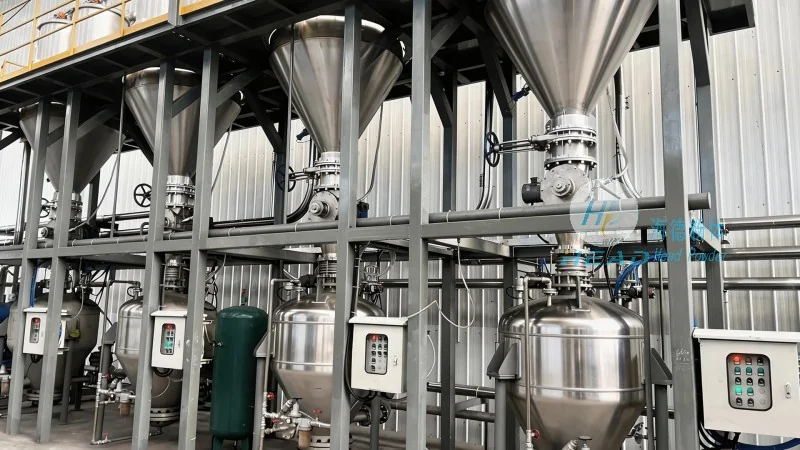
Considerations for System Design and Installation
When designing and installing a regenerated sand pneumatic conveying system, several factors must be considered. The first consideration is the material characteristics of the regenerative sand, including its particle size distribution, moisture content, and abrasiveness. These factors will determine the system's design, such as the pipeline diameter, air flow rate, and component materials. The second consideration is the distance and layout of the transport path. The system must be designed to handle the required distance efficiently, with appropriate bends and fittings to minimize pressure loss. The third consideration is the environmental impact. The system should include features to control dust and noise, ensuring compliance with environmental regulations. Finally, the system should be designed for easy maintenance and cleaning, as regenerative sand can be difficult to remove from system components.
Conclusion
A regenerated sand pneumatic conveying system is an efficient and effective method for transporting regenerative sand in the foundry industry. By understanding the design principles and components of such a system, manufacturers can ensure optimal performance and reliability. The system's ability to handle abrasive materials, low maintenance requirements, and flexibility in layout make it a popular choice for many foundry operations. As the foundry industry continues to focus on cost reduction and environmental sustainability, the use of efficient material handling systems like pneumatic conveying will remain essential. Shandong HeadPowder Engineering Co., Ltd. specializes in providing tailored solutions that meet the specific needs of foundry operations, ensuring that regenerative sand is handled safely and efficiently.




