Calcium chloride is a widely used chemical in various industrial applications, including de-icing, cooling systems, and as a desiccant. The efficient and safe transportation of calcium chloride from production sites to end-use locations is crucial for maintaining operational efficiency and product quality. This article explores the concept of a calcium chloride pneumatic conveying system, detailing its design principles and the technical considerations that underpin its effective operation.
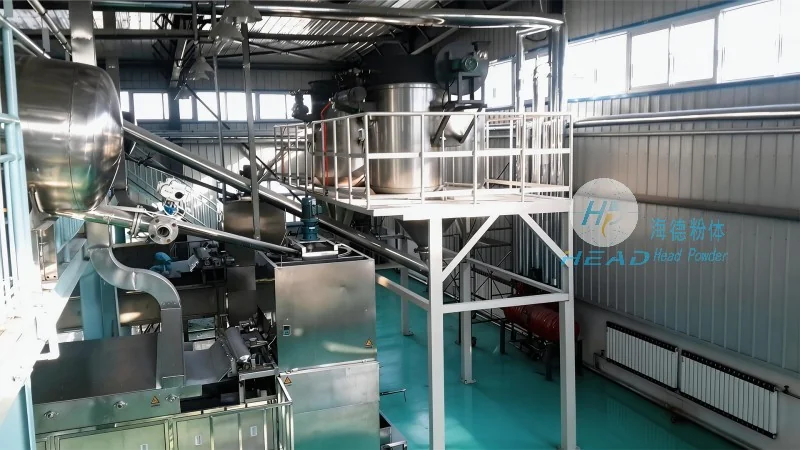
Introduction to Calcium Chloride Pneumatic Conveying Systems
A calcium chloride pneumatic conveying system is a method of transporting calcium chloride powder or granules through a pipeline using a pressurized air or gas stream. This technology offers several advantages over traditional bulk material handling methods, such as reduced equipment wear, minimal product contamination, and the ability to handle materials in a dust-free environment. The system typically consists of a feeding hopper, a conveying line, a receiver, and a control system, all working in tandem to ensure smooth and reliable material transport.
HeadPowder Engineering: Your Partner in Pneumatic Conveying Solutions
Shandong HeadPowder Engineering Co., Ltd., based in Shandong, China, is a leading provider of specialized engineering solutions for bulk material handling. With years of experience in the industry, HeadPowder has developed expertise in designing and manufacturing pneumatic conveying systems tailored to the unique requirements of calcium chloride and other chemical powders. The company’s commitment to quality, safety, and innovation has made it a trusted name in the field of material handling technology.
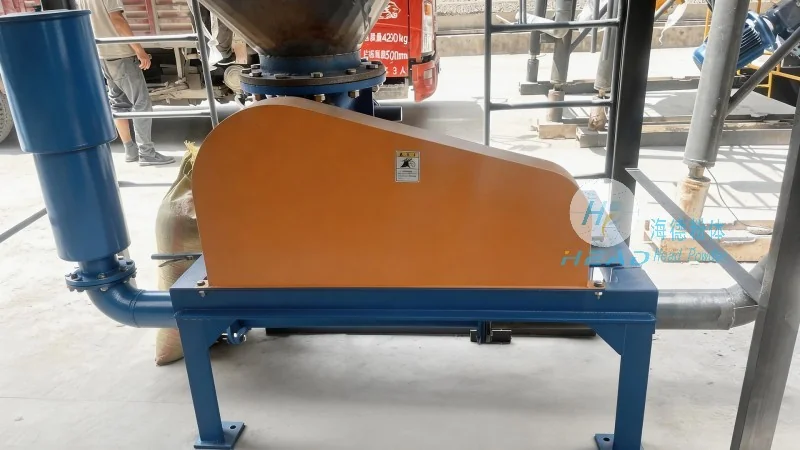
Core Components and Their Functions
The design of a calcium chloride pneumatic conveying system relies on several key components, each playing a critical role in the overall operation. The feeding hopper is responsible for storing and metering the calcium chloride material, ensuring a consistent flow into the conveying line. The conveying line, usually made of corrosion-resistant materials such as stainless steel or special plastics, transports the material under pressure. The receiver, where the material is deposited, is designed to handle the pressure and prevent spillage. The control system manages the pressure, flow rate, and other operational parameters to maintain optimal performance.
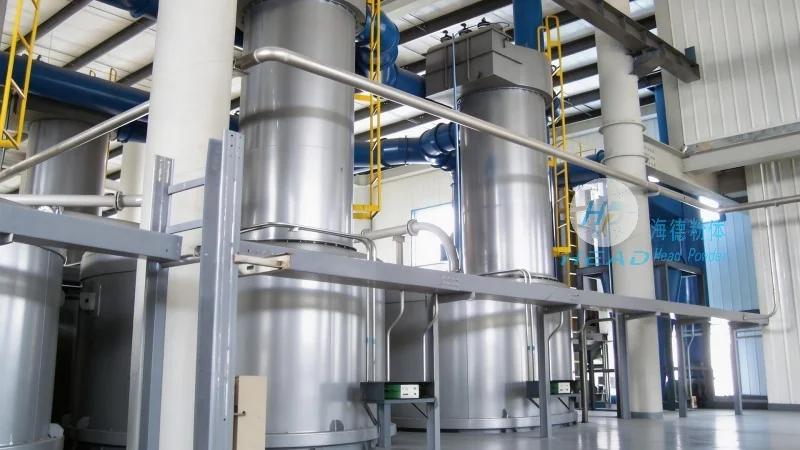
Design Principles for Efficient Operation
Effective design of a calcium chloride pneumatic conveying system involves careful consideration of several factors to ensure efficiency, reliability, and safety. The system must be designed to handle the specific properties of calcium chloride, including its moisture content, particle size distribution, and potential for caking or agglomeration. The choice of air or gas as the conveying medium depends on the material’s characteristics and the required conveying distance. The pressure and velocity of the air stream are critical parameters that must be optimized to prevent material degradation and equipment wear. Additionally, the system must incorporate features such as filters and moisture control to maintain product quality and prevent system blockages.
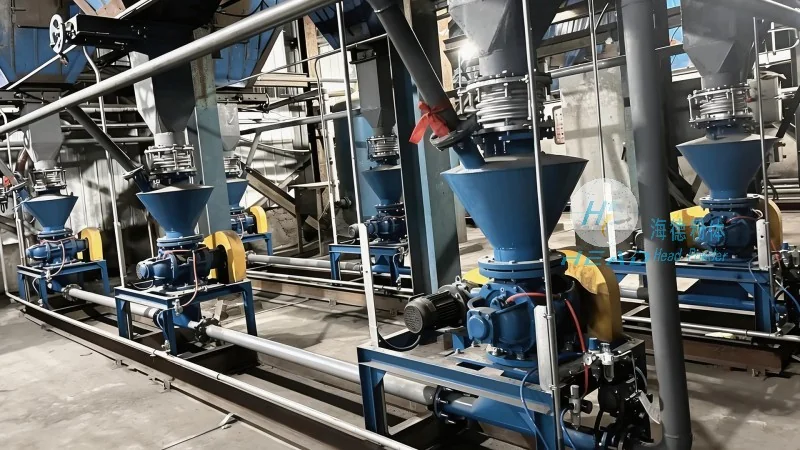
Advantages of Pneumatic Conveying for Calcium Chloride
Compared to other bulk material handling methods, pneumatic conveying offers several advantages for calcium chloride transportation. The system allows for continuous, automated operation, reducing labor costs and increasing productivity. It also minimizes product exposure to the environment, which is particularly important for calcium chloride, as it can absorb moisture from the air and degrade in quality. The enclosed pipeline system prevents dust emissions, enhancing workplace safety and compliance with environmental regulations. Furthermore, pneumatic conveying can handle long-distance transport with minimal energy consumption, making it an economical choice for many industrial applications.
Conclusion and Future Considerations
In conclusion, a calcium chloride pneumatic conveying system is a sophisticated and efficient solution for transporting this essential chemical. The design principles, which focus on material properties, system components, and operational parameters, ensure that the system operates reliably and safely. Companies like Shandong HeadPowder Engineering Co., Ltd. play a vital role in providing tailored solutions that meet the specific needs of their clients. As industrial demands for calcium chloride continue to grow, the importance of efficient and reliable material handling systems will only increase, making pneumatic conveying an increasingly valuable technology in the chemical industry.




