Phosphate sodium powder, a critical chemical raw material utilized across diverse industries including food processing, water treatment, and chemical manufacturing, often requires efficient and reliable transportation methods. Pneumatic conveying, a technology that employs air or gas to transport bulk powders, has become a preferred solution for handling phosphate sodium powder due to its advantages in safety, flexibility, and process integration. This article explores the working principle and key characteristics of phosphate sodium powder pneumatic conveying systems, highlighting how they enhance operational efficiency and product integrity.
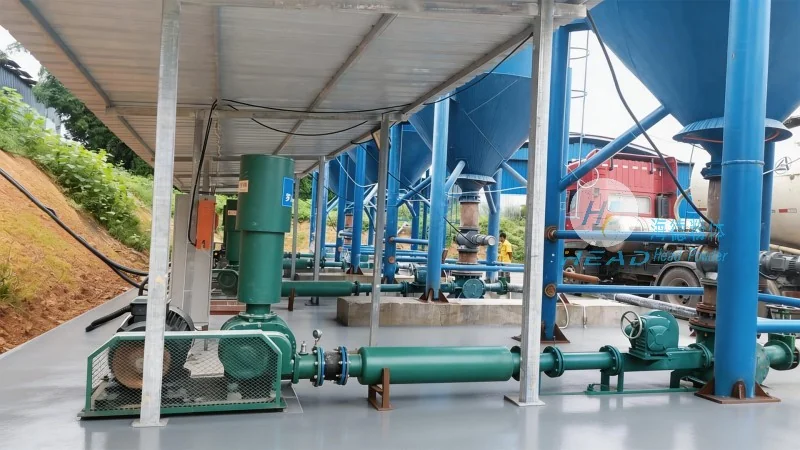
Working Principle of Phosphate Sodium Powder Pneumatic Conveying
The fundamental mechanism of phosphate sodium powder pneumatic conveying involves utilizing a pressurized or vacuum system to move powder particles through a pipeline. The process typically operates under either positive pressure (pressure conveying) or negative pressure (vacuum conveying), with the choice depending on application requirements. In pressure conveying, a blower or compressor generates high-pressure air that forces the powder into the pipeline, where it is carried to the destination. The air-powder mixture then separates at the receiving point, with the air being recirculated or released and the powder collected. Vacuum conveying, conversely, uses a vacuum pump to create a low-pressure environment that draws the powder from the source into the pipeline. This method is particularly suitable for applications requiring transportation over longer distances or through multiple transfer points.
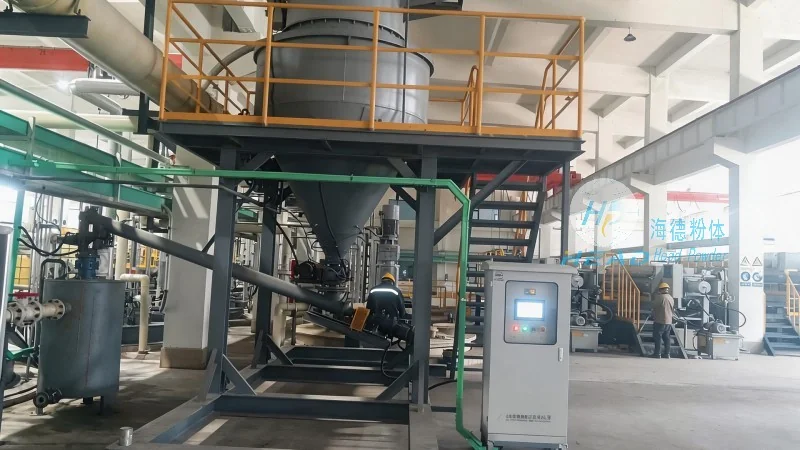
Key Characteristics of Phosphate Sodium Powder Pneumatic Conveying
Several notable characteristics define the performance of phosphate sodium powder pneumatic conveying systems, making them ideal for handling delicate or sensitive powders like phosphate sodium. First, the system offers excellent dust control, as the powder is contained within the pipeline, minimizing airborne particles and reducing the risk of contamination or environmental pollution. This is crucial for maintaining product quality and compliance with industrial regulations. Second, pneumatic conveying provides high transport efficiency, enabling continuous and automated material movement without the need for manual handling or intermediate storage. The technology can handle a wide range of particle sizes and flow rates, adapting to varying production demands. Third, the system enhances process safety by eliminating the need for manual loading or unloading of powders, which can be hazardous due to dust exposure or material handling risks. Additionally, pneumatic conveying systems are highly flexible, allowing easy integration with existing production lines and the ability to transport materials to multiple destinations from a single source.
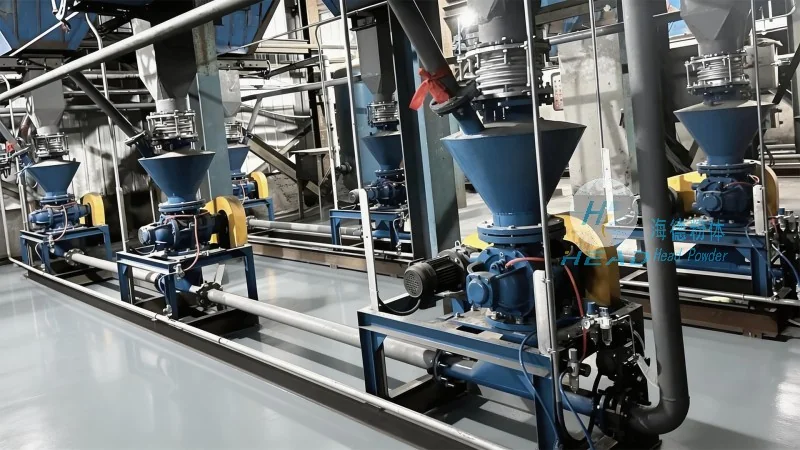
Application Considerations and System Design
When designing a pneumatic conveying system for phosphate sodium powder, several factors must be considered to ensure optimal performance and reliability. The choice between pressure and vacuum conveying depends on the distance, elevation changes, and material characteristics. For example, pressure conveying is often preferred for short to medium distances with minimal vertical elevation, while vacuum conveying is suitable for longer distances or when the material needs to be transported from multiple sources to a central location. The system design also includes components such as feeders, cyclones, filters, and air receivers, which are critical for maintaining consistent flow and preventing material degradation. Proper sizing of these components ensures that the system operates efficiently without excessive energy consumption or pressure drop. Furthermore, the material of construction for the pipeline and equipment must be selected to resist corrosion and abrasion, as phosphate sodium powder can be abrasive and may contain moisture that could lead to corrosion over time.
Advantages of Using Pneumatic Conveying for Phosphate Sodium Powder
Implementing pneumatic conveying for phosphate sodium powder offers numerous advantages that contribute to improved operational outcomes. The primary benefit is the significant reduction in labor costs, as the system automates the entire material handling process, eliminating the need for manual labor in loading, unloading, or transporting the powder. This not only increases productivity but also enhances workplace safety by minimizing exposure to dust and handling hazards. Another key advantage is the improvement in product quality and consistency. By containing the powder within the pipeline, the system prevents contamination from external sources and reduces the risk of agglomeration or degradation, ensuring that the final product meets the required specifications. Additionally, pneumatic conveying systems are highly scalable, allowing companies to expand their operations without significant changes to the infrastructure. This flexibility supports growth and adaptability in a dynamic market environment.
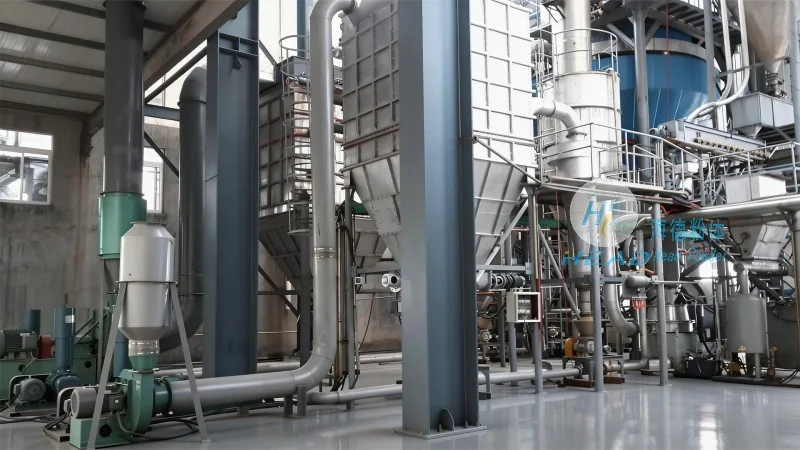
Case Study: HeadPowder's Pneumatic Conveying Solutions
Shandong HeadPowder Engineering Co., Ltd., a leading provider of powder handling solutions, specializes in designing and manufacturing customized pneumatic conveying systems for phosphate sodium powder applications. With years of experience in the industry, HeadPowder has developed advanced systems that address the unique challenges of handling phosphate sodium powder, such as its abrasive nature and potential moisture content. The company's solutions include high-efficiency cyclones for dust separation, robust feeders to maintain consistent flow rates, and corrosion-resistant materials to ensure long-term durability. HeadPowder's expertise in system integration allows them to tailor solutions to specific customer needs, whether for small-scale laboratory applications or large-scale industrial production. The company's commitment to quality and customer satisfaction has made it a trusted partner for businesses seeking reliable and efficient powder handling solutions. By leveraging their technical knowledge and innovative designs, HeadPowder helps clients optimize their phosphate sodium powder transportation processes, reducing costs and improving overall operational performance.




