HeadPowder, a prominent engineering firm headquartered in Shandong, China, specializes in the development and implementation of advanced pneumatic conveying systems tailored for the maltose industry. This article explores the fundamental principles governing the operation of such systems, emphasizing their efficiency, reliability, and the technical aspects that make them suitable for handling maltose and related products in food processing applications.
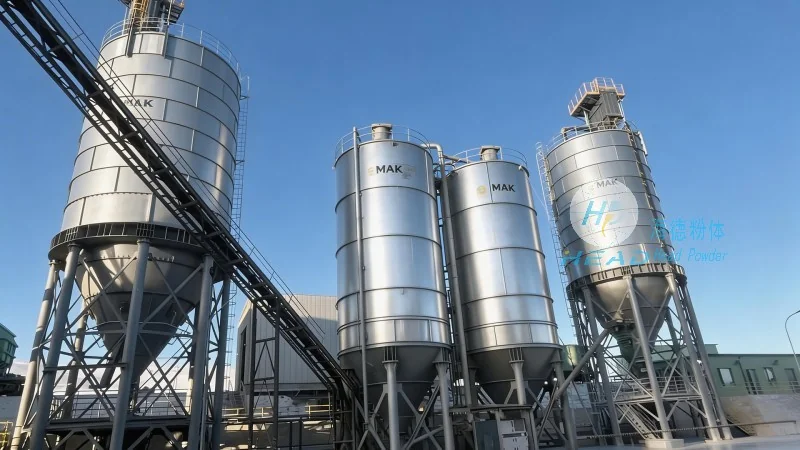
Introduction to Pneumatic Conveying Systems
Pneumatic conveying systems employ air or gas as the primary medium to transport bulk materials like maltose from one location to another. Unlike traditional mechanical conveyors, these systems offer a flexible and hygienic solution, particularly in food processing environments where maintaining product purity and preventing contamination is critical. The core principle involves creating a pressure differential that propels the material through a pipeline, ensuring smooth and continuous flow while minimizing product degradation.
Key Components of a Maltose Pneumatic Conveying System
The effectiveness of a maltose pneumatic conveying system relies on several critical components that work in concert. These include the hopper or feeder, which stores and meters the maltose; the air compressor or blower that generates the necessary airflow; the pipeline network that transports the material; and the receiver or discharge unit where the maltose is deposited. Each component is engineered to handle the specific characteristics of maltose, such as its granular size, moisture content, and flowability, ensuring optimal performance and longevity.
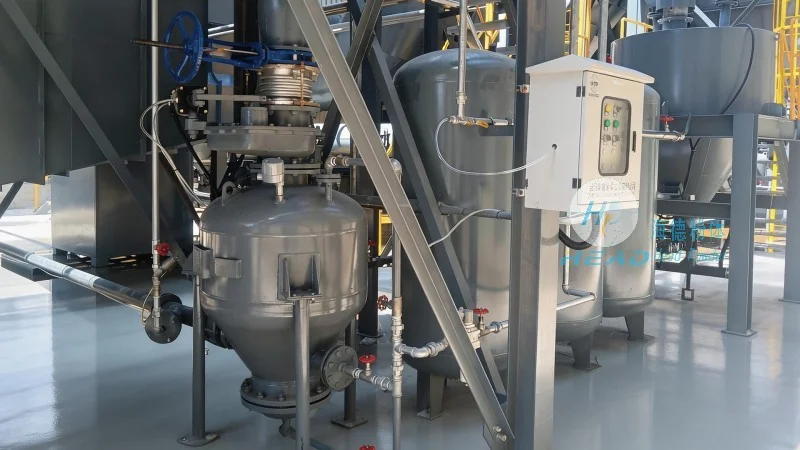
Working Principle: How It Operates
The operation of a maltose pneumatic conveying system follows a systematic process. Initially, the maltose is fed into the hopper, where it is metered and introduced into the pipeline. Simultaneously, the air compressor generates a high-pressure air stream that travels through the pipeline. As the air and maltose mixture moves through the system, the pressure differential created by the compressor propels the material forward. The pipeline design, including bends, elbows, and valves, is optimized to minimize pressure loss and ensure consistent flow. The receiver at the end of the pipeline collects the maltose, allowing it to be discharged into the next processing stage or storage area. This process is typically continuous, enabling high-volume and uninterrupted material transport.
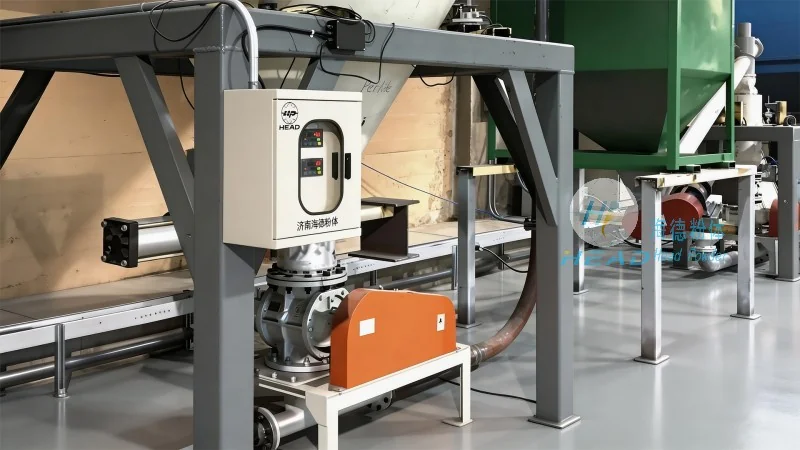
Advantages of Using Pneumatic Conveying for Maltose
Implementing a pneumatic conveying system for maltose offers numerous advantages over traditional methods. Firstly, it provides a hygienic and dust-free environment, which is crucial in food processing to maintain product quality and comply with regulatory standards such as those from the FDA or EU. Secondly, the system is highly flexible, allowing for easy reconfiguration of the pipeline layout to accommodate changes in production processes or facility expansions. Additionally, pneumatic conveyors are capable of handling a wide range of material characteristics, including varying particle sizes and moisture levels, without requiring significant modifications to the system. The energy efficiency of these systems also contributes to lower operational costs over time, as they typically consume less power compared to mechanical conveyors for the same volume of material.
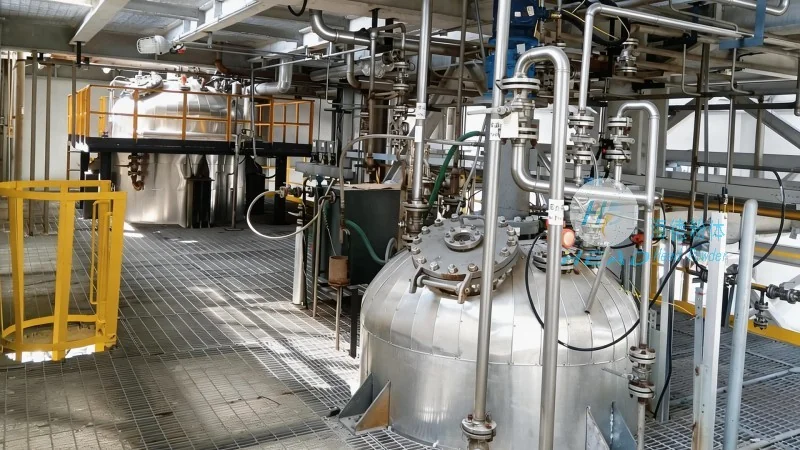
Application in the Maltose Industry
In the maltose industry, pneumatic conveying systems are widely used for transporting maltose from storage silos to processing lines, between different production stages, and for packaging operations. The ability to handle large volumes of maltose with minimal labor and space requirements makes these systems ideal for high-throughput production environments. Moreover, the system's ability to maintain product integrity ensures that the maltose remains free from contamination and retains its quality attributes, which is essential for meeting consumer expectations and regulatory requirements. For example, in a maltose production facility, the system can efficiently move raw maltose from the storage area to the grinding and refining stages, ensuring a seamless production flow.
Conclusion
HeadPowder Engineering Co., Ltd., with its headquarters in Shandong, China, leverages advanced engineering principles to design and manufacture pneumatic conveying systems that meet the specific needs of the maltose industry. By understanding the fundamental principles of pneumatic conveying and incorporating state-of-the-art components, these systems provide reliable, efficient, and hygienic solutions for transporting maltose and other bulk materials. The company's commitment to quality and innovation ensures that its customers receive systems that enhance productivity, reduce operational costs, and maintain the highest standards of product quality. With a focus on customer satisfaction and technical excellence, HeadPowder continues to be a trusted partner in the food processing industry, providing solutions that drive success for its clients.




