Understanding the mechanics of pneumatic conveying systems is crucial for industries dealing with bulk powders, such as rice flour. This article delves into the fundamental principles of rice flour pneumatic conveying, exploring how these systems efficiently transport powders through a pressurized air stream. The focus will be on the technical aspects and operational logic behind the process, providing a clear overview for professionals in the field.
Overview of Pneumatic Conveying Systems
Pneumatic conveying, or air-based powder transport, is a method that utilizes compressed air to move dry materials like rice flour from one location to another. Unlike mechanical systems that rely on belts, screws, or buckets, pneumatic conveyors use the force of air to create a flow of material. This approach is particularly advantageous for handling fine powders, as it minimizes product contamination and reduces the risk of dust accumulation compared to traditional methods.
Key Components of a Rice Flour Pneumatic Conveying System
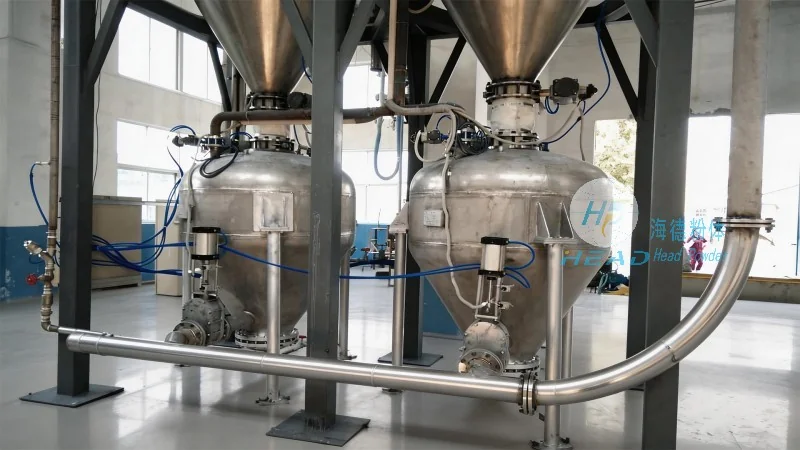
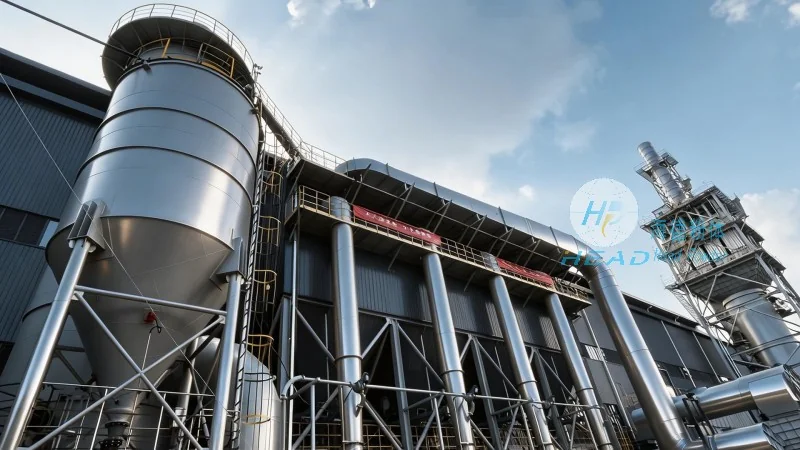
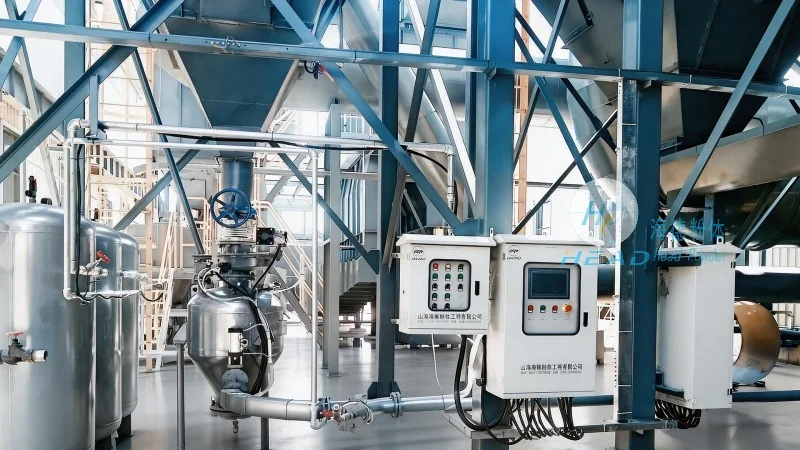
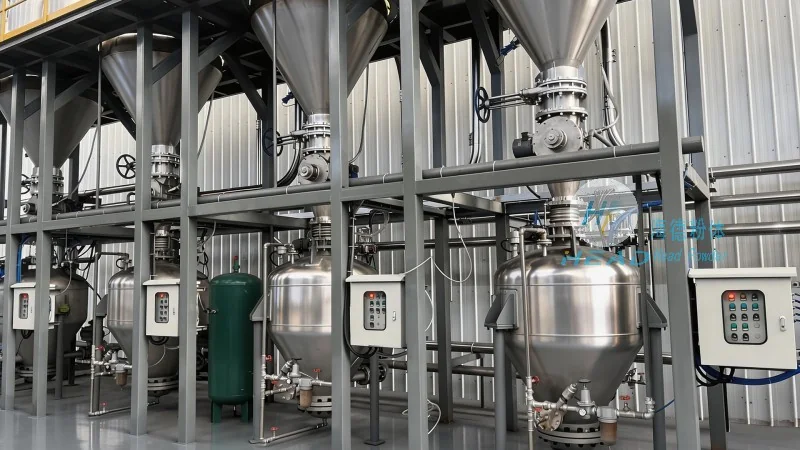
A typical rice flour pneumatic conveying system consists of several critical components that work in tandem to ensure efficient operation. These components include the material hopper, which holds the rice flour; the air compressor or blower that generates the necessary pressure; the conveying line, which transports the material; and the discharge point where the rice flour is deposited. Each component plays a vital role in maintaining the system's performance and reliability.
The Working Principle: How It Transports Rice Flour
The core of the pneumatic conveying process involves creating a pressure differential between the inlet and outlet of the system. The air compressor pumps high-pressure air into the conveying line, which then draws the rice flour from the hopper into the air stream. As the air and powder mixture travels through the line, the pressure gradually decreases, causing the powder to separate from the air at the discharge point. This separation is achieved through a series of valves, filters, and cyclones that ensure the rice flour is deposited in the desired location without losing its quality or integrity.
Advantages of Using Pneumatic Conveying for Rice Flour
For industries processing rice flour, pneumatic conveying offers several key advantages over alternative methods. These benefits include improved hygiene, as the system is enclosed and prevents dust from entering the environment. Additionally, it allows for precise control over the flow rate and pressure, ensuring consistent product quality. The system also reduces labor costs by automating the material handling process and minimizes the risk of product degradation due to exposure to air or moisture.
Applications in the Food Industry
Rice flour, a staple ingredient in many food products, requires careful handling to maintain its nutritional value and texture. Pneumatic conveying systems are widely used in food processing facilities to transport rice flour from storage silos to production lines. The enclosed nature of the system prevents cross-contamination with other materials and maintains the flour's purity, which is essential for meeting food safety regulations. This method is particularly beneficial for large-scale food manufacturers who need to handle large volumes of rice flour efficiently and reliably.
Operational Considerations and Maintenance
While pneumatic conveying systems offer numerous benefits, proper operation and maintenance are essential to ensure optimal performance. Regular cleaning of the conveying line and components is necessary to prevent clogging and maintain airflow efficiency. Additionally, monitoring the air pressure and flow rate helps identify any issues that may affect the system's performance. By adhering to proper maintenance procedures, companies can extend the lifespan of their equipment and minimize downtime, ensuring consistent production of rice flour products.
Conclusion
In summary, rice flour pneumatic conveying is a highly effective method for transporting bulk powders in the food industry. By leveraging the principles of air pressure and flow, these systems provide a hygienic, efficient, and reliable means of moving rice flour from storage to processing areas. For businesses in the food sector, understanding the working principles and advantages of pneumatic conveying is crucial for optimizing their operations and maintaining product quality. As a leading provider of powder handling solutions, Shandong HeadPowder Engineering Co., Ltd. specializes in designing and manufacturing customized pneumatic conveying systems tailored to the specific needs of rice flour processing facilities.




