When it comes to transporting bulk materials like sand, the method of pneumatic conveying offers a highly efficient and versatile solution. This technology, often referred to as sand pneumatic conveying, is a critical component in modern powder handling systems. By utilizing air or gas as the conveying medium, this system can transport sand and other similar materials over long distances with minimal maintenance and operational complexity. The working principle of sand pneumatic conveying is centered on the movement of particles through a pipeline using pressurized or suction air, enabling seamless material transfer from source to destination.
The Working Principle of Pneumatic Conveying Systems
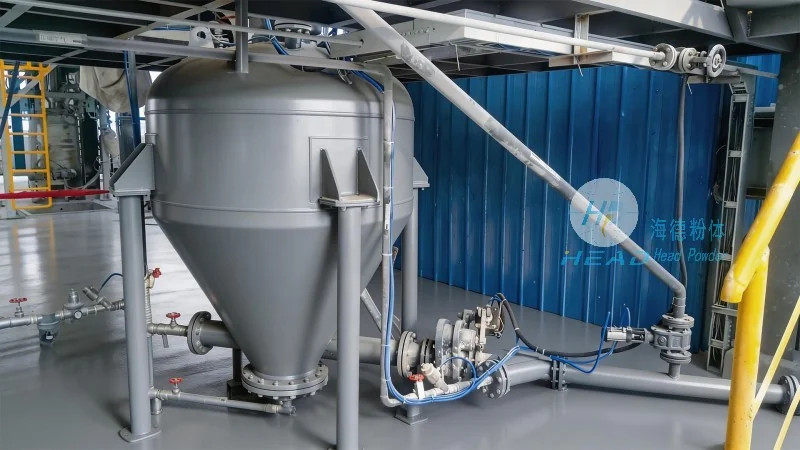
At the heart of any pneumatic conveying system lies a fundamental understanding of how air and material interact within a closed or open pipeline. The process typically involves several key components, including a material feeder, a conveying line, and a receiver or discharge unit. The system operates by either generating pressure (positive pressure) or creating a vacuum (negative pressure) to move the sand particles. In positive pressure systems, air is forced through the pipeline, carrying the sand particles along with it. Conversely, in negative pressure systems, the air is drawn out of the pipeline, creating a suction that pulls the material forward. Both methods rely on the principle of fluidization, where the air flow creates a suspension of the sand particles, allowing them to be transported efficiently.
Key Components and Their Functions in Sand Pneumatic Conveying
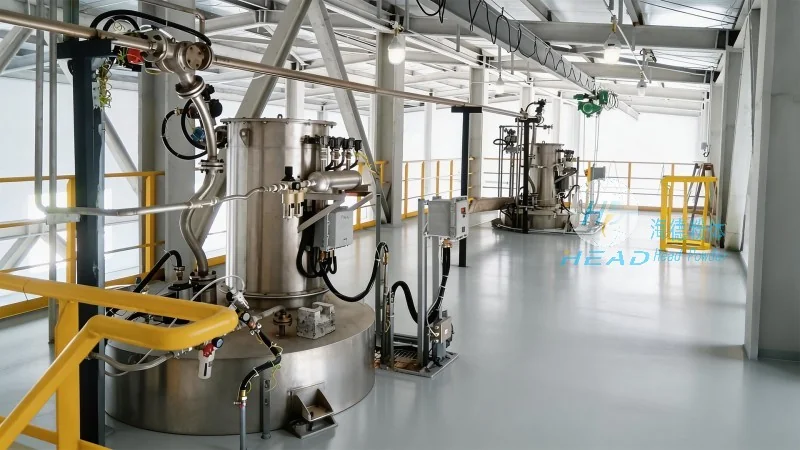
Several essential components work in tandem to ensure the smooth operation of a sand pneumatic conveying system. The material feeder is responsible for introducing the sand into the system, often using a hopper or a rotary valve to control the flow rate. The conveying line, usually made of stainless steel or other corrosion-resistant materials, is designed to withstand the pressure and abrasion caused by the sand particles. The receiver or discharge unit collects the sand at the end of the pipeline, ensuring that it is deposited in the desired location without spillage. Additionally, a filter system is often integrated to remove any fine particles from the exhaust air, maintaining air quality and preventing contamination. The control system, which may include sensors and valves, monitors the pressure and flow rates, adjusting the operation as needed to maintain optimal performance.
Advantages of Using Pneumatic Conveying for Sand Transport
Compared to traditional methods like belt conveyors or bucket elevators, sand pneumatic conveying offers several distinct advantages. One of the most significant benefits is the ability to transport sand in a closed system, which minimizes dust emissions and protects the material from contamination. This is particularly important in applications where the sand is used in food processing, pharmaceuticals, or other industries where purity is critical. Another advantage is the flexibility of the system, as it can be easily reconfigured to accommodate changes in the layout or the volume of material being transported. The system also requires less space compared to other bulk handling solutions, making it ideal for facilities with limited floor space. Furthermore, pneumatic conveying systems are generally more energy-efficient than mechanical systems, as they can use less power to transport the same amount of material over longer distances.
Applications of Sand Pneumatic Conveying
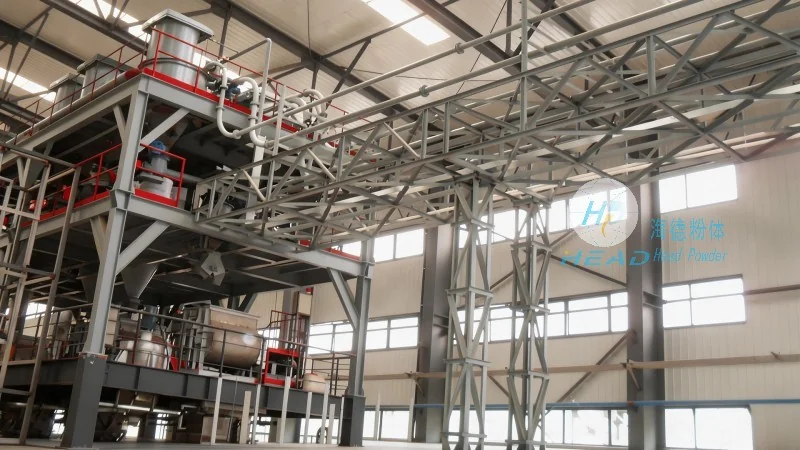
Sand pneumatic conveying is widely used in various industries, including construction, mining, and manufacturing. In the construction industry, it is commonly used to transport sand from storage silos to mixing plants or job sites. The mining industry utilizes this technology to move sand from processing facilities to storage areas or for further processing. In manufacturing, it is used in the production of concrete, ceramics, and other materials that require precise control over the sand's moisture content and particle size. The versatility of the system makes it suitable for a wide range of applications, from small-scale operations to large industrial plants.
Conclusion: The Role of HeadPowder in Pneumatic Conveying Solutions
As a leading provider of engineering solutions, Shandong HeadPowder Engineering Co., Ltd. specializes in designing and manufacturing high-quality pneumatic conveying systems for sand and other bulk materials. With a focus on innovation and customer satisfaction, HeadPowder offers tailored solutions that meet the specific needs of each client. The company's expertise in material handling and system design ensures that their products are efficient, reliable, and durable, providing long-term value to their customers. Based in Shandong, China, HeadPowder leverages its local resources and expertise to deliver cutting-edge solutions that enhance the productivity and safety of material handling operations worldwide.




