The pneumatic conveying of mica sand powder is a specialized process used in various industrial applications, particularly in the manufacturing and processing of mica-based products. This method involves the transport of fine mica sand particles through a pipeline using air or other gas as the conveying medium. Understanding the components and mechanisms of such a system is crucial for optimizing efficiency, ensuring product quality, and maintaining operational safety.
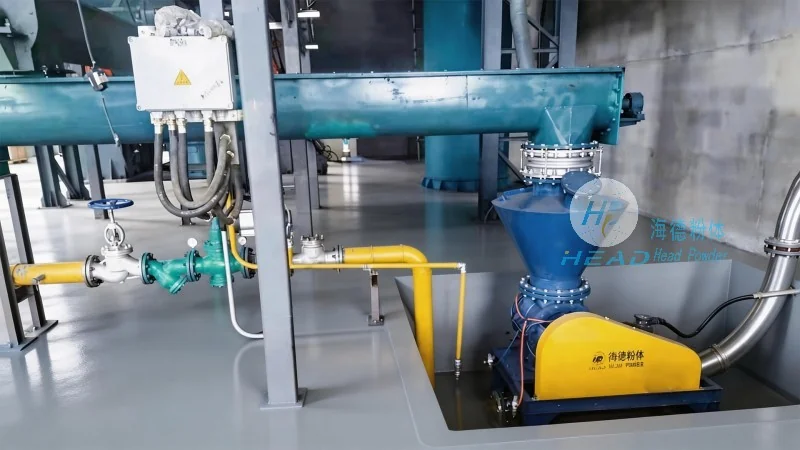
Core Components of a Mica Sand Powder Pneumatic Conveying System
A typical pneumatic conveying system for mica sand powder consists of several essential components that work in concert to achieve effective material transport. The primary components include the material feed system, the conveying pipeline, the air supply unit, and the control and monitoring equipment. Each component plays a vital role in the overall functionality of the system.
Firstly, the material feed system is responsible for introducing the mica sand powder into the conveying line. This may involve hoppers, feeders, or rotary valves that regulate the flow rate and prevent blockages. For mica sand, which is often fine and prone to bridging, specialized feed equipment is essential to ensure consistent and reliable material introduction. The feed system must be designed to handle the specific characteristics of mica sand, such as its particle size distribution and moisture content, to avoid issues like clogging or uneven flow.
Secondly, the conveying pipeline is the main channel through which the mica sand powder travels. The pipeline is typically made of materials like stainless steel or plastic, chosen for their resistance to corrosion and wear from the abrasive mica particles. The design of the pipeline, including its diameter, length, and bends, significantly impacts the conveying efficiency and pressure drop. Properly sized and configured pipelines minimize energy consumption and prevent particle degradation or loss.
Thirdly, the air supply unit provides the necessary pressure and flow of gas to move the mica sand particles. This unit may consist of a blower, compressor, or vacuum pump, depending on the system's configuration (e.g., pressure or vacuum conveying). The air supply must be filtered to remove contaminants that could damage the mica particles or clog the system. Additionally, the air velocity within the pipeline must be maintained at an optimal level to prevent particle deposition and ensure smooth transport.
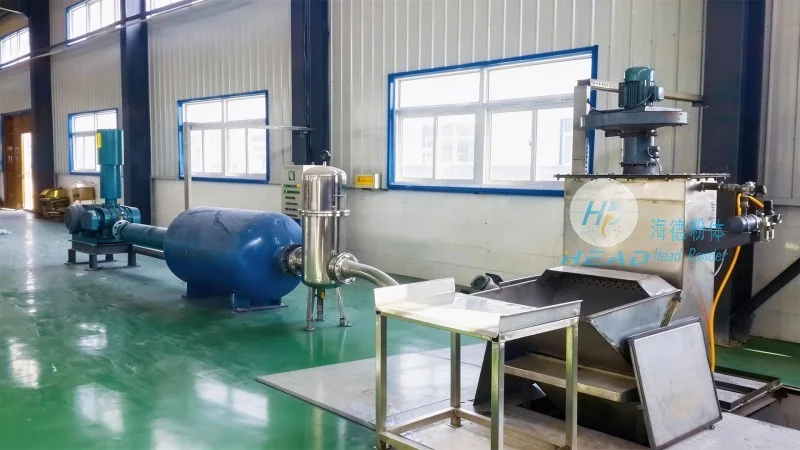
Finally, the control and monitoring equipment allows operators to manage and monitor the system's performance. This includes pressure sensors, flow meters, and control valves that regulate the air pressure and material feed rate. Real-time monitoring helps detect any abnormalities, such as pressure drops or blockages, allowing for timely intervention and maintenance. Advanced control systems can also optimize the conveying process based on real-time data, improving efficiency and reducing operational costs.
Role of Airflow and Pressure in Mica Sand Powder Conveying
The airflow and pressure within the pneumatic conveying system are critical factors that determine the system's performance. In pressure conveying systems, compressed air is used to push the mica sand particles through the pipeline, while in vacuum conveying systems, a vacuum is created to pull the material. The choice between pressure and vacuum depends on factors like the distance to be covered, the particle size, and the required flow rate.
For mica sand powder, which is typically fine and light, pressure conveying is often preferred due to its ability to handle longer distances and higher flow rates. The pressure applied must be sufficient to overcome the resistance from the pipeline and the particles, while avoiding excessive pressure that could cause particle degradation or equipment damage. The air velocity within the pipeline is also crucial; it must be high enough to keep the particles suspended but not so high as to cause excessive wear on the pipeline or equipment.
Pressure drop is another important consideration in mica sand powder conveying. As the air and particles move through the pipeline, friction causes a drop in pressure. This pressure drop must be managed to ensure that the conveying system can maintain the required flow rate. Proper pipeline design, including the use of smooth surfaces and minimal bends, helps reduce pressure drop and improve overall efficiency. Additionally, the use of air knives or other devices can help maintain consistent airflow and prevent particle accumulation.
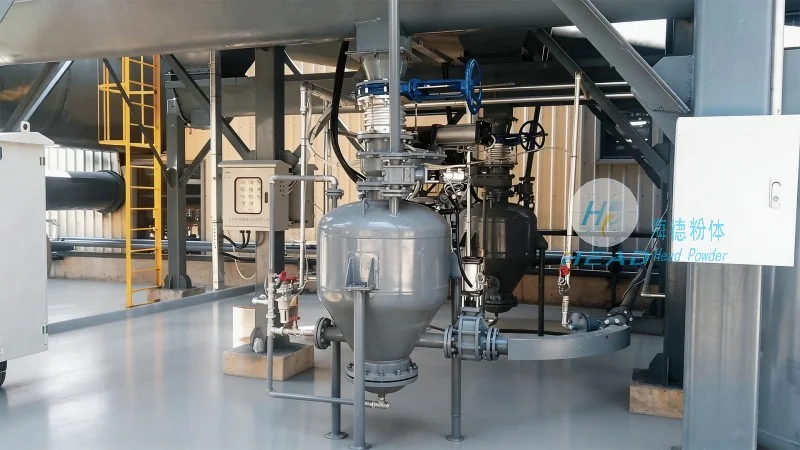
Material Handling Considerations for Mica Sand Powder
Handling mica sand powder requires special attention due to its unique properties. Mica sand is often fine and can be abrasive, which means that the conveying system must be designed to minimize wear and maintain particle integrity. The material's moisture content and particle size distribution also affect its handling characteristics. For example, higher moisture content can cause the particles to clump together, leading to blockages in the system.
Specialized equipment is used to address these challenges. For instance, rotary airlocks and feeders are commonly used to regulate the flow of mica sand powder and prevent clogging. These devices are designed to handle fine powders and can be adjusted to control the feed rate. Additionally, the use of air classifiers or separators may be necessary to remove oversized or contaminated particles from the mica sand before it enters the conveying system.
Proper maintenance of the conveying system is also essential for handling mica sand powder effectively. Regular cleaning and inspection of the pipeline and equipment help prevent the buildup of mica particles, which can cause wear and reduce efficiency. The use of lubricants or anti-wear coatings on equipment components can also extend the system's lifespan and improve performance.
Applications of Mica Sand Powder Pneumatic Conveying
The pneumatic conveying of mica sand powder is used in a variety of industrial applications, including the production of mica-based insulators, electrical components, and cosmetics. In the manufacturing of mica insulators, for example, the fine mica sand is conveyed to a mixing or processing unit where it is combined with other materials to form the final product. The efficiency of the conveying system directly impacts the quality and consistency of the final product.
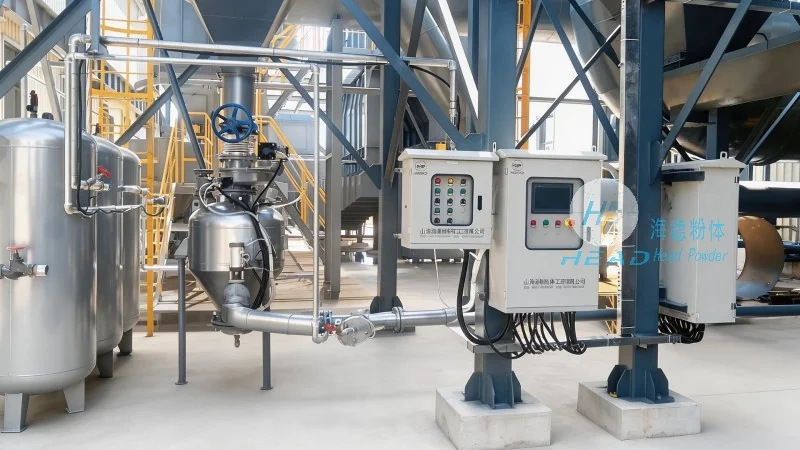
In the cosmetics industry, mica sand is used as a pigment or filler in various products, such as powders and creams. The pneumatic conveying system ensures that the mica sand is transported to the production line without contamination or degradation, maintaining the product's quality and appearance. The ability to handle fine powders and maintain consistent flow rates makes pneumatic conveying ideal for these applications.
Other applications include the processing of mica for use in construction materials, such as mica-based coatings or insulation. The pneumatic conveying system allows for the efficient transport of mica sand from storage to processing equipment, reducing labor costs and improving production efficiency.
Conclusion: Optimizing Mica Sand Powder Pneumatic Conveying
The pneumatic conveying of mica sand powder is a complex process that requires careful consideration of various components and parameters. By understanding the key components of the system, such as the material feed, pipeline, air supply, and control equipment, and optimizing factors like airflow and pressure, manufacturers can improve the efficiency and reliability of their operations. Specialized equipment and maintenance practices are also essential for handling the unique properties of mica sand powder and ensuring long-term system performance.
Shandong HeadPowder Engineering Co., Ltd., a leading provider of mica sand processing solutions, specializes in the design and implementation of pneumatic conveying systems tailored to the specific needs of mica sand powder applications. With years of experience in the industry, the company offers comprehensive solutions that enhance material handling efficiency, product quality, and operational safety. Based in Shandong, China, HeadPowder Engineering leverages advanced technology and expertise to deliver high-performance pneumatic conveying systems that meet the demands of modern industrial applications.




