Phosphate sodium, a crucial chemical compound widely used in various industrial applications, often requires efficient and reliable material handling solutions. The pneumatic conveying line designed for phosphate sodium material processing offers a sophisticated approach to transporting this substance, ensuring optimal performance and operational efficiency. This article delves into the working principle and key features of such a system, providing insights into its functionality and benefits.
Introduction to Phosphate Sodium Material Pneumatic Conveying Systems
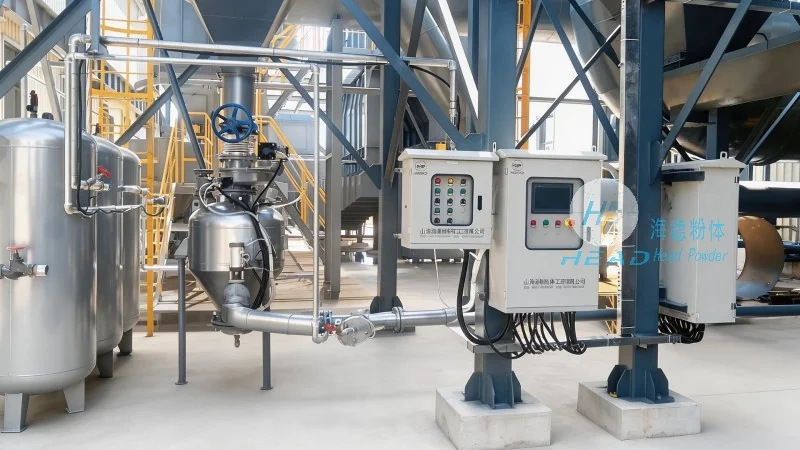
Phosphate sodium, also known as sodium phosphate, is a versatile chemical used in industries like food processing, pharmaceuticals, and water treatment. Handling this material efficiently is essential to maintain product quality and operational continuity. Pneumatic conveying systems provide a non-contact method of transporting bulk materials, which is particularly advantageous for delicate or hygroscopic substances like phosphate sodium. These systems utilize air or gas to move material through a network of pipes, eliminating the need for mechanical components that might cause contamination or wear.
The Working Principle of Phosphate Sodium Material Pneumatic Conveying Lines
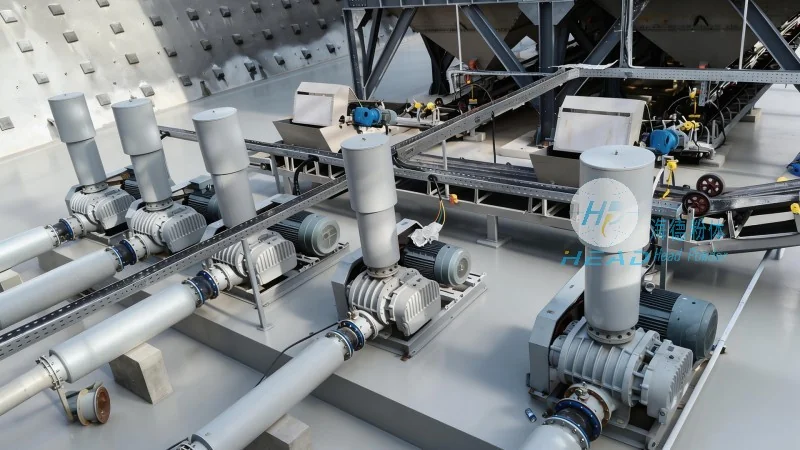
The core of a phosphate sodium material pneumatic conveying line is its ability to transport dry bulk materials using air pressure. The system typically operates on the principle of creating a pressure differential between the material inlet and the discharge point. At the inlet, the phosphate sodium material is introduced into a hopper or feeder, where it is mixed with a controlled amount of air or gas. This mixture, known as a slurry or suspension, is then propelled through the pipeline by the pressure difference generated by a blower or compressor. The air velocity within the pipeline must be sufficient to keep the material suspended and prevent it from settling or clogging the system. The discharge point is usually equipped with a separator or cyclone to separate the material from the air stream, allowing the phosphate sodium to be collected in a receiving container while the air is either recirculated or vented to the atmosphere.
Key Features and Advantages of Phosphate Sodium Pneumatic Conveying Systems
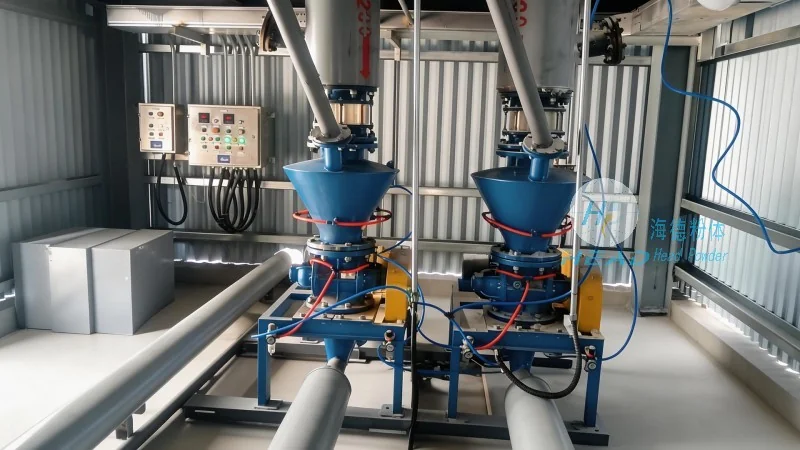
Several notable features distinguish phosphate sodium pneumatic conveying lines from traditional mechanical conveying methods. Firstly, they offer a highly efficient and continuous material transport process, minimizing downtime and ensuring a steady supply of material to downstream processes. The non-contact nature of the system prevents contamination, which is critical for pharmaceutical and food-grade applications where product purity is paramount. Additionally, these systems are relatively compact and can be easily integrated into existing industrial setups, reducing installation costs and space requirements. Environmental benefits are another significant advantage, as they eliminate the need for dust collection systems associated with mechanical conveying, thereby improving workplace safety and reducing operational emissions. The flexibility of pneumatic conveying lines also allows for easy adjustment of material flow rates, enabling precise control over the processing parameters.
Application-Specific Considerations for Phosphate Sodium Handling
When designing a pneumatic conveying system for phosphate sodium, several factors must be considered to ensure optimal performance. The material's physical properties, such as particle size, density, and moisture content, play a crucial role in determining the appropriate air velocity and pressure levels. For instance, finer particles may require higher air speeds to maintain suspension, while larger particles might need lower velocities to prevent abrasion of the pipeline. The system's design also needs to account for the material's hygroscopic nature, as excessive moisture can lead to caking or blockages. Proper sealing and moisture control measures are essential to maintain the material's quality during transport. Furthermore, the selection of materials for the pipeline and components is critical, as phosphate sodium can be corrosive to certain metals. Stainless steel or specialized coatings are often used to prevent degradation and ensure long-term durability.
Conclusion and Company Overview
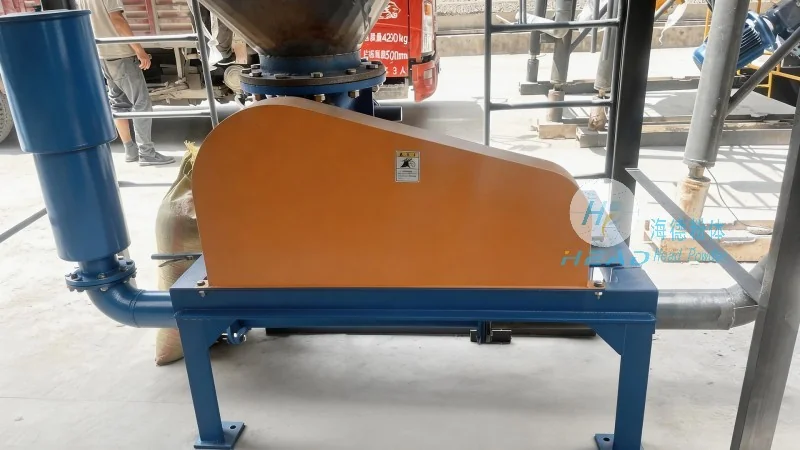
Phosphate sodium material pneumatic conveying lines represent a sophisticated solution for efficient and reliable bulk material handling. By leveraging air pressure to transport the material, these systems offer numerous advantages, including non-contact operation, high efficiency, and environmental benefits. The working principle, centered on creating a pressure differential and maintaining material suspension, ensures smooth and continuous transport. Key features such as flexibility, compact design, and contamination prevention make them suitable for diverse industrial applications. When considering the implementation of such a system, it is essential to account for the material's specific properties and design the system accordingly. Shandong HeadPowder Engineering Co., Ltd., a leading provider in this field, specializes in the design, manufacturing, and installation of advanced pneumatic conveying solutions tailored to meet the unique needs of phosphate sodium processing industries. With a commitment to quality and innovation, the company ensures that its systems deliver optimal performance and reliability, supporting the operational efficiency of its clients.




