For industries dealing with grain and bulk particle materials, efficient and reliable material handling is crucial. Pneumatic conveying systems have emerged as a key solution, offering a versatile method to transport these materials with precision and minimal contamination. This article explores the working principle and distinctive features of pneumatic conveying lines, highlighting how they enhance operational efficiency in grain processing and similar applications.
Introduction to Pneumatic Conveying Systems for Grain and Bulk Particles
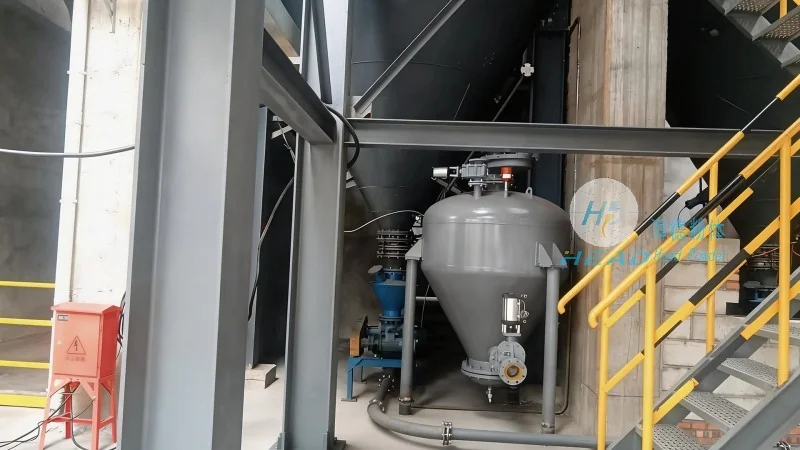
Pneumatic conveying systems are designed to transport granular or powdery materials through a pipeline using air or gas as the conveying medium. Unlike traditional mechanical conveyors, these systems rely on the force of air to move materials, making them ideal for handling delicate, abrasive, or hygienic materials such as grains, seeds, and other bulk solids. The technology has been refined over decades, with manufacturers like Shandong HeadPowder Engineering Co., Ltd. (HeadPowder) leading the innovation in this field.
Working Principle of Pneumatic Conveying Lines
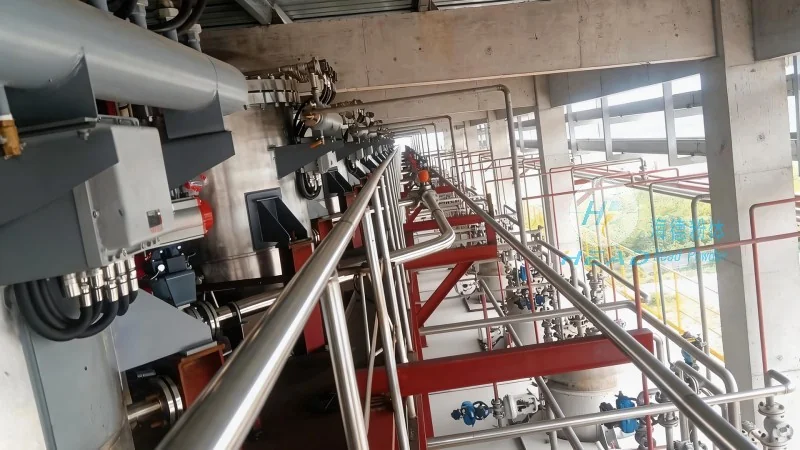
The core mechanism of a pneumatic conveying line involves the creation of a pressure differential to move materials. There are two primary types of pneumatic conveying systems: positive pressure and negative pressure. In positive pressure systems, air is blown into the conveying line, creating an upward flow that lifts and transports the material. Conversely, negative pressure systems use suction to draw materials into the line, often used for short-distance or low-volume applications. The process typically begins with a hopper or storage silo where the material is fed into the system. A rotary valve or feeder then meters the material into the pipeline, where it is mixed with the air stream. The combination of air and material travels through the pipeline, with the air velocity maintained at a level sufficient to keep the material suspended and prevent clogging. At the discharge end, the material is separated from the air, often through a cyclone separator or filter, and collected in a receiving bin or silo.
Key Features and Advantages of Pneumatic Conveying Systems
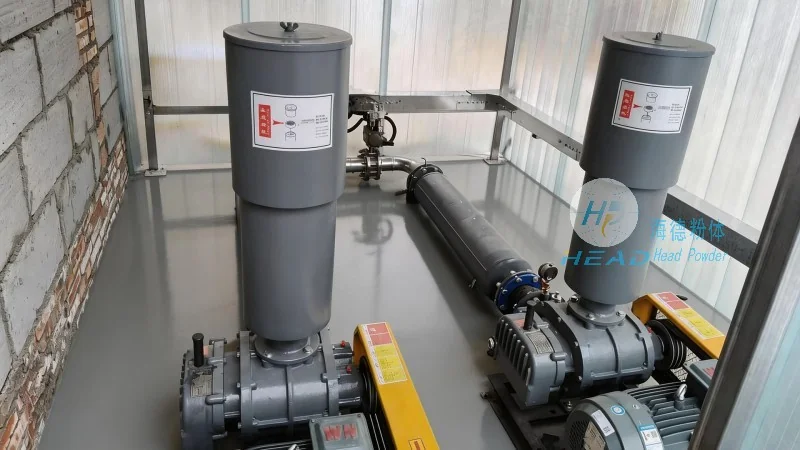
Pneumatic conveying systems for grain and bulk particles offer several advantages that make them preferable to other material handling methods. Firstly, they provide a clean and hygienic environment, as the material is enclosed within the pipeline, minimizing exposure to contaminants and dust. This is particularly important in food processing industries where product purity is paramount. Secondly, these systems are highly efficient, allowing for continuous, unattended operation, which reduces labor costs and increases productivity. The ability to transport materials over long distances without the need for multiple transfer points also enhances operational flexibility. Additionally, pneumatic conveying systems are adaptable to various material characteristics, including different particle sizes, densities, and flowability, making them suitable for a wide range of applications. Another notable feature is their compact design, which saves space in facilities where floor space is limited. The systems are also relatively easy to install and maintain, with modular components that can be replaced or upgraded as needed.
Applications and Operational Considerations
Pneumatic conveying systems are widely used in the grain processing industry for tasks such as transporting raw grains from storage silos to processing units, moving finished products to packaging lines, and transferring byproducts to waste management systems. In addition to grain, these systems are applied in other industries such as chemical processing, pharmaceuticals, and mining, where bulk materials need to be handled safely and efficiently. When implementing a pneumatic conveying system, several factors must be considered to ensure optimal performance. These include the material's physical properties, such as particle size distribution, moisture content, and abrasiveness, as well as the required conveying distance and throughput. The choice between positive and negative pressure systems depends on the specific application requirements, with positive pressure systems generally preferred for longer distances and higher capacities. Proper system design, including the selection of appropriate air velocities and pipeline diameters, is critical to prevent material degradation or pipeline blockages. Regular maintenance, such as cleaning filters and checking for air leaks, is also essential to maintain the system's efficiency and longevity.
Conclusion: The Role of HeadPowder in Pneumatic Conveying Solutions
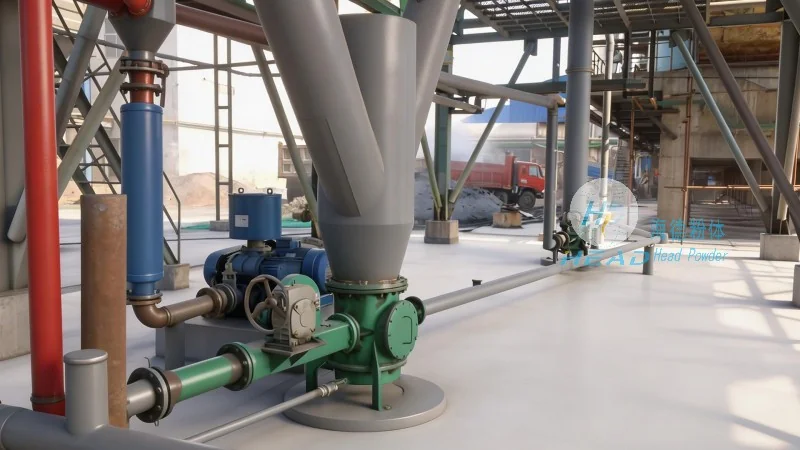
As a leading manufacturer of pneumatic conveying systems, Shandong HeadPowder Engineering Co., Ltd. specializes in providing customized solutions tailored to the unique needs of grain and bulk particle handling. With a focus on innovation and quality, HeadPowder's systems are designed to meet the highest industry standards for efficiency, reliability, and hygiene. By leveraging advanced engineering and manufacturing techniques, HeadPowder ensures that their pneumatic conveying lines deliver consistent performance, helping businesses in the grain processing industry achieve greater operational efficiency and cost savings. Whether for short or long-distance transport, HeadPowder's solutions offer a robust and adaptable approach to material handling, supporting the continuous improvement of industrial processes.




