Organic fertilizer pneumatic conveying systems are integral to modern agricultural and industrial processes, facilitating the efficient transport of organic materials. Understanding the components that make up such systems is crucial for optimizing performance, ensuring reliability, and maintaining operational efficiency. This article provides a detailed overview of the key elements that constitute an organic fertilizer pneumatic conveying system, highlighting the role of each component in the overall process. The information presented here is based on the expertise of Shandong HeadPowder Engineering Co., Ltd., a leading manufacturer of pneumatic conveying systems based in China.
Core Components of Organic Fertilizer Pneumatic Conveying Systems
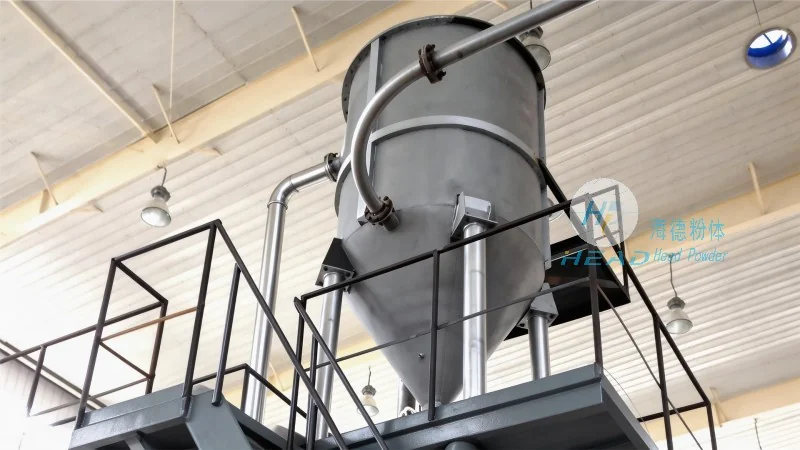
The primary components of an organic fertilizer pneumatic conveying system include the material hopper, conveyor pipeline, air supply system, and control unit. Each of these elements works in concert to enable the movement of organic fertilizer from its source to the desired destination. The material hopper serves as the storage and feeding mechanism, ensuring a consistent flow of fertilizer into the system. The conveyor pipeline, typically made from durable materials like stainless steel or high-density polyethylene, transports the material through the system under pressure. The air supply system generates the necessary airflow to move the material, often utilizing blowers or compressors. Finally, the control unit manages the entire operation, regulating the flow of material and air to maintain optimal performance.
Material Hopper and Feeding Mechanism
The material hopper is a critical component that stores the organic fertilizer before it is conveyed. It is designed to handle bulk organic materials, such as compost, manure, or other organic residues. The hopper features a feeding mechanism, often a rotary valve or a screw feeder, which controls the rate at which material is released into the pipeline. This mechanism ensures a steady and controlled flow of fertilizer, preventing blockages and maintaining consistent pressure within the system. The design of the hopper also considers the characteristics of the organic material, such as moisture content and particle size, to minimize degradation and ensure efficient feeding.
Conveyor Pipeline and Airflow Management
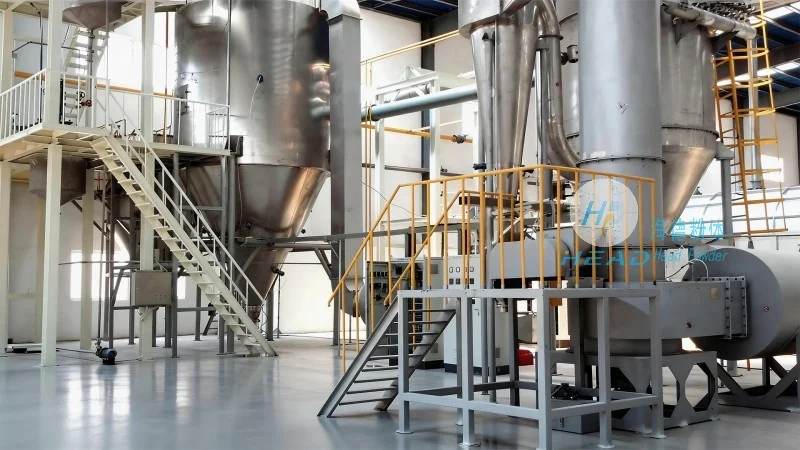
The conveyor pipeline is the backbone of the pneumatic conveying system, responsible for transporting the organic fertilizer through the system. It is constructed from materials that are resistant to corrosion and wear, such as stainless steel or specialized plastics, to withstand the abrasive nature of organic materials. The pipeline is typically arranged in a loop or a series of straight sections, with bends and elbows that are carefully designed to minimize pressure loss and prevent material accumulation. The airflow within the pipeline is managed by the air supply system, which generates a consistent flow of air to move the material. The velocity of the air is carefully controlled to ensure that the material is conveyed efficiently without causing excessive wear on the pipeline or the system components.
Air Supply System and Blower Units
The air supply system is a vital component that provides the necessary pressure and airflow to move the organic fertilizer through the pipeline. It typically consists of a blower or a compressor, which generates the required air pressure. The choice of blower depends on the specific application, with options including positive displacement blowers and centrifugal blowers. Positive displacement blowers are often preferred for organic fertilizer applications due to their ability to maintain consistent airflow even at varying material loads. The blower is connected to the pipeline via a manifold or a series of ducts, ensuring that the air is distributed evenly throughout the system. The air supply system also includes filters and moisture separators to maintain air quality and prevent contamination of the organic material.
Control Unit and Automation Features
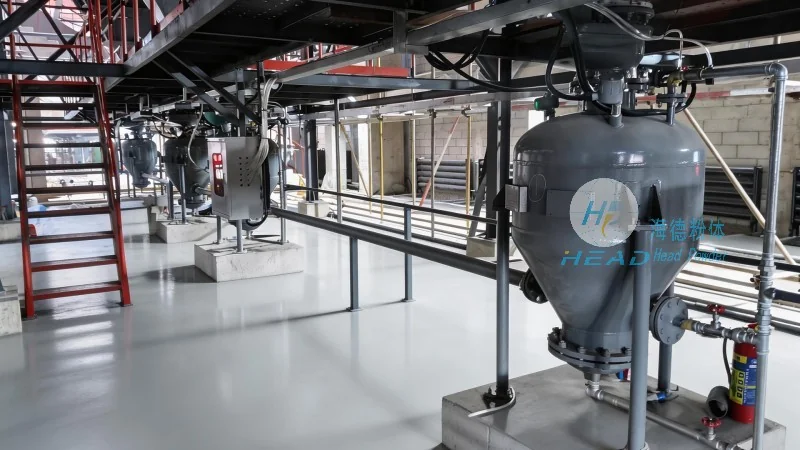
The control unit is responsible for managing the entire operation of the organic fertilizer pneumatic conveying system. It monitors various parameters, such as material flow rate, air pressure, and system temperature, to ensure that the system operates within optimal conditions. The control unit is equipped with sensors and actuators that allow for real-time adjustments to the system's performance. For example, if the material flow rate decreases, the control unit can increase the air pressure to maintain the conveying efficiency. The control unit may also include automation features, such as programmable logic controllers (PLCs), which enable the system to operate autonomously, reducing the need for manual intervention. This automation enhances the reliability and efficiency of the system, minimizing downtime and operational costs.
Additional Components and Accessories
Beyond the core components, organic fertilizer pneumatic conveying systems may include additional accessories to enhance performance and safety. These may include filters to remove dust and debris from the air, moisture separators to prevent water from entering the system, and pressure relief valves to protect the system from overpressure. Additionally, some systems may include a material separator or a classifier to remove large or foreign objects from the organic fertilizer, ensuring that only the desired material is conveyed. These accessories are essential for maintaining the quality of the organic fertilizer and protecting the system from damage.




