Coal and coke are fundamental raw materials in industries such as steel production, power generation, and chemical manufacturing. Efficient material handling is essential for optimizing production lines and maintaining consistent quality. Pneumatic conveying systems provide a sophisticated solution for transporting bulk materials like coal and coke over long distances with minimal maintenance and operational costs. This article delves into the core principles of coal and coke pneumatic conveying systems, exploring key components, operational mechanisms, and the technical advantages they offer.
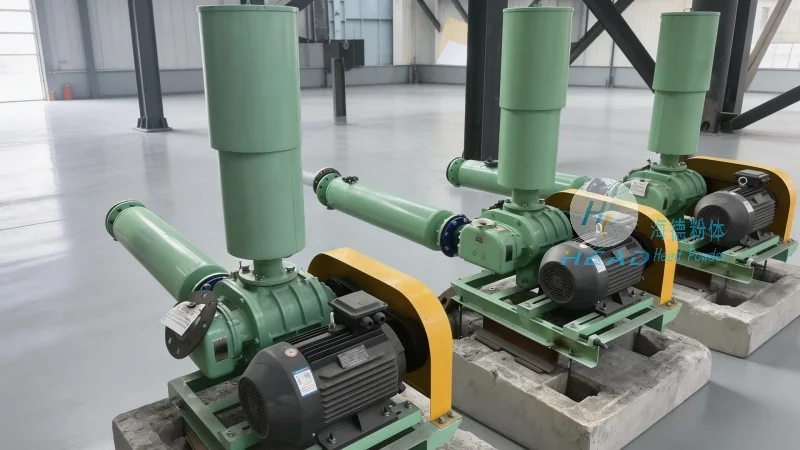
Key Components of Pneumatic Conveying Systems
The foundation of any pneumatic conveying system consists of interconnected components designed to generate, control, and direct material flow. The primary elements include a material feed hopper, a conveyor line (operating under positive or negative pressure), a separator or filter, and a discharge outlet. The feed hopper stores and meters the coal or coke, ensuring a consistent feed into the system. The conveyor line—whether positive pressure (air blown into the system to push material) or negative pressure (air drawn out to pull material)—is the system's core. Positive pressure systems are preferred for long-distance or high-capacity applications due to their ability to handle larger volumes and overcome greater resistance. The separator or filter removes entrained air and fine particles, preventing system blockages and maintaining material purity. Finally, the discharge outlet deposits the material in the desired location, such as a storage silo or processing unit.
Operational Mechanisms and Flow Types
Pneumatic conveying systems rely on fluid dynamics and particle transport principles. Two main flow types exist: dilute phase and dense phase. Dilute phase systems suspend material in a stream of air with particle velocities typically 20–30 meters per second, suitable for short to medium distances and high throughput. Dense phase systems transport material in a more compact form with lower particle velocities, ideal for long-distance conveying as it reduces wear and material degradation. The choice between flow types depends on material characteristics, conveying distance, and efficiency needs.
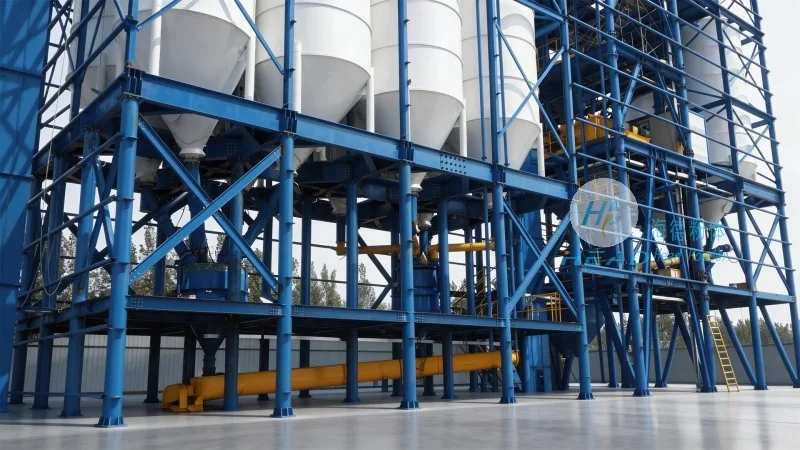
Advantages of Pneumatic Conveying for Coal and Coke
Compared to mechanical methods like belt conveyors, pneumatic systems offer distinct benefits. First, they provide an enclosed system, preventing dust emissions and contamination—critical for coal and coke, which generate airborne particulates. Second, they are highly flexible, allowing easy changes in flow direction without reconfiguration, suitable for complex layouts. Third, these systems require minimal maintenance due to fewer moving parts (e.g., no belts or chains), reducing breakdown risks and extending lifespan. Additionally, they handle a wide range of material sizes and densities, enhancing versatility.
Applications in Industrial Settings
The versatility of coal and coke pneumatic conveying systems makes them vital in sectors like steel, power, and chemicals. In steel production, they transport raw coke to blast furnaces, ensuring steady fuel supply. In power plants, they move coal from bunkers to boilers, optimizing combustion efficiency. The chemical industry uses them to transport coke or coal to reactors, while the cement industry employs them as fuel for kilns. These systems enhance production efficiency and reduce costs by providing consistent, reliable material flow.
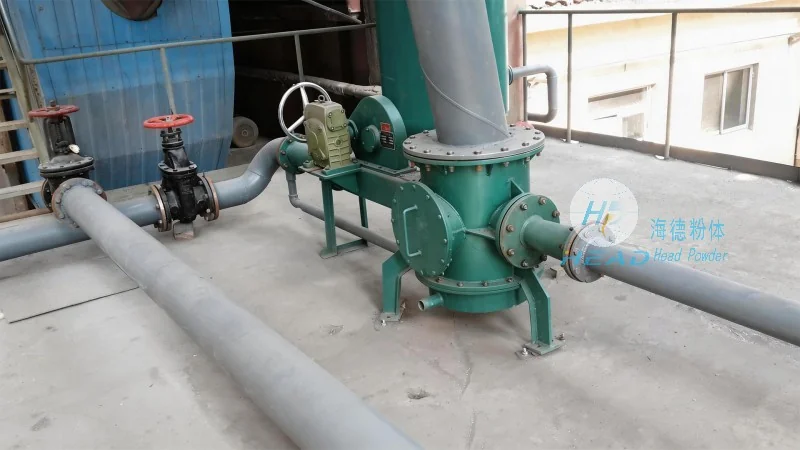
Technical Considerations and System Design
Designing effective systems involves careful technical analysis. Material properties (particle size, density, moisture) influence pressure requirements and flow type (dilute or dense phase). Conveying distance and elevation changes affect pressure drop and energy use. Capacity and throughput requirements determine conveyor line and hopper size. Environmental and safety factors, such as enclosed systems to mitigate dust and proper ventilation, are also critical. These considerations ensure systems are efficient and compliant with industry standards.
Case Study: HeadPowder's Pneumatic Conveying Solutions
Shandong HeadPowder Engineering Co., Ltd., a leading material handling solutions provider, specializes in customizing pneumatic conveying systems for coal and coke applications. With extensive industry experience, HeadPowder’s engineers collaborate with clients to assess material characteristics, production needs, and design systems that meet or exceed standards. Their solutions are recognized for reliability, efficiency, and adaptability, trusted by businesses in steel, power, and chemical sectors. The company’s commitment to quality and customer satisfaction is reflected in comprehensive after-sales support, including maintenance and troubleshooting. By leveraging advanced technology and innovative design, HeadPowder delivers high-performance systems that enhance operational efficiency and reduce costs for clients.




