Aluminum turnings, a common byproduct in metalworking processes, require efficient handling and transportation for industrial applications. The aluminum turnings pneumatic conveying system is a specialized solution designed to address these challenges by utilizing air as the conveying medium. This system is particularly valuable in industries such as aluminum smelting, foundries, and recycling operations, where the handling of lightweight, abrasive, and potentially dust-producing materials is essential. The core of this system lies in its ability to transport aluminum turnings from one location to another without the need for mechanical components like belts or buckets, making it a preferred choice for applications where material contamination or damage must be minimized.
Understanding the Aluminum Turnings Pneumatic Conveying System
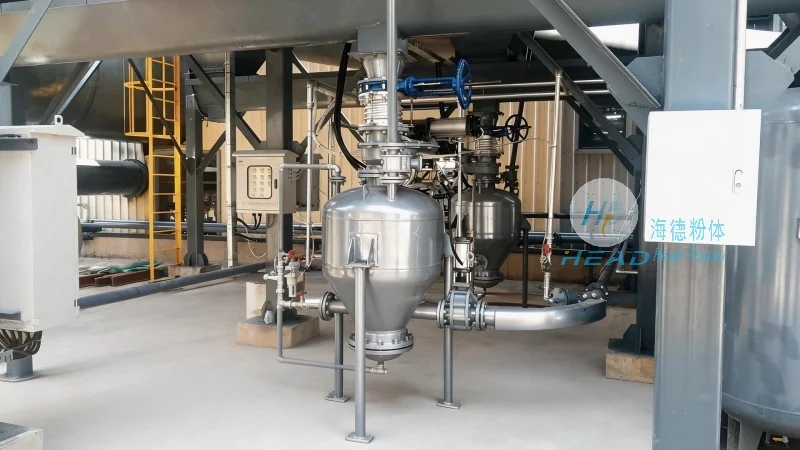
At its essence, an aluminum turnings pneumatic conveying system is a closed-loop or open-loop system that uses compressed air to move aluminum turnings through a pipeline. The system typically consists of several key components, including a material feeder, a conveying line, a separation unit, and a receiver. The material feeder, often a rotary valve or a screw feeder, introduces aluminum turnings into the system at a controlled rate. The conveying line, usually made of stainless steel or other corrosion-resistant materials, transports the material through the system. The separation unit, such as a cyclone or a filter, separates the air from the aluminum turnings, ensuring that the material is delivered to the receiver without contamination. The receiver, often a hopper or a storage tank, collects the aluminum turnings for further processing.
Design Principles of the Aluminum Turnings Pneumatic Conveying System
The design of an aluminum turnings pneumatic conveying system is based on several fundamental principles to ensure efficient and reliable operation. The first principle is the selection of the appropriate conveying velocity. The velocity of the air must be sufficient to overcome the gravitational and frictional forces acting on the aluminum turnings, ensuring that the material remains in suspension and is conveyed effectively. The second principle is the proper sizing of the conveying line. The diameter and length of the line are critical factors that affect the system's performance, as they determine the pressure drop and the capacity of the system. The third principle is the selection of the material of construction. The conveying line and other components must be made of materials that are resistant to corrosion and abrasion, as aluminum turnings can be abrasive and may contain chemicals that could damage standard materials. The fourth principle is the incorporation of a separation system. The separation unit must be designed to efficiently separate the air from the aluminum turnings, ensuring that the material is delivered to the receiver without loss or contamination. The fifth principle is the control of the system. The system must be equipped with controls that allow for the adjustment of the conveying rate, pressure, and other parameters to optimize performance and prevent damage to the system or the material.
Key Components and Their Functions
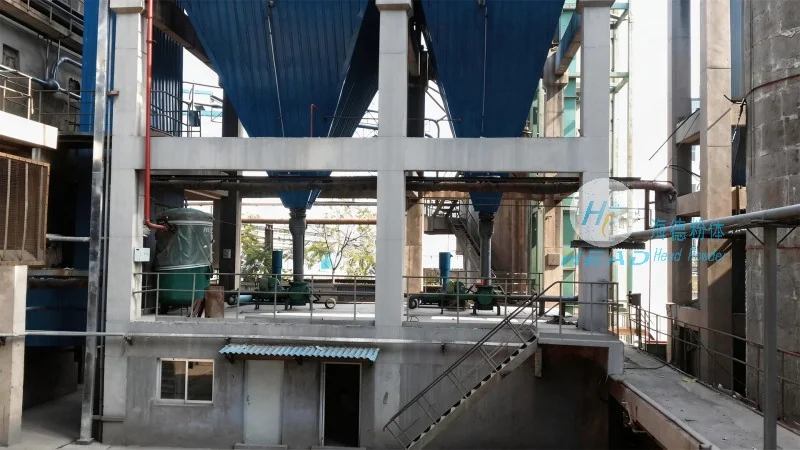
The aluminum turnings pneumatic conveying system relies on several key components, each with a specific function to ensure the system operates efficiently. The material feeder is responsible for introducing aluminum turnings into the system at a controlled rate. The rotary valve, a common type of feeder, uses a rotating disc to meter the material, ensuring a consistent flow rate. The screw feeder, another option, uses a rotating screw to push the material forward, providing a more precise control over the flow rate. The conveying line is the main component of the system, responsible for transporting the aluminum turnings through the pipeline. The line is typically made of stainless steel or other corrosion-resistant materials, as aluminum turnings can be abrasive and may contain chemicals that could damage standard materials. The separation unit is a critical component that separates the air from the aluminum turnings. The cyclone separator is a common type of separation unit, which uses centrifugal force to separate the material from the air. The filter, another option, uses a filter medium to trap the material and allow the air to pass through. The receiver is the final component of the system, responsible for collecting the aluminum turnings. The receiver is typically a hopper or a storage tank, designed to hold the material until it is processed further.
Advantages of the Aluminum Turnings Pneumatic Conveying System
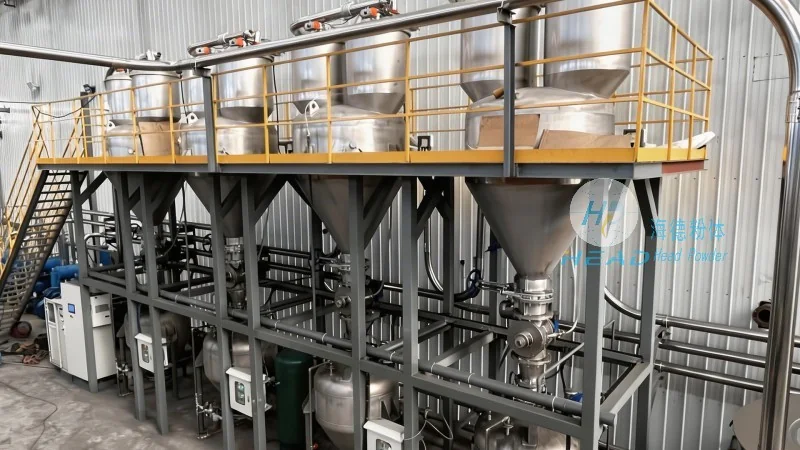
The aluminum turnings pneumatic conveying system offers several advantages over traditional mechanical conveying systems. The first advantage is the reduction in material handling time. The system can transport aluminum turnings over long distances without the need for intermediate storage or handling, reducing the overall time required for material processing. The second advantage is the reduction in material damage. The system uses air as the conveying medium, which minimizes the risk of material damage or contamination. The third advantage is the reduction in labor costs. The system is automated, requiring minimal human intervention, which reduces labor costs and improves safety. The fourth advantage is the reduction in maintenance costs. The system has fewer moving parts compared to mechanical systems, reducing the need for maintenance and repair. The fifth advantage is the flexibility of the system. The system can be easily adjusted to handle different types of aluminum turnings or to change the conveying rate, making it a versatile solution for various industrial applications.
Applications of the Aluminum Turnings Pneumatic Conveying System
The aluminum turnings pneumatic conveying system is used in a variety of industrial applications, particularly in the aluminum industry. The system is used in aluminum smelting operations to transport aluminum turnings from the melting furnace to the casting area. It is also used in foundries to transport aluminum turnings from the casting machine to the recycling facility. The system is used in recycling operations to transport aluminum turnings from the collection point to the processing plant. The system is also used in other industries, such as automotive and aerospace, where aluminum turnings are used as a raw material for manufacturing parts. The system's ability to handle lightweight, abrasive, and potentially dust-producing materials makes it an ideal solution for these applications.




