Main Structures for Pneumatic Conveying of Sawdust Particles?
Release time:2026-09-14 10:49:44
name of the company:Shandong Headpowder Engineering Co., Ltd.
telephone:156-6277-7102
contacts:Zhang manager
Shandong HeadPowder Engineering Co., Ltd., a leading provider in the field, specializes in the design and implementation of advanced pneumatic conveying systems tailored for sawdust particles. This article explores the primary structural components and configurations that form the backbone of efficient sawdust particle transportation, emphasizing the technical aspects and practical applications in industrial settings.
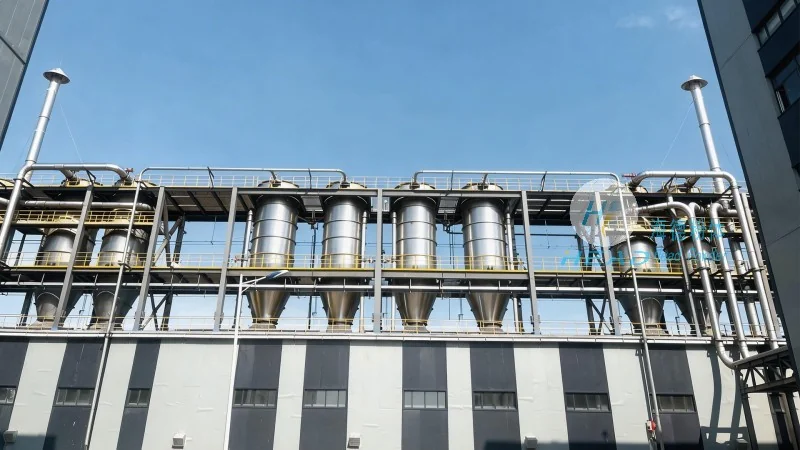
Key Structural Components of Sawdust Particle Pneumatic Conveying Systems
The pneumatic conveying of sawdust particles relies on a combination of specialized equipment and engineering principles to ensure reliable and efficient material handling. The core components typically include the following:
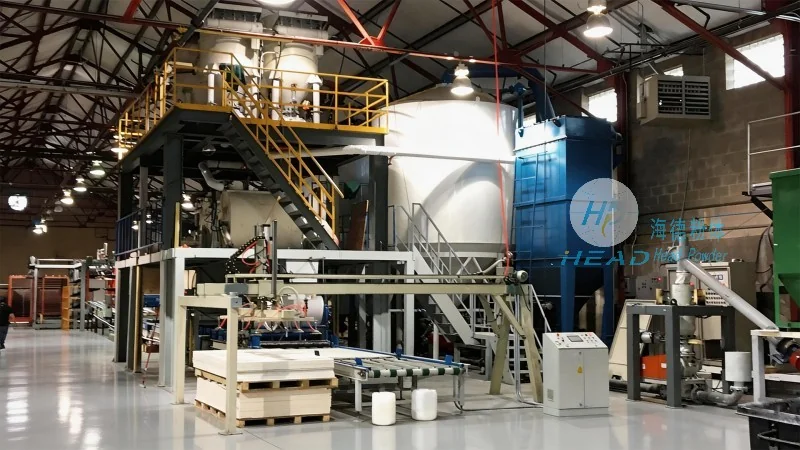
- Conveying Ducts: These are the primary pathways through which sawdust particles are transported. Made from materials resistant to abrasion and corrosion, such as stainless steel or high-density polyethylene, the ducts are designed to withstand the abrasive nature of sawdust while maintaining low pressure drop. The diameter and length of the ducts are critical factors, as they directly impact the system's efficiency and energy consumption.
- Air Supply System: Comprising blowers or fans, this system generates the necessary airflow to move sawdust particles. The choice of equipment depends on the system's capacity and the specific characteristics of the sawdust, including particle size, moisture content, and density. High-pressure blowers are often used for dense-phase conveying, while low-pressure fans are suitable for dilute-phase applications.
- Feeders and Hoppers: These components are responsible for introducing sawdust particles into the conveying system. Hoppers are typically equipped with feeders like rotary valves or screw conveyors to ensure a consistent and controlled flow of material. The design of the hopper and feeder must prevent material bridging and ensure smooth discharge, which is crucial for maintaining system performance.
- Separation and Collection Units: At the receiving end, these units separate the conveyed sawdust from the air stream. Cyclone separators are commonly used for this purpose, utilizing centrifugal force to separate particles from the gas. For fine particles or high efficiency, multi-stage cyclones or bag filters may be employed to ensure minimal dust loss and compliance with environmental regulations.
Common Pneumatic Conveying Configurations for Sawdust Particles
Depending on the application and operational requirements, several configurations are employed in sawdust particle pneumatic conveying systems. The most prevalent include:
- Dilute-Phase Conveying: This configuration involves transporting sawdust particles in a relatively low concentration within the air stream. It is suitable for short to medium distances and low to moderate particle loads. The system operates at higher air velocities, typically 20-30 m/s, and is characterized by lower energy consumption compared to dense-phase systems.
- Dense-Phase Conveying: In this configuration, sawdust particles are conveyed at a higher concentration, often with a solid-to-gas ratio of 0.5 to 0.8. This method is ideal for long-distance transport and handling of abrasive or sensitive materials. The system operates at lower air velocities (5-15 m/s) and higher pressure, which reduces particle degradation and equipment wear.
- Pneumatic Conveying with Vacuum: This setup uses a vacuum pump to draw sawdust particles from a source and transport them to a collection point. It is particularly useful for applications where the material needs to be transferred from a lower elevation or when the source is located in a confined space. The vacuum system provides flexibility in layout and can handle both dilute and dense-phase conveying.
Design Considerations for Efficient Sawdust Particle Pneumatic Conveying
Effective design of a sawdust particle pneumatic conveying system requires careful consideration of several factors to ensure optimal performance and longevity. Key design considerations include:
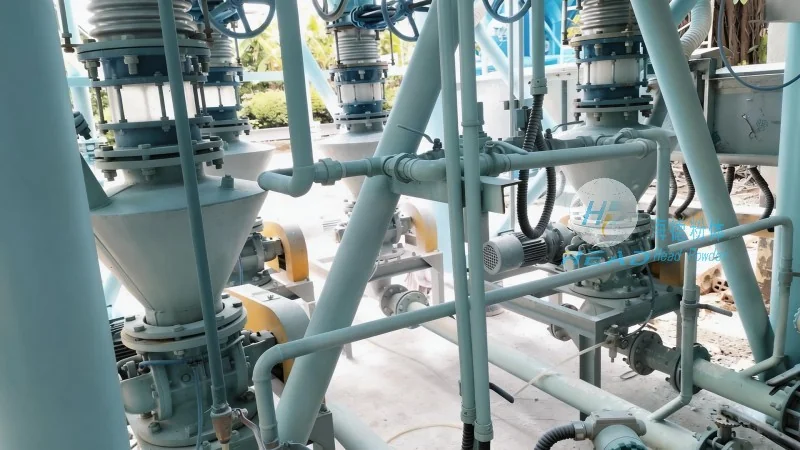
- Particle Characteristics: The size, shape, moisture content, and density of sawdust particles significantly influence system design. Larger or more abrasive particles may require reinforced ducts and more robust equipment to prevent wear and tear. Moisture content affects the material's flowability and can impact the system's efficiency, necessitating appropriate drying or moisture control measures.
- System Capacity and Distance: The required conveying capacity and the distance between the source and destination dictate the system's scale and configuration. For high-capacity applications over long distances, dense-phase conveying with larger duct diameters and high-pressure blowers may be necessary. Conversely, shorter distances with lower capacity may be suitable for dilute-phase systems with smaller equipment.
- Environmental and Safety Regulations: Compliance with environmental regulations, such as dust emission limits, is a critical consideration. The design must include effective dust collection and filtration systems to minimize air pollution. Additionally, safety measures, such as explosion-proof components for flammable sawdust, must be incorporated to protect personnel and equipment.
- Energy Efficiency and Maintenance: Optimizing energy consumption is essential for cost-effective operation. This involves selecting appropriate equipment, minimizing pressure losses in ducts, and implementing regular maintenance schedules. Proper maintenance, including cleaning of ducts and replacement of worn parts, is crucial to maintain system efficiency and extend equipment life.
Conclusion and Company Expertise
Shandong HeadPowder Engineering Co., Ltd. leverages its expertise in pneumatic conveying technology to provide customized solutions for the efficient handling of sawdust particles. By integrating advanced structural components and optimized configurations, the company ensures reliable and sustainable material transport, meeting the diverse needs of industrial applications. With a focus on quality, efficiency, and compliance, HeadPowder continues to be a trusted partner in the sawdust processing industry.




