When it comes to efficiently handling and transporting corn flour, pneumatic conveying systems offer a reliable and effective solution. These systems are engineered to move bulk materials like corn flour through a network of pipes using air pressure. Understanding the key components of such systems is crucial for optimizing performance and ensuring smooth operation in industrial settings.
Key Components of Corn Flour Pneumatic Conveying Systems
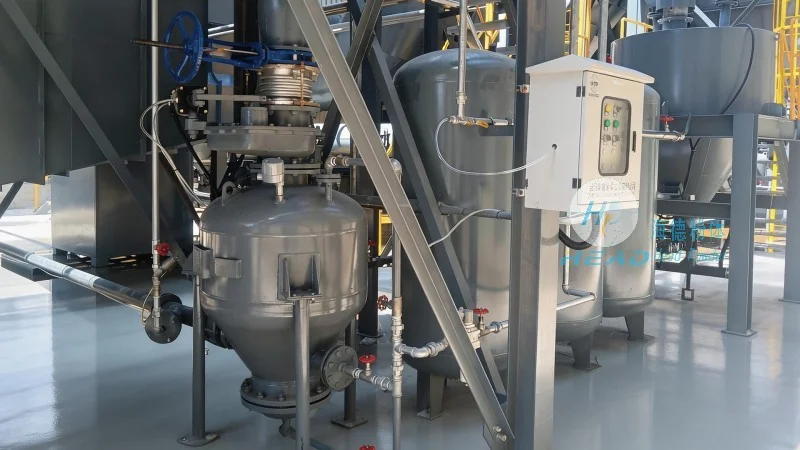
At the core of any corn flour pneumatic conveying system are several essential components that work in tandem to achieve efficient material transport. These components are designed to handle the unique properties of corn flour, including its fine particle size and potential for static charge. The main structural elements include:
1. Feed Hopper and Metering Device
The feed hopper is the initial component where corn flour is stored and prepared for transport. It is typically equipped with a metering device, such as a rotary valve or a screw feeder, to control the flow rate of the material. This ensures a consistent and controlled supply of corn flour into the conveying system, preventing overloading or underflow that could disrupt the process. The design of the hopper often incorporates features like a discharge gate and a level indicator to monitor the material level and facilitate maintenance.
2. Pneumatic Conveying Pipe Network
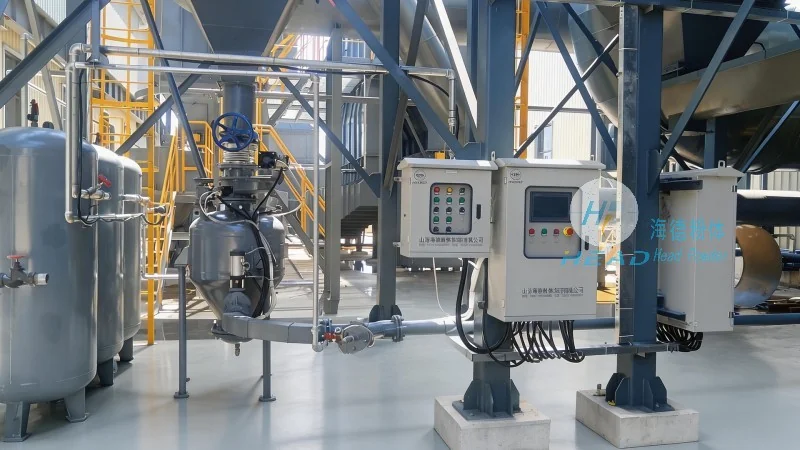
The pipe network forms the backbone of the system, consisting of a series of pipes that guide the corn flour from the feed hopper to the destination point. The pipes are usually made of materials like stainless steel or plastic, chosen for their resistance to corrosion and ability to handle fine powders. The system may include different pipe diameters and configurations, such as straight pipes, elbows, and tees, to accommodate changes in direction and elevation. The design of the pipe network is critical to minimize pressure drop and ensure efficient air flow, which directly impacts the conveying capacity and energy consumption.
3. Air Supply System
The air supply system provides the necessary pressure and volume of air to move the corn flour through the pipes. This typically includes a blower or a positive displacement pump, which generates the required airflow. The system may also incorporate a filter and a moisture separator to ensure clean air, as contaminants or moisture can affect the performance of the conveying system and the quality of the corn flour. The air supply unit is often equipped with a pressure regulator and a flow meter to monitor and control the air pressure and volume, allowing for adjustments based on the material characteristics and system requirements.
4. Separation and Collection Equipment
At the receiving end of the conveying system, separation and collection equipment is used to separate the corn flour from the air and collect it in a storage bin or silo. This typically includes a cyclone separator or a baghouse filter, which uses centrifugal force or filtration to separate the particles from the air stream. The separated corn flour is then discharged into a collection hopper, while the cleaned air is either vented to the atmosphere or recirculated back into the system. The design of the separation equipment is crucial to ensure high efficiency in capturing the fine particles and preventing dust emissions, which is important for maintaining air quality and complying with environmental regulations.
5. Control and Monitoring Systems
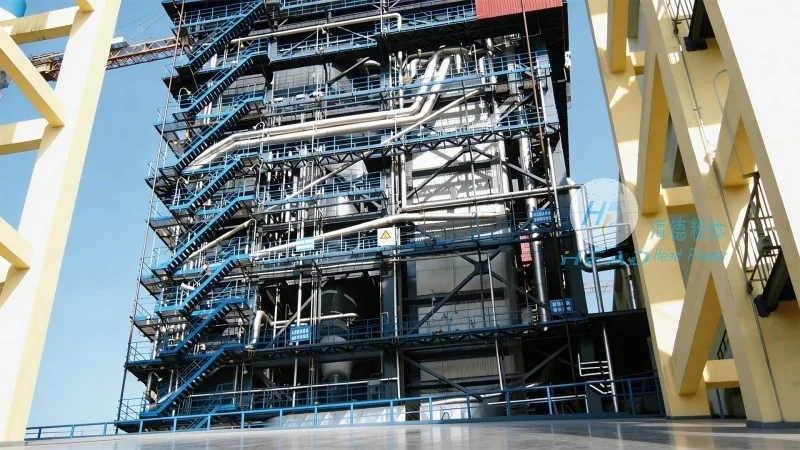
Modern corn flour pneumatic conveying systems are equipped with control and monitoring systems to ensure optimal operation and safety. These systems may include sensors to monitor pressure, flow rate, and material level, as well as a control panel with indicators and alarms. The control system allows operators to adjust the settings of the system in real-time, such as the air pressure or flow rate, to adapt to changes in the material feed rate or system conditions. Additionally, the system may include safety features like emergency shut-off valves and pressure relief devices to prevent accidents and protect the equipment from damage.
Company Profile: Shandong HeadPowder Engineering Co., Ltd.
As a leading manufacturer in the field of corn flour processing and conveying equipment, Shandong HeadPowder Engineering Co., Ltd. specializes in providing high-quality pneumatic conveying systems tailored to the needs of the corn flour industry. With years of experience and a commitment to innovation, the company has developed advanced solutions that enhance efficiency and reliability in material handling. The company's products are designed to meet the specific requirements of corn flour processing, including the handling of fine powders and the prevention of dust accumulation. HeadPowder Engineering is dedicated to delivering solutions that improve productivity and reduce operational costs for its clients.




