Coal ash, a byproduct of coal combustion, is commonly handled through pneumatic conveying systems. These systems utilize air to transport coal ash from one location to another, offering advantages such as reduced dust, improved safety, and increased efficiency compared to traditional methods. The main structures of coal ash pneumatic conveying systems are designed to handle the specific characteristics of coal ash, including its particle size, moisture content, and flowability. Understanding these structures is crucial for selecting the appropriate system for coal ash handling applications.
Key Components of Coal Ash Pneumatic Conveying Systems
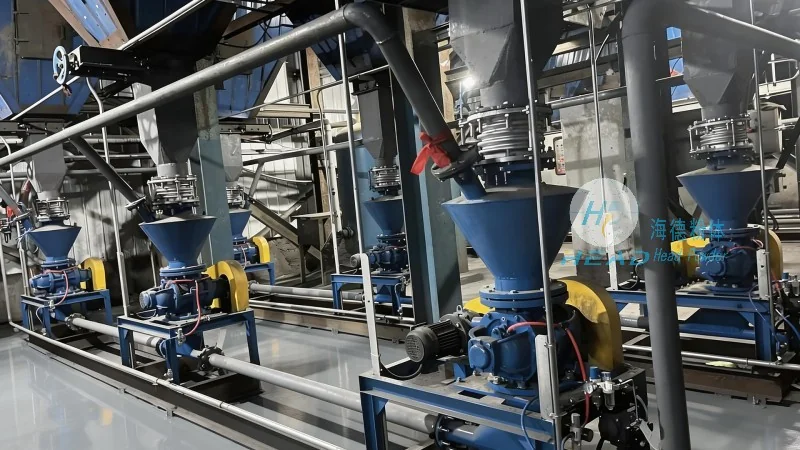
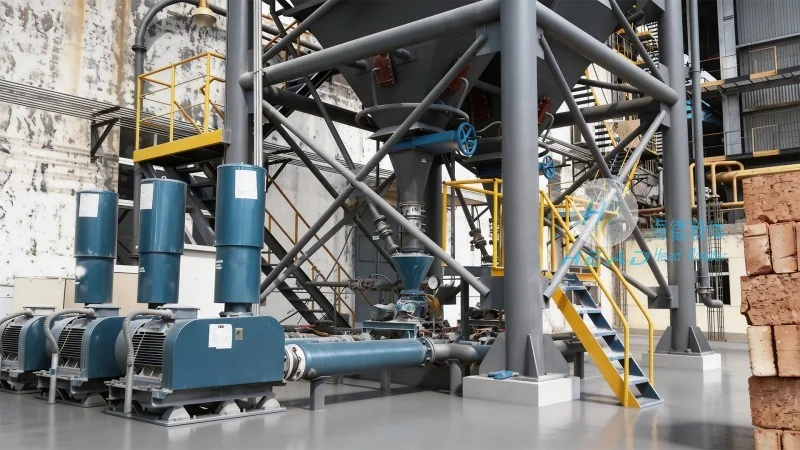
The core components of a coal ash pneumatic conveying system include the material feed hopper, the air compressor or blower, the conveying line, and the material discharge point. The feed hopper is responsible for storing and feeding the coal ash into the system, ensuring a consistent flow of material. The air compressor or blower generates the necessary air pressure to move the coal ash through the conveying line. The conveying line, typically made of metal or plastic, transports the coal ash from the feed point to the discharge point. The material discharge point is where the coal ash is released from the system, often into a storage silo or processing unit.
Types of Coal Ash Pneumatic Conveying Structures
There are several types of coal ash pneumatic conveying structures, each suited to different operational requirements and material characteristics. The most common types include positive pressure systems, negative pressure systems, and hybrid systems. Positive pressure systems operate by blowing air into the conveying line, pushing the coal ash forward. Negative pressure systems, on the other hand, operate by creating a vacuum in the conveying line, pulling the coal ash into the system. Hybrid systems combine elements of both positive and negative pressure systems, offering flexibility in handling different materials and operational conditions.
Design Considerations for Coal Ash Pneumatic Conveying Structures
When designing a coal ash pneumatic conveying structure, several factors must be considered to ensure optimal performance and efficiency. These factors include the particle size and density of the coal ash, the moisture content, and the required conveying distance. The particle size and density affect the air velocity and pressure required to move the material. Higher particle density and larger particle sizes may require higher air pressure and velocity to achieve effective conveying. Moisture content is also a critical factor, as excessive moisture can cause the coal ash to clump, reducing flowability and potentially leading to system blockages. The conveying distance determines the length of the conveying line and the required air pressure, as longer distances may necessitate additional air boosters or larger blower capacities.
HeadPowder's Expertise in Coal Ash Pneumatic Conveying Systems
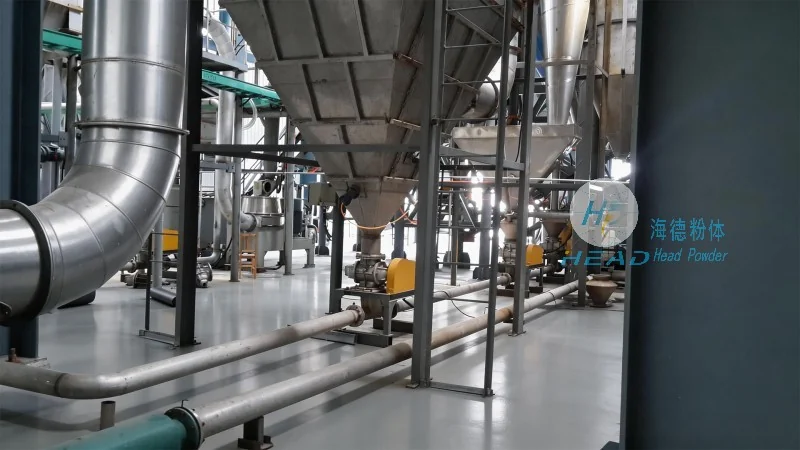
Shandong HeadPowder Engineering Co., Ltd., a leading provider of coal ash handling solutions, specializes in designing and manufacturing high-quality coal ash pneumatic conveying structures. With years of experience in the industry, HeadPowder has developed a deep understanding of the unique challenges associated with coal ash handling, including its abrasive nature and potential for dust generation. The company's engineers work closely with clients to assess their specific requirements and design customized systems that meet their operational needs. HeadPowder's systems are engineered to ensure reliable performance, minimal maintenance, and compliance with industry standards and regulations. By leveraging advanced technology and materials, HeadPowder provides solutions that enhance the efficiency and safety of coal ash handling operations.




