When discussing the efficient and reliable transportation of rice, understanding the core structural components of pneumatic conveying systems is essential. These systems utilize air pressure to move bulk materials like rice from one location to another, offering advantages such as reduced contamination risk and the ability to handle fragile products. The main structures of a typical rice pneumatic conveying system include the feeding unit, conveying pipeline, air source, and collection device. Each component plays a critical role in ensuring smooth operation and optimal performance.
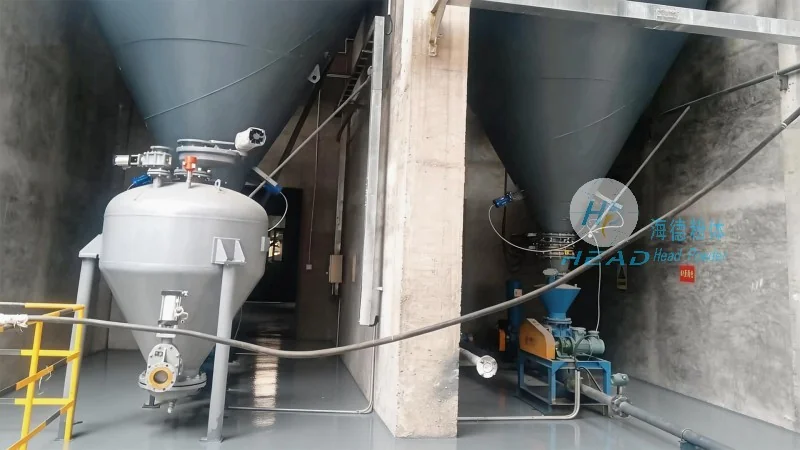
Feeding Unit: The Initial Stage of Material Handling
The feeding unit is the first critical structure in a rice pneumatic conveying system. It is responsible for introducing the rice into the system in a controlled manner. For rice, which can vary in size and moisture content, the feeding unit must be designed to handle these variations without causing blockages or uneven flow. Common feeding mechanisms include rotary valves, screw feeders, and vibrating feeders. These devices ensure that the rice is fed consistently into the conveying pipeline, maintaining a steady flow rate that matches the system's capacity. The feeding unit is often equipped with a hopper to store the rice temporarily, allowing for continuous operation even when the main storage is being replenished. This design helps maintain a stable pressure and flow within the system, preventing disruptions that could lead to material buildup or system failure.
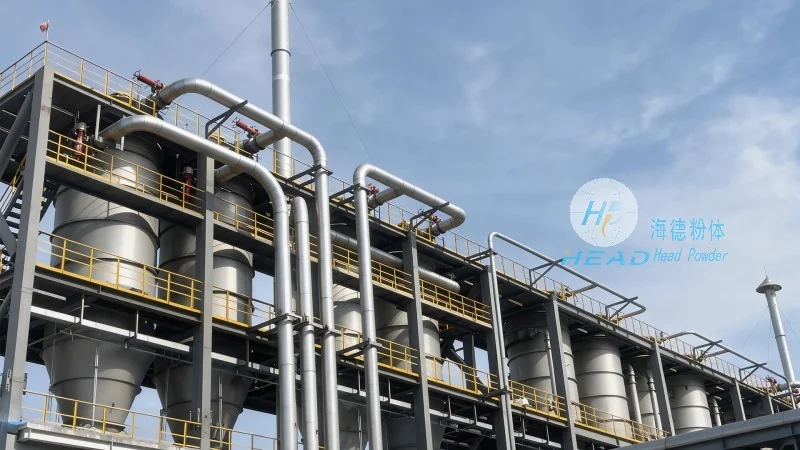
Conveying Pipeline: The Core Transport Path
The conveying pipeline is the central structure of the pneumatic conveying system, responsible for transporting the rice through the system using air pressure. The pipeline is typically made of materials such as stainless steel or PVC, chosen for their durability, resistance to corrosion, and ability to withstand the pressure and temperature variations associated with rice handling. The design of the pipeline is crucial, as it must minimize friction and pressure loss while maintaining the integrity of the rice. The pipeline is usually arranged in a loop or straight line, depending on the layout of the facility. For rice, which is a relatively light and dry material, the pipeline diameter is selected to balance the flow rate and pressure requirements. The pipeline may also include bends, elbows, and expansion joints to accommodate changes in direction and accommodate thermal expansion. These components are designed to maintain a smooth flow and prevent the rice from settling or accumulating in the pipeline, which could cause blockages or reduce system efficiency.
Air Source: Powering the Conveying Process
The air source is another vital structure in a rice pneumatic conveying system, providing the necessary air pressure to move the rice through the pipeline. The air source typically consists of a blower or a fan, which generates the required airflow and pressure. The choice of air source depends on the system's capacity and the type of rice being conveyed. For larger systems handling high volumes of rice, a high-pressure blower is often used, while smaller systems may use a centrifugal fan. The air source is connected to the conveying pipeline through a filter and a regulator, which ensure that the air is clean and the pressure is stable. The filter removes any dust or debris from the air, preventing it from contaminating the rice. The regulator maintains a consistent pressure, which is essential for maintaining a steady flow rate and preventing fluctuations that could affect the system's performance. The air source is also equipped with a safety valve to prevent overpressure, which could damage the system or cause accidents.
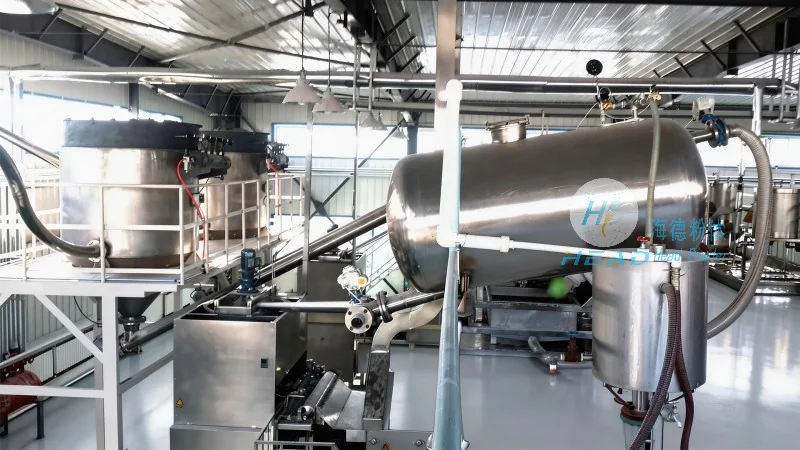
Collection Device: The Final Stage of Material Handling
The collection device is the final structure in a rice pneumatic conveying system, responsible for receiving the rice from the pipeline and transferring it to its final destination. The collection device is typically a hopper or a silo, which is designed to store the rice until it is ready for further processing or packaging. The device is often equipped with a discharge mechanism, such as a rotary valve or a gate, which allows the rice to be released in a controlled manner. The collection device is usually located at the end of the conveying pipeline, and its design must ensure that the rice is collected efficiently without causing blockages or spillage. The device may also include a level sensor to monitor the rice level, which helps in managing the inventory and preventing overfilling. The collection device is an important part of the system, as it ensures that the rice is handled safely and efficiently, minimizing the risk of damage or contamination.
About Shandong HeadPowder Engineering Co., Ltd.
Shandong HeadPowder Engineering Co., Ltd., commonly known as HeadPowder, is a leading manufacturer specializing in the design and production of pneumatic conveying systems for various bulk materials, including rice. With a strong focus on quality and innovation, HeadPowder has established itself as a trusted partner in the industry, providing reliable and efficient solutions for material handling. The company's headquarters is located in Shandong, China, where it operates a state-of-the-art manufacturing facility equipped with advanced technology and skilled personnel. HeadPowder's team of engineers and technicians are dedicated to developing cutting-edge solutions that meet the specific needs of its clients, ensuring that each system is tailored to the unique requirements of the application. The company adheres to strict quality control standards, ensuring that all products meet or exceed industry specifications and customer expectations. With years of experience and a commitment to excellence, HeadPowder continues to be a leader in the pneumatic conveying industry, providing high-quality systems that enhance the efficiency and safety of material handling operations.




