For industrial applications involving the handling of magnesium hydroxide, the selection of an appropriate pneumatic conveying system is critical to ensure efficiency, safety, and cost-effectiveness. Pneumatic conveying systems are widely used in various industries for transporting bulk materials, and the classification of these systems is essential for understanding their operational principles and suitability for specific processes. This article provides an in-depth analysis of the classification of magnesium hydroxide pneumatic conveying systems and explores their practical applications in industrial settings.
Classification of Pneumatic Conveying Systems for Magnesium Hydroxide
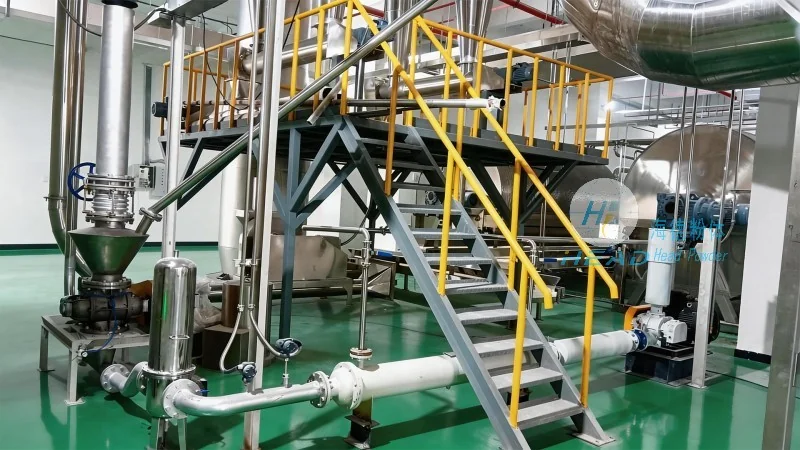
Pneumatic conveying systems can be broadly categorized based on the pressure used to transport the material. The two primary types are positive pressure systems and negative pressure systems. Positive pressure systems, also known as pressure or pressure-assisted systems, utilize compressed air to push the material through the conveying line. These systems are generally more suitable for long-distance or high-capacity applications and are commonly used in industries where the material is abrasive or has a high density. Negative pressure systems, or vacuum systems, use a vacuum to draw the material into the conveying line. These systems are often preferred for shorter distances and for materials that are light or have a low density.
Within these broad categories, pneumatic conveying systems can be further classified based on the type of air flow and the material's interaction with the air. The most common types include dilute phase and dense phase systems. Dilute phase systems operate at higher velocities, typically 20-30 meters per second, and are suitable for materials that are free-flowing and non-abrasive. Dense phase systems, on the other hand, operate at lower velocities and higher pressures, which results in a more controlled and stable flow. This type of system is ideal for handling materials that are sensitive to pressure changes or for applications requiring precise control over the material's velocity.
Key Components of Magnesium Hydroxide Pneumatic Conveying Systems
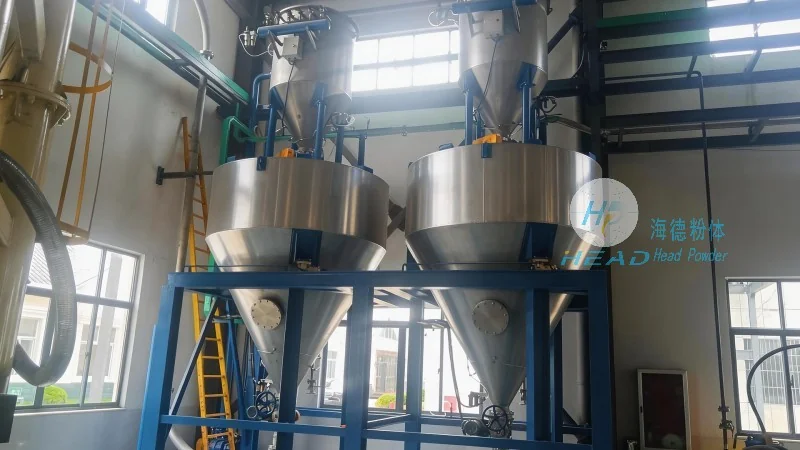
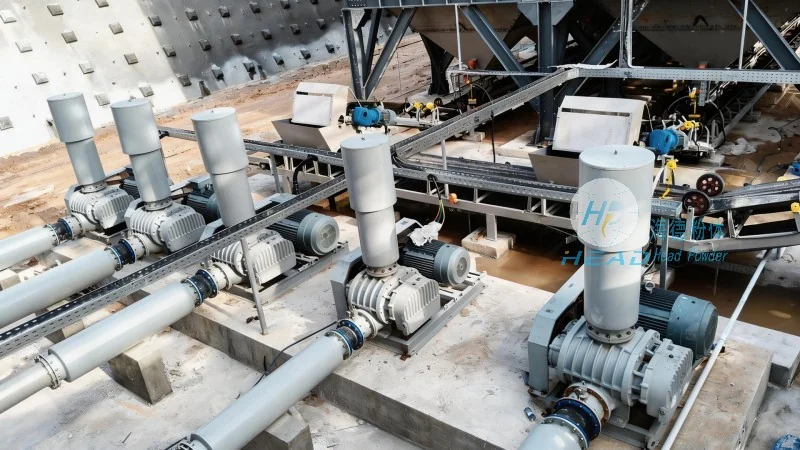
Regardless of the classification, all pneumatic conveying systems for magnesium hydroxide consist of several key components. These include a material feed hopper, a conveyor line (often made of stainless steel or other corrosion-resistant materials due to the chemical properties of magnesium hydroxide), a blower or vacuum pump, and a collection hopper or silo. The material feed hopper is designed to ensure a consistent and controlled flow of magnesium hydroxide into the system, preventing blockages and ensuring uniform conveying. The conveyor line is typically equipped with bends and elbows that are carefully designed to minimize pressure loss and prevent material degradation. The blower or vacuum pump provides the necessary pressure or vacuum to move the material through the system, and its capacity is matched to the system's requirements to ensure optimal performance. The collection hopper or silo is used to store the conveyed magnesium hydroxide, and it is often equipped with a discharge valve or other control mechanisms to regulate the material's release.
Applications of Magnesium Hydroxide Pneumatic Conveying Systems
Magnesium hydroxide is a versatile chemical compound with applications in various industries, including fire retardants, pharmaceuticals, and water treatment. The use of pneumatic conveying systems in these industries offers several advantages, including the ability to transport the material over long distances without the need for intermediate storage or handling equipment. In the fire retardant industry, for example, magnesium hydroxide is used as a flame retardant in plastics and coatings. Pneumatic conveying systems are used to transport the material from storage silos to production lines, ensuring a continuous and efficient supply. In the pharmaceutical industry, magnesium hydroxide is used as an antacid and is often mixed with other ingredients before being packaged. Pneumatic conveying systems are used to transport the material from the mixing tanks to the packaging lines, maintaining the material's purity and preventing contamination. In water treatment, magnesium hydroxide is used as a coagulant to remove impurities from water. Pneumatic conveying systems are used to transport the material from storage to the water treatment plants, ensuring a consistent supply and optimal performance.
Advantages of Using Pneumatic Conveying Systems for Magnesium Hydroxide
There are several advantages to using pneumatic conveying systems for the transport of magnesium hydroxide. One of the primary advantages is the ability to handle the material in a closed system, which helps to prevent dust emissions and maintain a clean working environment. This is particularly important for magnesium hydroxide, as it can be a respiratory irritant if inhaled. Another advantage is the flexibility of the system, which allows for easy integration with existing production lines and the ability to adjust the conveying rate as needed. Pneumatic conveying systems also offer high efficiency and low maintenance costs, as they do not require moving parts that are in direct contact with the material. This reduces the risk of material degradation and extends the life of the system components.
Challenges and Solutions in Magnesium Hydroxide Pneumatic Conveying
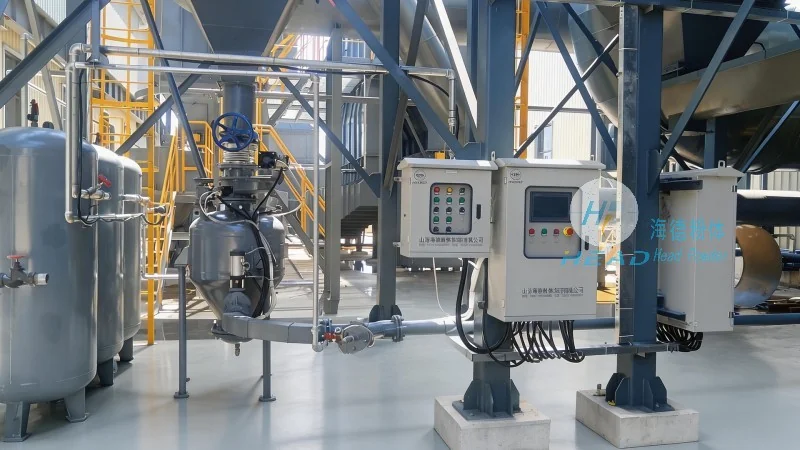
Despite the advantages, there are challenges associated with the use of pneumatic conveying systems for magnesium hydroxide. One of the main challenges is the material's tendency to agglomerate or form clumps, which can cause blockages in the conveyor line. To address this, the system may include a pre-treatment step, such as a de-agglomeration device or a vibration feeder, to break up the clumps before they enter the conveyor line. Another challenge is the material's abrasive nature, which can cause wear and tear on the conveyor line and other components. To mitigate this, the system may use corrosion-resistant materials, such as stainless steel or polyethylene, and may include regular maintenance and inspection schedules to detect and replace worn parts.
Conclusion
In conclusion, the classification and application of magnesium hydroxide pneumatic conveying systems are critical for ensuring efficient and safe material handling in various industrial applications. The choice of system depends on factors such as the material's properties, the distance to be conveyed, and the required conveying rate. By understanding the different types of pneumatic conveying systems and their components, industries can select the most appropriate system for their specific needs and maximize the benefits of using magnesium hydroxide in their processes. As a leading provider of engineering solutions for bulk material handling, Shandong HeadPowder Engineering Co., Ltd. specializes in designing and manufacturing customized pneumatic conveying systems for magnesium hydroxide and other materials, ensuring optimal performance and reliability for our clients.




