High-temperature fine ash, a byproduct commonly generated in thermal power plants and industrial furnaces, poses unique challenges during material handling due to its thermal properties and particle size characteristics. Traditional mechanical conveying methods often struggle with the high temperatures and fine particle sizes, leading to issues such as material degradation, equipment wear, and operational inefficiencies. Pneumatic conveying emerges as a superior solution, offering efficient, flexible, and reliable transportation of these materials under demanding conditions. This article explores the critical role of pneumatic conveying systems in handling high-temperature fine ash, highlighting the technical advantages and practical applications that make it an indispensable technology in modern industrial operations.
Understanding High-Temperature Fine Ash and Its Transportation Challenges
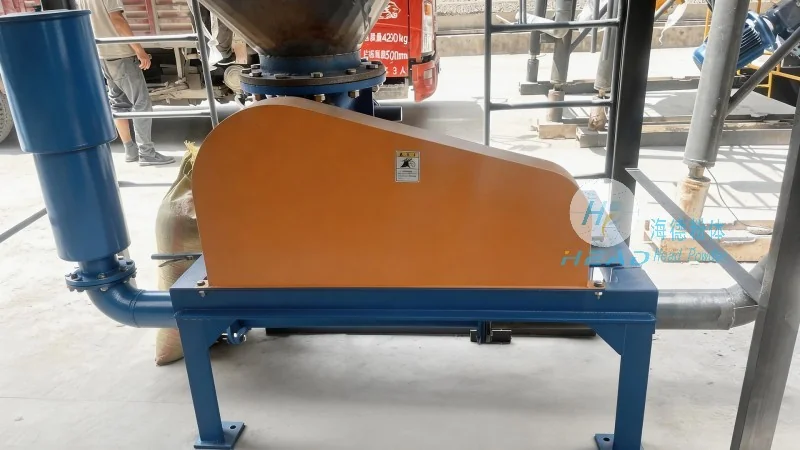
High-temperature fine ash, typically produced from the combustion of coal or other fossil fuels, consists of fine particulate matter with temperatures ranging from several hundred to over a thousand degrees Celsius. These particles are often abrasive and can be highly reactive, requiring specialized equipment to prevent damage and ensure safe handling. Traditional belt conveyors or screw conveyors may suffer from thermal degradation of the material, increased wear on components, and potential blockages due to the fine particle size. Additionally, the high temperature can cause thermal expansion in metal parts, leading to mechanical failures over time. These challenges necessitate a conveying method that can handle both the thermal and physical properties of the ash without compromising on efficiency or safety.
Pneumatic Conveying Systems: Technical Advantages for High-Temperature Applications
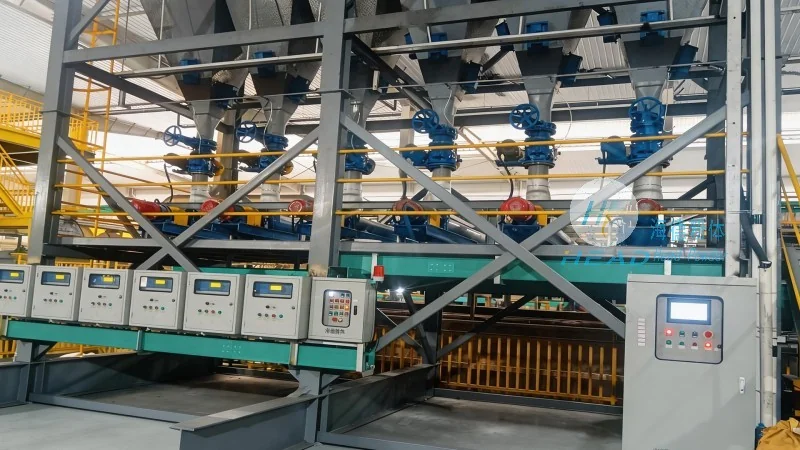
Pneumatic conveying systems utilize compressed air or gas to transport bulk materials through a pipeline network. For high-temperature fine ash, specific system designs are employed to address the unique challenges associated with the material. Key technical advantages include: thermal resistance, where specialized materials of construction (e.g., stainless steel, heat-resistant alloys) are used to withstand the high temperatures without deformation or failure. flexible pipeline configurations allow for complex layouts that can navigate around obstacles, optimizing the material flow path and reducing the need for additional equipment. low maintenance requirements compared to mechanical systems, as there are fewer moving parts exposed to the abrasive ash particles. environmental benefits, as pneumatic systems can be designed with dust collection and filtration to minimize emissions and comply with environmental regulations. These advantages make pneumatic conveying an ideal choice for high-temperature fine ash transportation, where reliability and efficiency are paramount.
HeadPowder Engineering: Expertise in High-Temperature Pneumatic Conveying Solutions
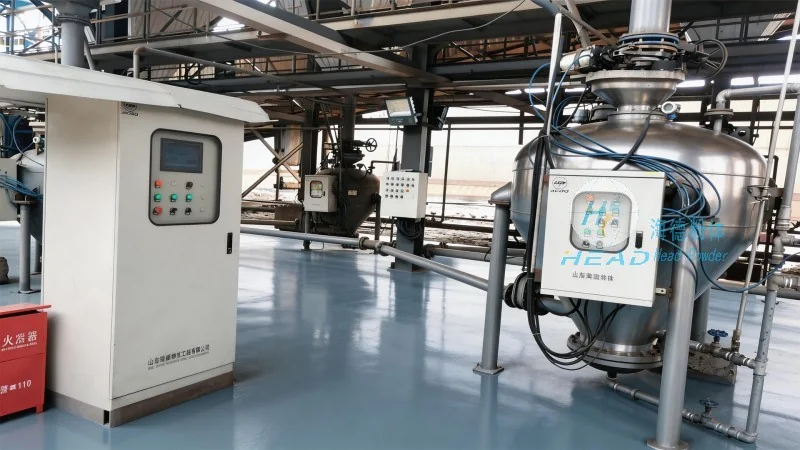
Shandong HeadPowder Engineering Co., Ltd., a leading provider of bulk material handling solutions, specializes in designing and manufacturing pneumatic conveying systems tailored to the demands of high-temperature fine ash applications. With a focus on innovation and customer-centric solutions, HeadPowder leverages decades of industry experience to deliver systems that meet the strictest operational requirements. The company’s expertise lies in: custom system design, where each project is assessed to determine the optimal conveying method, pipeline layout, and equipment specifications. material compatibility, ensuring that all components are suitable for the specific ash composition and temperature range, preventing corrosion or degradation. energy efficiency, through the use of advanced air compressors and flow control technologies that minimize energy consumption while maintaining high throughput. long-term support, including installation, commissioning, and ongoing maintenance services to ensure the system operates at peak performance throughout its lifecycle. HeadPowder’s commitment to quality and customer satisfaction has established it as a trusted partner for industries relying on reliable high-temperature fine ash transportation.
Case Studies: Successful Implementation of Pneumatic Conveying in High-Temperature Ash Handling
Real-world applications demonstrate the effectiveness of pneumatic conveying systems in high-temperature fine ash handling. For instance, a thermal power plant in Shandong Province, China, implemented a HeadPowder-designed pneumatic conveying system to transport ash from the boiler to the storage silo. The system, operating at temperatures up to 800°C, successfully handled the fine ash without material degradation or equipment failure. The plant reported a 30% reduction in maintenance costs and a 20% increase in operational efficiency compared to traditional mechanical systems. Another case involved an industrial furnace manufacturer, where HeadPowder’s system was used to convey ash from the furnace to a recycling facility. The system’s ability to handle abrasive particles and high temperatures ensured consistent material flow, enabling the manufacturer to meet production targets without interruptions. These case studies highlight the practical benefits of pneumatic conveying in high-temperature applications, reinforcing its role as a preferred solution for industries dealing with fine ash.
Conclusion: The Future of High-Temperature Fine Ash Transportation with Pneumatic Conveying
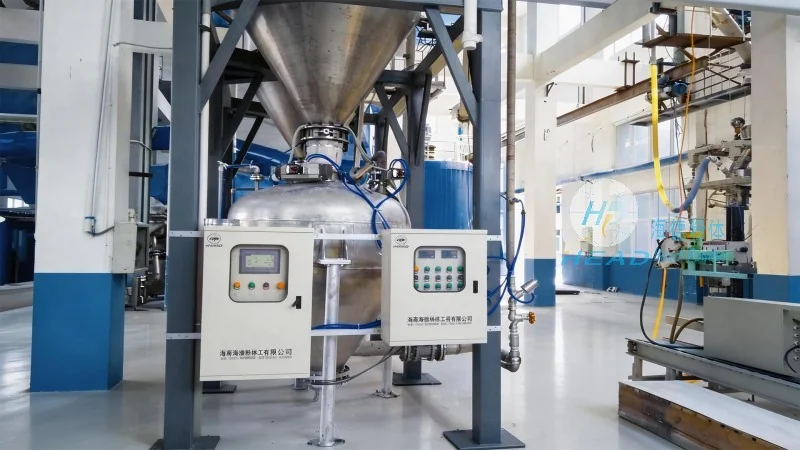
As industries continue to rely on thermal power and industrial furnaces, the demand for efficient and reliable high-temperature fine ash transportation systems will only grow. Pneumatic conveying, with its technical advantages and proven performance, remains a cornerstone technology in addressing the challenges posed by fine ash. Companies like Shandong HeadPowder Engineering Co., Ltd. play a vital role in advancing this technology, providing tailored solutions that meet the specific needs of each application. By leveraging pneumatic conveying systems, industries can enhance operational efficiency, reduce maintenance costs, and ensure compliance with environmental regulations. The future of high-temperature fine ash transportation lies in the continued development and application of advanced pneumatic conveying technologies, with companies like HeadPowder leading the way in delivering innovative solutions for a sustainable and efficient industrial future.




