For industrial operations dealing with kaolin, the choice of material handling technology is critical to efficiency, cost-effectiveness, and product integrity. Pneumatic conveying has emerged as a sophisticated solution that addresses the unique challenges associated with transporting kaolin, a fine, white clay mineral widely used in ceramics, paper, and coatings industries. This article explores the pivotal role of pneumatic conveying in the efficient and reliable transport of kaolin, highlighting its benefits, operational principles, and practical applications.
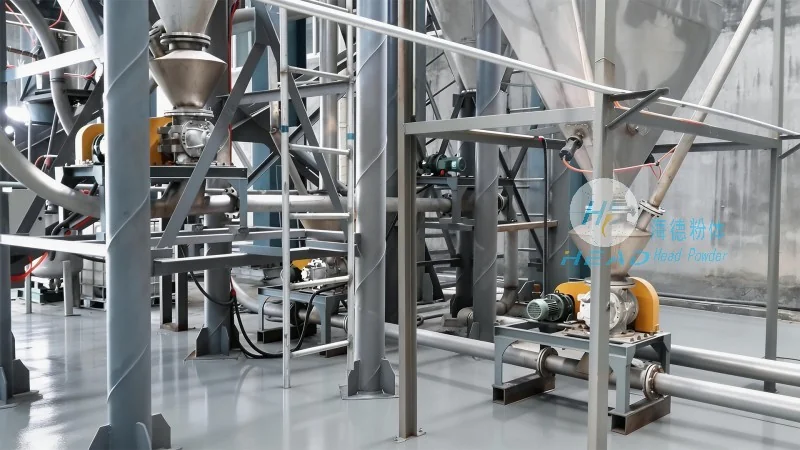
HeadPowder, a leading provider of advanced material handling solutions, specializes in designing and implementing pneumatic conveying systems tailored to the demands of kaolin processing. With a strong presence in China, particularly in Shandong, the company leverages its expertise to deliver customized solutions that enhance productivity and reduce operational costs for clients in the kaolin sector.
Characteristics of Kaolin and the Challenges in Its Transport
Kaolin, also known as china clay, is characterized by its fine particle size, low bulk density, and high moisture content in some cases. These properties make traditional bulk handling methods, such as belt conveyors or screw conveyors, less effective due to issues like particle segregation, dust generation, and material degradation. The fine nature of kaolin particles also increases the risk of clogging in conventional equipment, leading to downtime and increased maintenance expenses. Pneumatic conveying addresses these challenges by using air to transport material in a sealed system, minimizing exposure to the environment and preventing contamination.
How Pneumatic Conveying Works
Pneumatic conveying systems operate by creating a pressure differential between the material feed point and the discharge point. In a positive pressure system, air is forced through a pipeline at a high velocity, carrying the kaolin particles along with it. The air velocity is carefully controlled to ensure that the particles remain suspended without settling or causing blockages. In contrast, negative pressure (or vacuum) systems draw material into the pipeline using a vacuum pump, which is often more suitable for long-distance or multi-point collection applications. The choice between positive and negative pressure depends on factors such as the distance to be covered, the number of transfer points, and the specific characteristics of the kaolin being handled.
Advantages of Pneumatic Conveying for Kaolin Transport
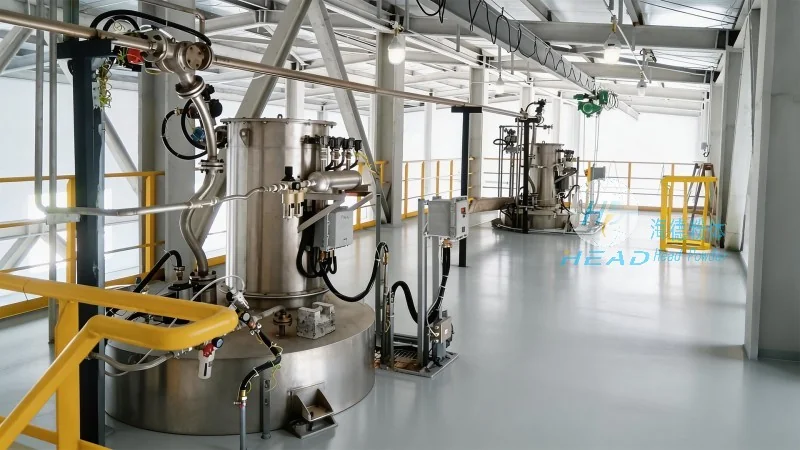
One of the primary advantages of pneumatic conveying is its ability to handle fine, abrasive materials like kaolin without causing wear and tear on equipment. The sealed system prevents dust emissions, which is crucial for maintaining a clean and safe working environment, especially in industries where dust can affect product quality or pose health risks. Additionally, pneumatic conveying allows for gentle handling of kaolin particles, preserving their physical properties and preventing agglomeration or degradation that could impact downstream processes. This results in higher product quality and reduced waste, contributing to improved overall profitability.
System Design and Customization for Kaolin Handling
HeadPowder recognizes that each kaolin processing facility has unique requirements, and therefore, offers customized pneumatic conveying solutions. The design process involves a thorough analysis of the kaolin characteristics, including particle size distribution, moisture content, and bulk density, as well as the operational parameters such as the required transport distance and throughput. The company’s engineers work closely with clients to select the appropriate conveying method (positive or negative pressure), determine the optimal air velocity and pressure, and specify the necessary equipment, including feeders, cyclones, filters, and silos. By tailoring the system to the specific needs of the kaolin operation, HeadPowder ensures maximum efficiency and minimal downtime.
Real-World Applications and Success Stories
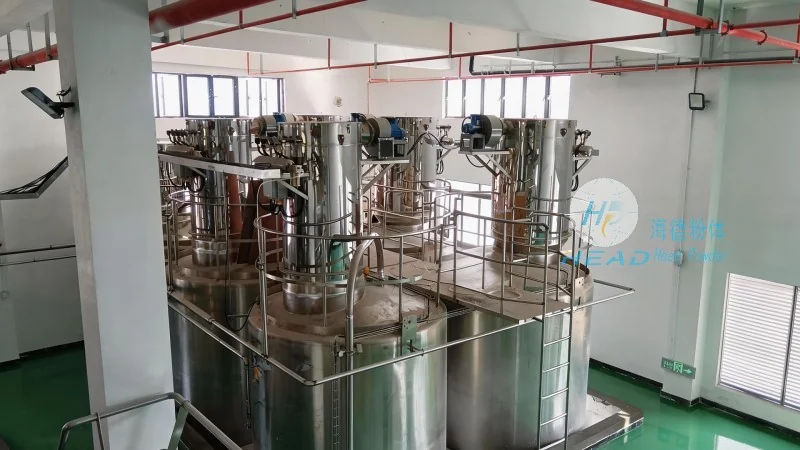
HeadPowder has successfully implemented pneumatic conveying systems for numerous kaolin processing plants across China. For example, a client in Shandong required a system to transport kaolin from a mine to a processing plant over a distance of 2 kilometers. The HeadPowder team designed a positive pressure system with a high-capacity blower and a series of cyclones to separate the air from the material. The system was installed and commissioned within a short timeframe, achieving a throughput of 50 tons per hour with minimal maintenance. The client reported a significant reduction in operational costs and an improvement in product quality, as the pneumatic system prevented dust contamination and preserved the fine particles of kaolin.
Maintenance and Reliability of Pneumatic Conveying Systems
Proper maintenance is essential to ensure the long-term reliability of pneumatic conveying systems used for kaolin transport. HeadPowder provides comprehensive maintenance services, including regular inspections of the blower, cyclones, and filters, as well as replacement of worn parts. The company’s technicians are trained to identify potential issues early, preventing major breakdowns and minimizing downtime. Additionally, the use of high-quality materials and components in the system design contributes to its durability and longevity. By investing in regular maintenance and using reliable equipment, clients can maximize the lifespan of their pneumatic conveying system and continue to benefit from its efficiency and cost savings.
Conclusion: The Role of Pneumatic Conveying in Enhancing Kaolin Operations
Pneumatic conveying has proven to be an indispensable technology for the efficient and reliable transport of kaolin in industrial applications. By addressing the unique challenges associated with handling fine, abrasive materials, this method enhances productivity, reduces costs, and maintains product quality. HeadPowder, with its expertise and customized solutions, plays a crucial role in helping kaolin processing facilities achieve their operational goals. As the demand for kaolin continues to grow, the adoption of advanced pneumatic conveying systems will remain essential for staying competitive and sustainable in the industry.




