Desulfurization gypsum, or flue gas desulfurization gypsum, is a significant byproduct generated during the removal of sulfur dioxide from flue gases in thermal power plants and industrial facilities. It is a calcium sulfate dihydrate (CaSO₄·2H₂O) material that holds substantial value across multiple industries, including construction, agriculture, and environmental management. The technical parameters of this material and the efficient transport systems used to handle it are fundamental to optimizing its utilization and ensuring operational excellence in industrial processes.
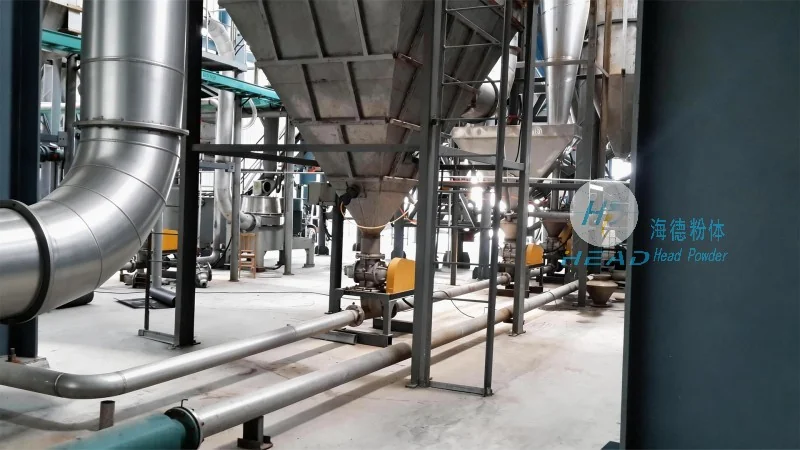
Company Profile: Shandong HeadPowder Engineering Co., Ltd.
Shandong HeadPowder Engineering Co., Ltd., operating under the brand name HeadPowder, is a prominent enterprise dedicated to the advancement of desulfurization gypsum technology and its practical applications. Headquartered in Shandong, China, the company has built a strong reputation for its innovative solutions, rigorous quality control, and commitment to sustainable industrial practices. HeadPowder specializes in the processing, transport, and utilization of desulfurization gypsum, serving clients in the power generation, construction, and environmental sectors. The company's team of experts leverages extensive experience and cutting-edge research to provide tailored solutions that meet the specific needs of each project, ensuring optimal performance and environmental compliance.
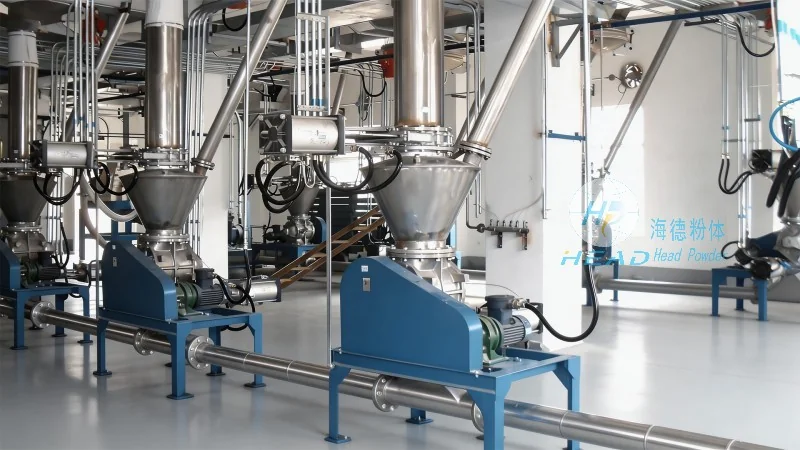
Key Technical Parameters of Desulfurization Gypsum
The technical parameters of desulfurization gypsum are meticulously defined to ensure its suitability for diverse applications. These parameters include particle size distribution, moisture content, chemical composition, and mechanical properties. Particle size distribution is a critical factor affecting the gypsum's workability and setting time. Coarser particles may lead to slower setting and reduced workability, while finer particles can enhance flow and reduce drying time. Moisture content is another vital parameter, as excessive moisture can cause handling difficulties and affect the final product's quality. Typically, desulfurization gypsum is processed to achieve a moisture content between 5% and 10%, depending on the intended use. Chemical composition, particularly the purity of calcium sulfate dihydrate, is essential for applications like gypsum board production. High purity ensures consistent performance and compliance with industry standards. Mechanical properties such as compressive strength and durability are important for construction materials, as they determine the longevity and structural integrity of the end product. HeadPowder employs advanced testing methodologies to verify that its desulfurization gypsum meets or exceeds the required technical specifications, providing clients with reliable and high-quality material for their operations.
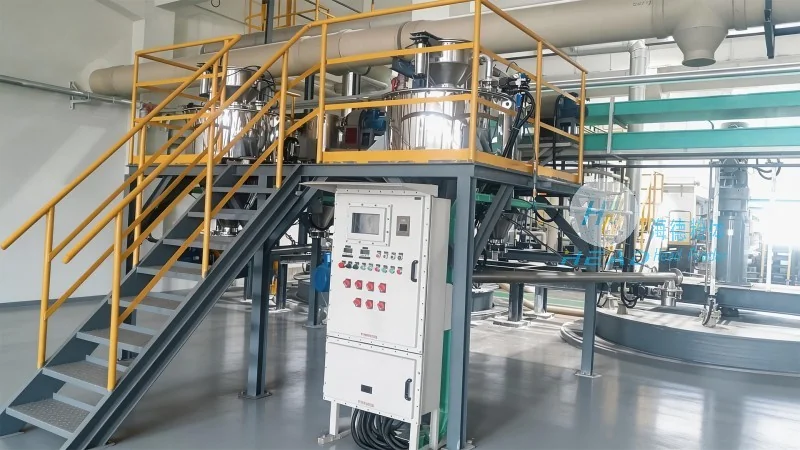
Transport System Process and Operational Efficiency
The transport system for desulfurization gypsum is designed to facilitate the safe and efficient movement of the material from the point of generation to its final destination. The process begins with the collection of wet gypsum slurry from the desulfurization unit, which is then subjected to dewatering and drying to achieve the desired moisture level. The dried gypsum is then transferred to storage silos or directly to transport vehicles. HeadPowder utilizes a combination of advanced transport technologies, including pneumatic conveying systems, belt conveyors, and truck transport, to handle the material. Pneumatic conveying systems are particularly effective for long-distance transport, as they can move dry gypsum through pipelines with minimal dust and consistent flow. These systems are equipped with pressure regulators and filters to maintain air quality and prevent material loss. Belt conveyors are commonly used for bulk transport within industrial sites, providing a continuous and reliable method of moving large quantities of gypsum from the drying unit to storage or processing facilities. They are designed to handle heavy loads and operate with low maintenance costs. Truck transport is employed for shorter distances or when direct delivery to construction sites, agricultural fields, or other end-users is required. The trucks are equipped with specialized containers to ensure proper containment and prevent dust emissions during transport. The transport system is integrated with environmental control measures, such as dust suppression systems and emission filters, to comply with local environmental regulations and minimize the impact on the surrounding environment. HeadPowder's expertise in transport system design ensures that the gypsum is delivered in optimal condition, ready for its intended application without compromising safety or efficiency.
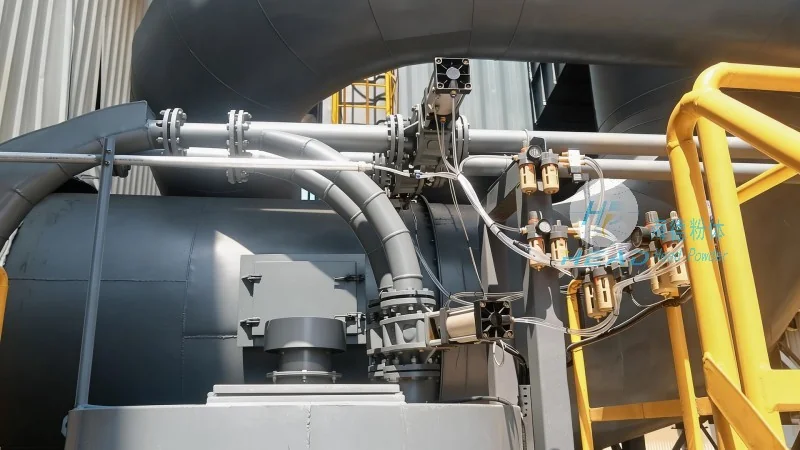
Applications and Economic Benefits
Desulfurization gypsum finds extensive applications due to its favorable technical characteristics and economic advantages. In the construction industry, it is a primary raw material for the production of gypsum board, plaster, and cement. The material's high purity and consistent quality make it an excellent substitute for natural gypsum, offering benefits such as improved workability, reduced drying time, and enhanced fire resistance. Gypsum boards produced from desulfurization gypsum are widely used in interior wall and ceiling applications, providing a lightweight, durable, and fire-resistant solution. In agriculture, the gypsum is utilized as a soil amendment to improve soil structure, increase water retention, and provide essential nutrients like calcium and sulfur. The material's neutral pH and low solubility make it safe for various soil types, enhancing crop productivity and soil health. It is particularly effective in acidic soils, where it helps to neutralize acidity and improve nutrient availability. Additionally, desulfurization gypsum is used in environmental remediation projects, such as land reclamation and water treatment, where its ability to neutralize acidic soils and improve water quality is valuable. The sustainable utilization of desulfurization gypsum not only reduces the environmental impact of flue gas desulfurization but also creates economic value from a byproduct that would otherwise be disposed of as waste. HeadPowder's comprehensive solutions for desulfurization gypsum processing and transport enable clients to fully leverage the benefits of this material, contributing to both environmental sustainability and industrial efficiency. By optimizing the use of desulfurization gypsum, industries can achieve cost savings, reduce waste, and enhance their overall operational performance.




