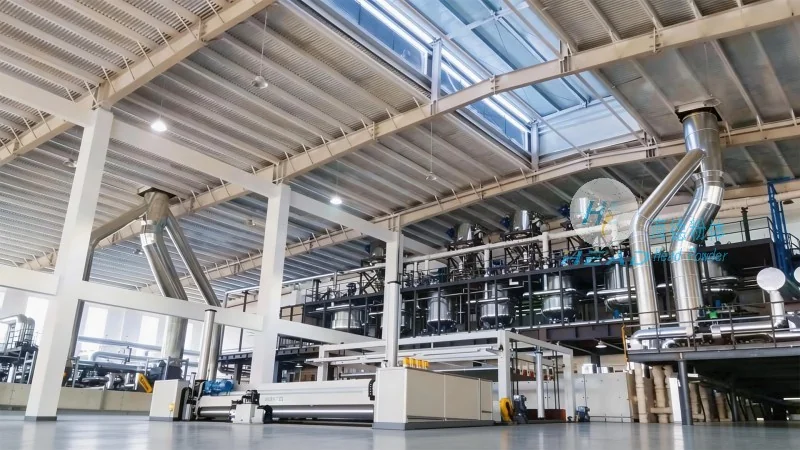
Starch pneumatic conveying systems are critical in the processing and handling of starch materials, offering efficient and reliable methods for transporting starch powders and granules. Understanding the different types, key characteristics, and application ranges of these systems is essential for industries relying on starch as a raw material. This article explores the various options available, highlighting how each type addresses specific operational needs and material properties. Shandong HeadPowder Engineering Co., Ltd., a leading manufacturer of starch processing equipment, specializes in designing and supplying pneumatic conveying systems tailored to the unique needs of starch handling operations.
Introduction to Starch Pneumatic Conveying
Starch pneumatic conveying involves the use of air or gas to transport starch particles through a pipeline system. This method is widely adopted in the food, pharmaceutical, and chemical industries due to its ability to handle fine powders and granules without the need for mechanical components that might cause contamination or degradation. The primary goal of these systems is to move starch efficiently from storage to processing units, maintaining product quality and operational safety.
Types of Starch Pneumatic Conveying Systems
There are several types of starch pneumatic conveying systems, each designed to suit different material characteristics and operational requirements. The main categories include pressure conveying, vacuum conveying, and mixed conveying systems. Each type operates on distinct principles, affecting the system's performance, energy consumption, and suitability for specific starch products.
Pressure Conveying Systems
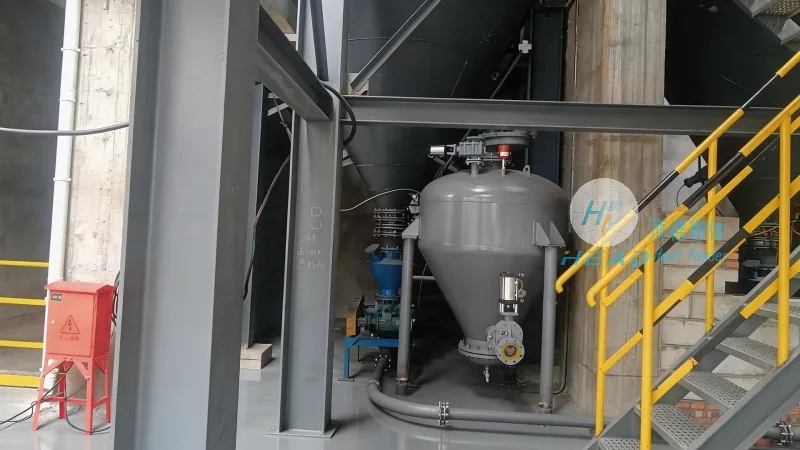
Pressure conveying systems use compressed air to push starch particles through the pipeline. This method is ideal for transporting materials over longer distances and through multiple bends or changes in elevation. The system typically includes a positive displacement blower or compressor that generates the necessary pressure to move the material. Key advantages of pressure conveying include high transport capacity, ability to handle abrasive or sticky starch materials, and reduced risk of product degradation due to minimal contact with system components. However, it requires more energy compared to vacuum systems and may need additional equipment for air filtration and moisture control.
Vacuum Conveying Systems
Vacuum conveying systems operate by creating a negative pressure in the pipeline, drawing starch particles from the source to the destination. This method is well-suited for short to medium-distance transport and is particularly effective for handling fine powders that are prone to dusting or caking. The system uses a vacuum pump to create the suction force, with the material being drawn through the pipeline by the air flow. Vacuum conveying is generally more energy-efficient than pressure systems, especially for shorter distances, and is easier to install in existing facilities. However, it may have lower transport capacity and is less effective for handling bulk or heavy starch loads.
Mixed Conveying Systems
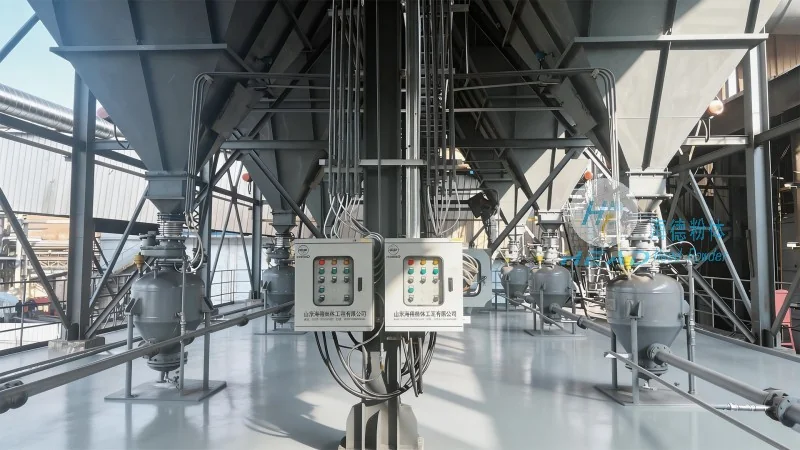
Mixed conveying systems combine elements of both pressure and vacuum conveying to optimize performance for specific applications. These systems use a combination of positive and negative pressure to transport starch particles, allowing for greater flexibility in handling different material types and operational conditions. For instance, a mixed system might use a vacuum to draw the starch from the source and then apply pressure to push it through the pipeline to the processing unit. This approach can enhance the system's efficiency and reduce energy consumption by adapting to the specific needs of the starch material being handled.
Key Characteristics of Starch Pneumatic Conveying
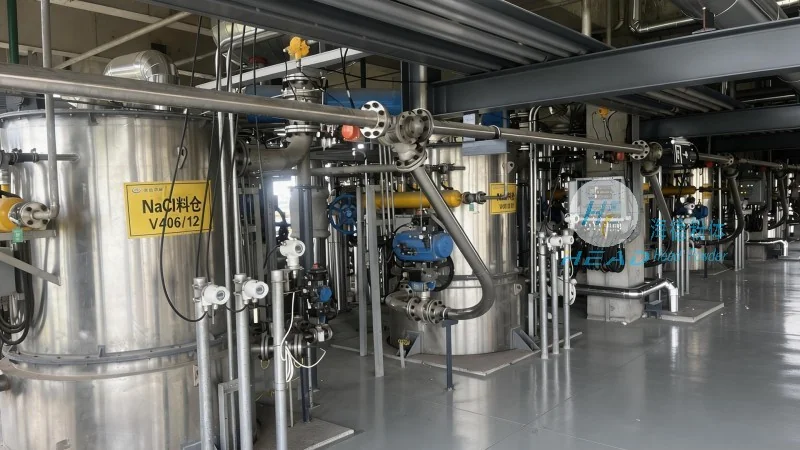
Regardless of the type, starch pneumatic conveying systems share several key characteristics that contribute to their effectiveness and reliability. These include the ability to handle fine powders and granules without segregation or degradation, the maintenance of product purity and quality, and the reduction of labor costs associated with manual handling. The systems are also designed to minimize dust generation and environmental impact, which is crucial for industries operating under strict regulatory standards. Additionally, modern starch pneumatic conveying systems incorporate advanced control technologies, such as variable frequency drives and real-time monitoring, to optimize performance and ensure consistent material flow.
Application Ranges of Starch Pneumatic Conveying
The application ranges of starch pneumatic conveying systems are broad and cover various industries that utilize starch as a raw material. In the food industry, these systems are commonly used in the production of starch-based products like starch syrups, modified starches, and starch derivatives. They facilitate the transport of raw starch from storage silos to processing lines, ensuring a continuous and efficient supply of material. In the pharmaceutical industry, starch pneumatic conveying is employed in the manufacturing of starch-based excipients and drug formulations, where product purity and contamination control are paramount. The systems help maintain the integrity of the starch material, preventing any degradation that could affect the final product quality.




