Food pneumatic conveying systems are essential in the food processing industry for efficiently transporting bulk materials like powders, granules, and other food products. These systems utilize air or gas to move materials through a pipeline, offering advantages such as hygiene, speed, and reduced contamination risks compared to traditional mechanical conveying methods. As a leading provider in the field, Shandong HeadPowder Engineering Co., Ltd. specializes in designing and manufacturing customized solutions tailored to the unique needs of food manufacturers.
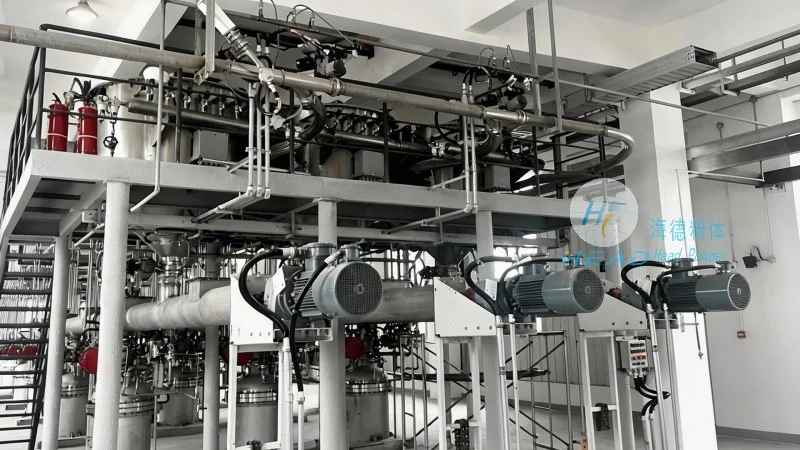
Types of Food Pneumatic Conveying Systems
There are primarily two main types of food pneumatic conveying systems: suction (or vacuum) conveying and pressure (or positive) conveying. Each type has distinct characteristics and is suitable for different operational requirements.
Suction conveying systems operate by creating a negative pressure (vacuum) at the inlet to draw material into the pipeline. This method is ideal for handling materials that are light, dusty, or require gentle handling to prevent product degradation. The system typically uses a vacuum pump to generate the necessary suction force, and the material is transported from a source, such as a hopper or silo, to a destination like a processing unit or packaging line. Suction conveying is commonly used in applications where the material is to be collected from multiple points or where the source is at a lower elevation than the destination.
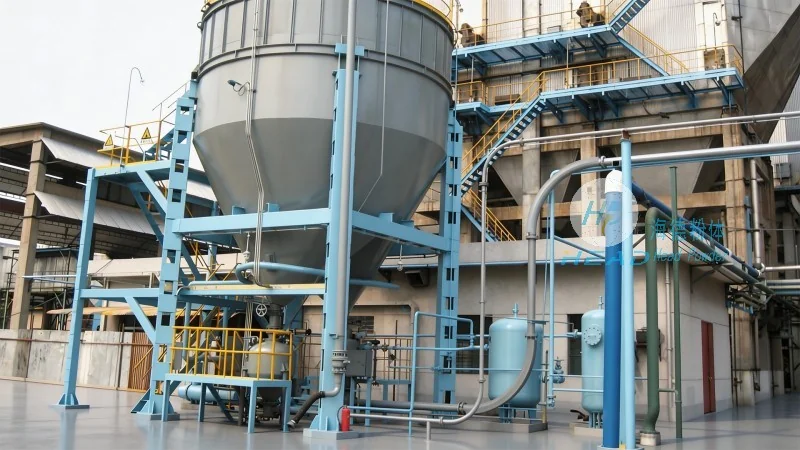
Pressure conveying systems, on the other hand, generate positive pressure by using a blower or compressor to push material through the pipeline. This method is suitable for materials that are heavier, more abrasive, or require higher conveying speeds. The system operates by forcing air and material through the pipeline, often with a pressure of 5 to 10 bar. Pressure conveying is commonly used in applications where the material needs to be transported over longer distances or to higher elevations, as the positive pressure helps maintain the flow and prevent material settling in the pipeline.
Key Features of Food Pneumatic Conveying Systems
Food pneumatic conveying systems offer several key features that make them preferred in the food industry. First, they provide excellent hygiene and cleanliness, as the material is enclosed within a sealed pipeline, minimizing contact with the environment and reducing the risk of contamination. This is particularly important for food products that require strict quality control and compliance with food safety regulations. Second, these systems are highly efficient and can transport materials at high speeds, reducing processing time and increasing overall productivity. The use of air as the conveying medium allows for rapid movement of materials, which is crucial in high-volume food production environments.
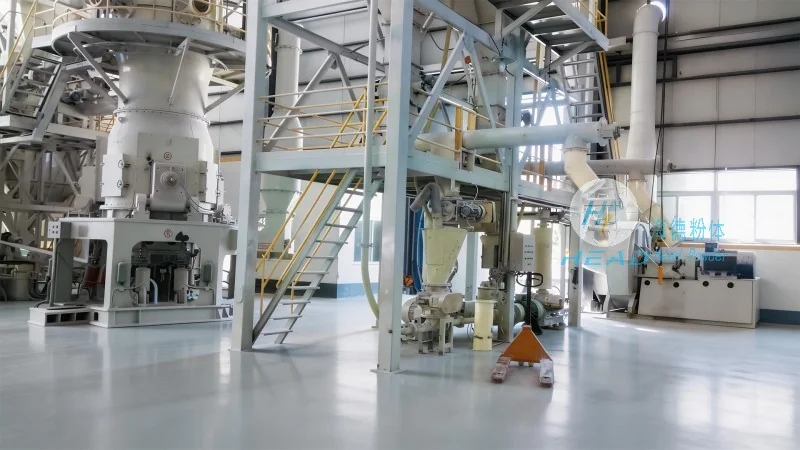
Another significant feature is the ability to handle a wide range of materials, from fine powders to coarse granules, without the need for additional equipment like hoppers or chutes. The flexibility of pneumatic conveying systems allows for easy integration into existing production lines, making them a cost-effective solution for food manufacturers. Additionally, these systems can be designed to handle materials with varying moisture content or temperature, ensuring that the product quality is maintained throughout the conveying process.
Application Ranges of Food Pneumatic Conveying Systems
Food pneumatic conveying systems find applications in various stages of food processing, from raw material handling to final product packaging. In the raw material stage, these systems are used to transport ingredients such as flour, sugar, and spices from storage silos to production lines. This ensures a continuous and hygienic supply of raw materials, reducing downtime and improving operational efficiency.
During the processing stage, pneumatic conveying is used to move intermediate products, such as ground or blended ingredients, between different processing units. For example, in the production of baked goods, the system can transport flour and other dry ingredients from a mixing hopper to a baking oven, ensuring consistent mixing and product quality. In the case of dairy products, pneumatic conveying is used to transport powdered milk or other dairy powders from storage to processing equipment, maintaining the product's freshness and preventing moisture absorption.
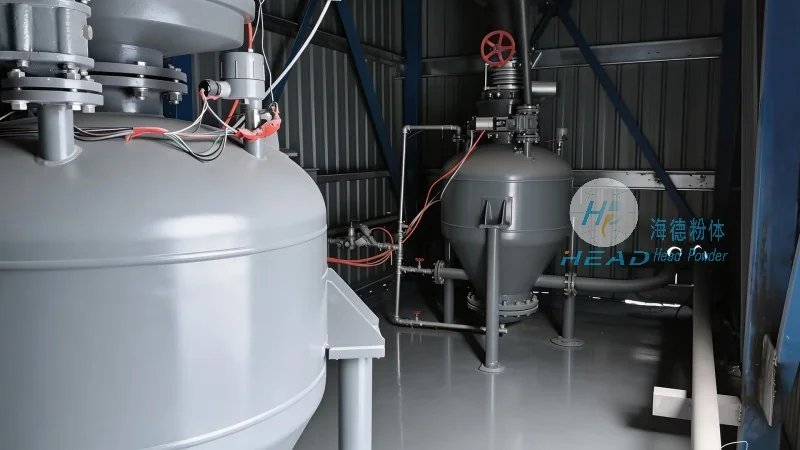
In the final packaging stage, food pneumatic conveying systems are used to transport finished products, such as packaged snacks or cereals, from production lines to packaging machines or storage areas. This ensures that the products are handled gently and efficiently, minimizing damage and maintaining their appearance and quality. The systems can also be integrated with automated packaging lines, allowing for seamless and continuous production.
Conclusion and Company Overview
Food pneumatic conveying systems are a critical component of modern food processing operations, offering efficient, hygienic, and flexible solutions for material handling. Shandong HeadPowder Engineering Co., Ltd., with its expertise in designing and manufacturing customized systems, provides reliable and high-quality solutions tailored to the specific needs of food manufacturers. By leveraging the advantages of pneumatic conveying, food companies can enhance their operational efficiency, maintain product quality, and comply with stringent food safety regulations. As the industry continues to evolve, the demand for advanced and efficient conveying systems will remain high, making it essential for food manufacturers to invest in reliable solutions like those offered by HeadPowder.




