HeadPowder, a leading engineering solutions provider based in Shandong, China, specializes in advanced material handling technologies tailored for the lithium-ion battery industry. A critical aspect of battery production is the efficient and reliable transport of positive electrode materials, which often involves complex powder handling processes. This article provides a detailed comparison of two primary pneumatic conveying methods—positive pressure and negative pressure systems—used in the processing of lithium-ion battery positive electrode materials.
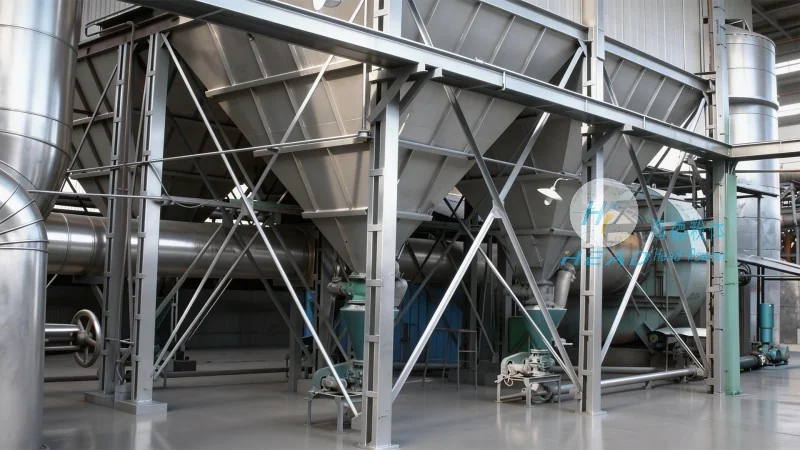
Understanding Pneumatic Conveying Systems in Battery Material Handling
Pneumatic conveying is a vital technique for transporting bulk materials like lithium battery positive electrode powders, which are typically fine and sensitive. The choice between positive pressure and negative pressure systems depends on several factors, including material properties, system design, and operational requirements. Both methods utilize air as the conveying medium, but they differ significantly in how they generate the necessary pressure differential to move the material.
Positive Pressure Pneumatic Conveying: Principles and Applications
Positive pressure systems operate by blowing air into the conveying line, creating a pressure higher than the ambient environment. This pressurized air propels the material forward through the pipeline. For lithium battery positive electrode materials, positive pressure conveying is often preferred when dealing with materials that are prone to dusting or require gentle handling. The system can be designed with multiple inlets and outlets, allowing for complex material routing and blending. HeadPowder’s engineering expertise ensures that positive pressure systems are optimized for the specific characteristics of battery electrode powders, such as particle size distribution and moisture content. This approach minimizes material degradation and ensures consistent product quality.
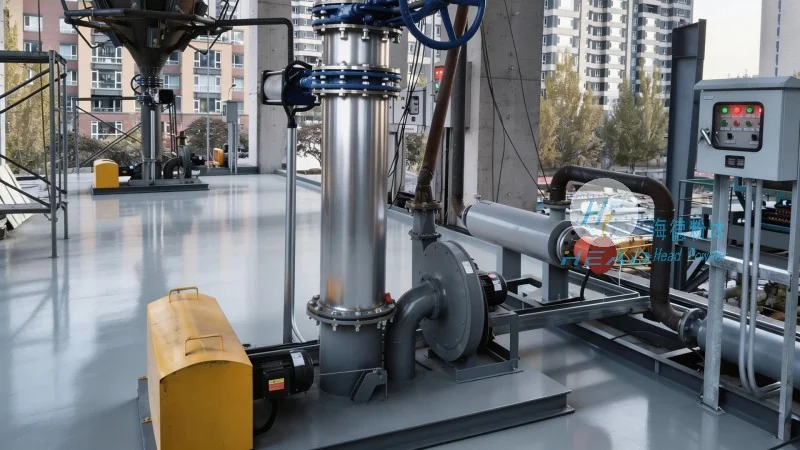
Negative Pressure Pneumatic Conveying: Principles and Applications
Negative pressure systems, conversely, create a vacuum in the conveying line, drawing material into the system from the source. The material is then carried by the air flow towards the destination. This method is particularly suitable for applications where dust control is a priority, as the system draws material into a sealed environment, reducing airborne particulates. Negative pressure conveying is often used in environments where material containment and environmental regulations are stringent. However, it may be less efficient for handling large volumes of material compared to positive pressure systems, as the vacuum can limit the flow rate. HeadPowder’s solutions for negative pressure conveying are designed to maintain high material transfer rates while ensuring compliance with industrial safety and environmental standards.
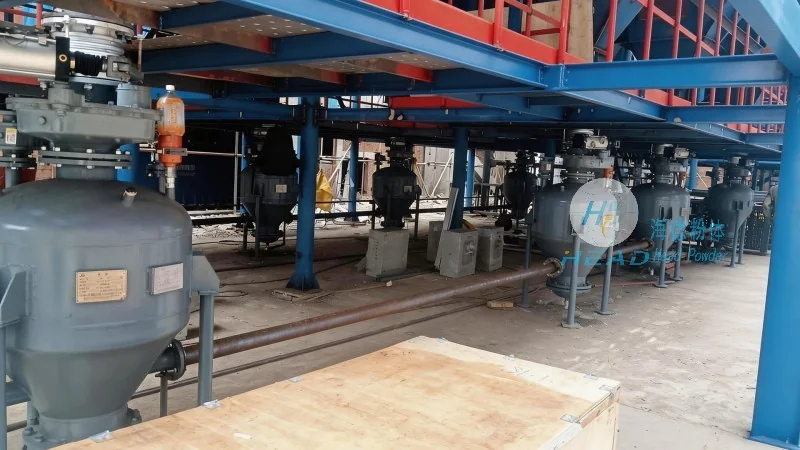
Key Performance Metrics: Comparing Positive and Negative Pressure Systems
When evaluating pneumatic conveying systems for lithium-ion battery positive electrode materials, several performance metrics are critical. These include material flow rate, system efficiency, energy consumption, and material degradation. Positive pressure systems generally offer higher flow rates and are more energy-efficient for large-scale operations, making them ideal for high-throughput battery production lines. Negative pressure systems, while effective for dust control, may require more energy to maintain the vacuum and can be less efficient for high-volume transport. Additionally, the choice of system impacts material handling costs and operational flexibility. HeadPowder’s engineers conduct thorough analyses of these metrics to recommend the most suitable system for each client’s specific needs, balancing performance with cost-effectiveness.
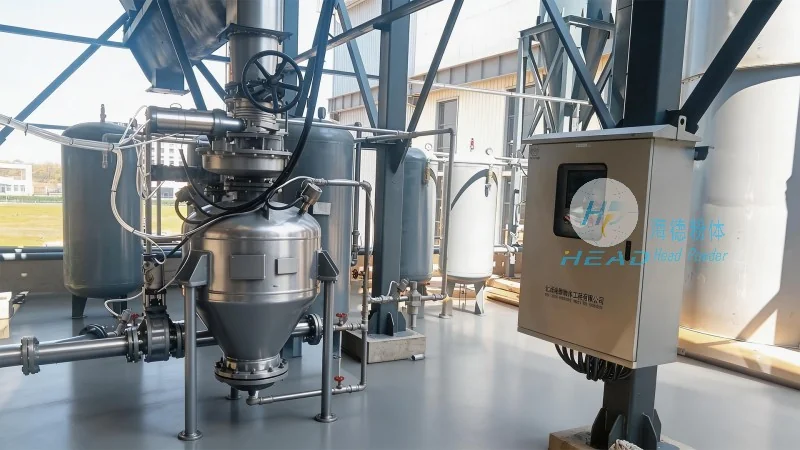
Material Handling Challenges and Solutions
Lithium battery positive electrode materials present unique challenges in material handling due to their fine particle size, hygroscopic nature, and potential for electrostatic discharge. Both positive and negative pressure systems must be designed to mitigate these challenges. For example, positive pressure systems may incorporate anti-static measures and moisture control to prevent material agglomeration or degradation. Negative pressure systems, on the other hand, may use filtration systems to capture fine particles and prevent contamination. HeadPowder’s solutions address these challenges through advanced engineering, ensuring that the material remains in optimal condition throughout the conveying process. This is crucial for maintaining the performance and stability of the final battery products.
Conclusion: Selecting the Right Pneumatic Conveying System
The selection between positive pressure and negative pressure pneumatic conveying for lithium-ion battery positive electrode materials depends on a combination of operational, material, and environmental factors. Positive pressure systems offer advantages in terms of flow rate and energy efficiency, making them suitable for high-volume production. Negative pressure systems excel in dust control and material containment, which is critical for compliance and safety. HeadPowder, with its headquarters in Shandong, China, provides comprehensive engineering services to help clients choose and implement the most appropriate system for their battery production needs. By leveraging our expertise in material handling technologies, we ensure that the transport of lithium battery positive electrode materials is efficient, reliable, and aligned with industry standards.




